Bad Livers

Country
Bluegrass
Newgrass
 Viberate Rank: 268550
 Viberate Rank: 268550
 Monthly ListenersFollowers
 Subscribers
 Followers
 Followers
 FansTop Spotify Songs
| Track | 7-Day Streams | |
|---|---|---|
1 | 1.65K | |
2 | 1.51K | |
3 | 868 | |
4 | 277 | |
5 | 202 |
Top YouTube VideosMonthly ListenersFeatured in Playlists| Playlist | Followers | |
|---|---|---|
1 |  True Blood Sountrack Seasons 1 – 7 Carolyn Hall | 32.16K |
2 |  Billy Strings: Covers legginbass13 | 6.81K |
3 | rockabilly southern hillbilly americana bluegrass blues rocknroll Maurice Oomen | 3.77K |
4 |  Clegg's Choice Nuggs John Taylor | 3.69K |
5 |  Murder-Suicide Ballads exterminans83 | 2.92K |
Audience| City | Monthly Listeners | |
|---|---|---|
1 | | 267 |
2 | | 208 |
3 | | 183 |
4 | | 159 |
5 | | 143 |
See full performance history, audience data, playlist activity, rankings, comparisons, and more in Viberate music analytics. Start with a free trial, then continue with a paid plan.
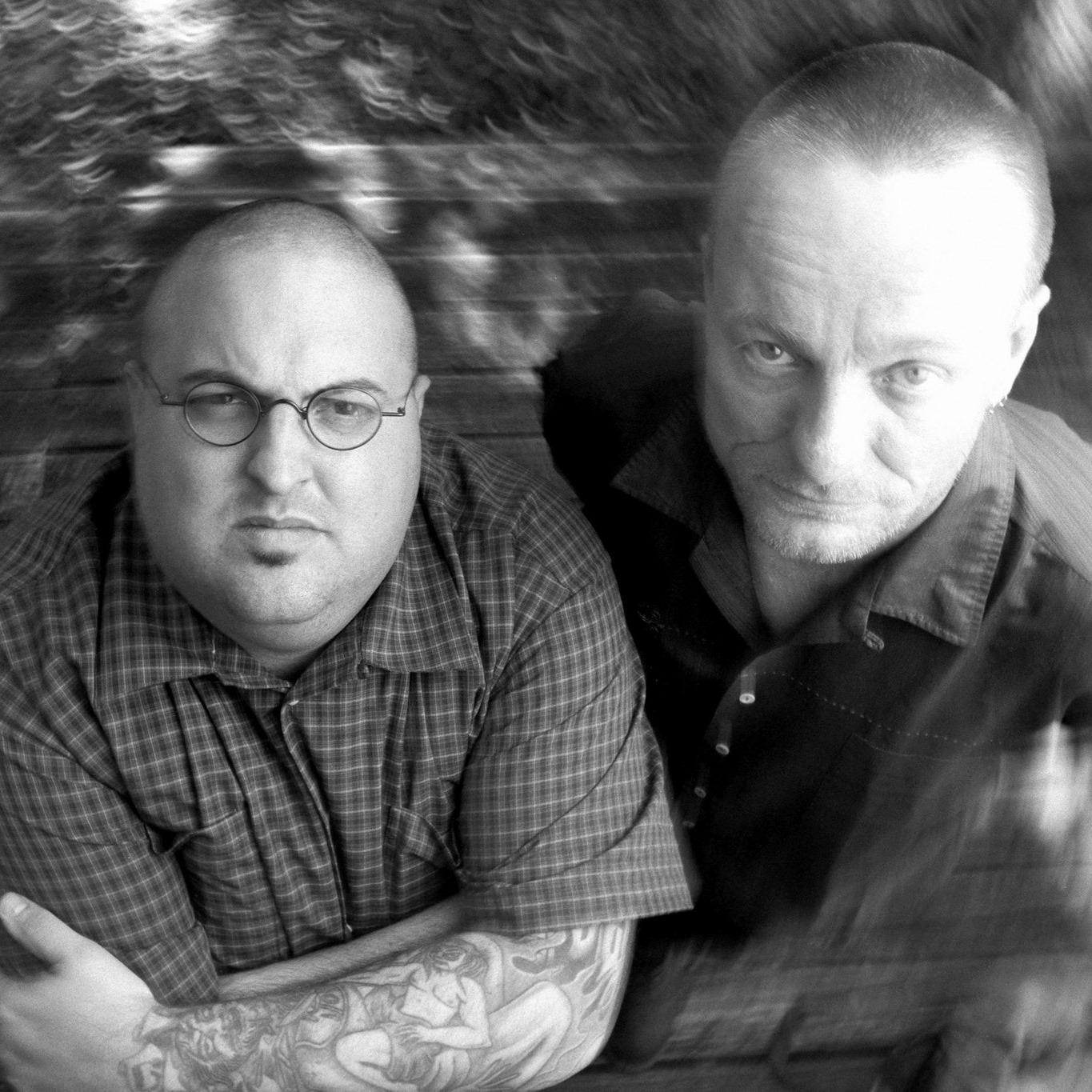
Bad Livers’ Spotify BioThe clubs of Austin, TX, proved to be fertile ground in the 1990s for bands with eclectic musical influences, but the Bad Livers may have been the least-categorizable ensemble of all. The trio's recorded songs ran the gamut from traditional folk and bluegrass to blues, early rock & roll, punk rock, and eventually even trance music. At the height of their long touring career it was possible to hear music by the Carter Family, Iggy Pop, Monk, Mississippi John Hurt, the Misfits, and Slayer, all in the course of one concert set. They tapped into a base of music fans who could appreciate a mongrelized music, but the later stages of their career showed that "Americana" could be a musical category as confining as any other; the band's increasingly experimental outlook resonated only intermittently with the preferences of fans of traditional music. The Bad Livers' instrumentation was unique within the pop/rock realm: lead singer Danny Barnes played banjo, guitar, and resonator guitar; Mark… Rubin played bass and tuba; and in late 1996 the two were joined by Bob Grant on mandolin, guitar, and tenor banjo. Grant replaced Ralph White, who played fiddle and Cajun and Mexican accordion with the trio.
Both Rubin and Barnes grew up with bluegrass music, and that genre label was as apt for the Bad Livers as was any other. Rubin, raised in rural Oklahoma, began playing tuba as a youngster and continued his studies into high school, when he also began playing bass. Rubin also heard klezmer music in his youth, and the soundprint of the klezmer band would become audible in the music of the Bad Livers. The group was formed in 1990, right after Rubin had attended the New Music Seminar in New York and was inspired to put together his own band; it coalesced with an ad hoc Danny Barnes Trio, which actually consisted of Barnes plus whatever other musicians he was able to raise on the phone on any given evening.
The Bad Livers gained widespread attention from Austin clubgoers in 1991 and became the sensation of the SXSW music conference the following year. They signed with the Chicago-based Touch & Go label, releasing Delusions of Banjer (1992) and Horses in the Mines (1994). Another recording, Dust on the Bible, was originally sold on cassette at the trio's live shows and was later issued on CD by Touch & Go under its Quarterstick imprint; it was a collection of bluegrass-gospel standards that showed that the group could play it straight when they so desired. The Bad Livers moved to the North Carolina-based Sugar Hill label for Hogs on the Highway (1997) and 1998's Industry and Thrift, the latter album produced by longtime Texas music gadfly Lloyd Maines. Each subsequent release broadened the trio's musical range, and Blood and Mood, which appeared in early 2000, was an unclassifiable mixture of bluegrass, punk, sampling of various kinds, and other electronic techniques. The album was alternately hailed as a masterpiece and denounced as the final step in a long betrayal of traditional bluegrass; the group's website dryly noted that it was "to date the worst selling title in the catalog." By that time Barnes and Rubin had both become involved with solo projects of their own; Rubin was the music supervisor for Richard Linklater's film The Newton Boys, and Barnes, who had moved to Washington state, had composed music for the Seattle Symphony Orchestra. After Blood and Mood, though the Bad Livers never officially dissolved, the individual members' solo projects took precedence. Barnes released several left-of-center banjo albums somewhat reminiscent of the Bad Livers' early material, while Rubin remained a fixture of the Austin live-music and recording scene. ~ James Manheim, Rovi
Viberate is a music analytics platform built for A&Rs, artist managers, labels, booking agents, marketers, and artists.
It helps music professionals track artist growth, analyze audience data, monitor playlist activity, compare artists, follow song performance, and identify opportunities across the music market.
Public artist pages provide a free preview of selected artist data. Paid plans provide access to deeper analytics, historical data, charts, comparisons, playlist tools, exports, alerts, reports, and additional professional features.
Yes. Public Viberate artist pages provide selected artist analytics and music data for free.
Viberate also offers a 7-day free trial of the full platform. A credit card is required to start the trial. The trial includes access to the complete product so users can test deeper artist analytics, historical views, playlist insights, comparisons, charts, exports, alerts, and reporting features before choosing a paid plan.
Viberate provides artist analytics across streaming, playlists, social media, video, radio airplay, songs, and audience markets.
Users can analyze Spotify performance, Spotify and Apple Music playlists, YouTube activity, TikTok and Instagram growth, radio spins, song performance, audience locations, demographics, rankings, and overall artist momentum.
Artist profiles also connect to music charts, similar artists, and comparison tools, helping users benchmark performance and evaluate artists in context.
Viberate updates key artist and track data daily.
For followed artists and tracks, selected data is refreshed multiple times per day. This helps teams monitor playlist changes, streaming movement, audience growth, releases, and campaign performance with more current data.
Update frequency can vary depending on the metric and data source.
Yes. Viberate lets users compare up to five artists side by side across streaming, social media, audience, and engagement metrics.
Users can compare fanbase growth, audience demographics, locations, Spotify performance, social metrics, and other artist data over selected time periods.
Artist comparison can be used for A&R scouting, benchmarking, booking decisions, campaign planning, and evaluating artists with similar audiences or market positions.