BackWordz

Metal
Alternative Metal
Rap Metal
Metalcore/Deathcore
 Viberate Rank: 127217
 Viberate Rank: 127217
 Monthly ListenersFollowers
 Subscribers
 Followers
 Followers
 FansTop Spotify Songs
| Track | 7-Day Streams | |
|---|---|---|
1 | 4.58K | |
2 | 1.47K | |
3 | 774 | |
4 | 561 | |
5 | 561 |
Top YouTube VideosMonthly ListenersFeatured in Playlists| Playlist | Followers | |
|---|---|---|
1 | Pop Go Punk 1-7 justchuck88 | 34.53K |
2 |  WRMFZY BEATS wrmfzy | 18.79K |
3 | Bible of Nu-Metal/alternatif Grunt | 15.47K |
4 | Djent E | 14.29K |
5 |  MAKEOVER // the scene goes mainstream Jesea Lee | 13.67K |
Audience| City | Monthly Listeners | |
|---|---|---|
1 | | 243 |
2 |  | 238 |
3 | | 204 |
4 | | 197 |
5 | | 196 |
See full performance history, audience data, playlist activity, rankings, comparisons, and more in Viberate music analytics. Start with a free trial, then continue with a paid plan.
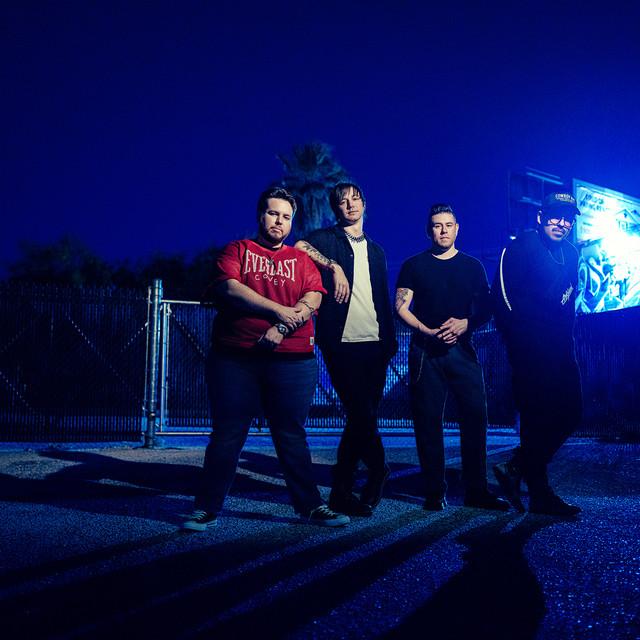
BackWordz’s Spotify BioHip-hop-influenced metal quintet BackWordz inject their politicized messages through music influenced as much by Nas and Lauryn Hill as Korn and Pantera. Fronted by frontman Eric Dewayne July, the Texas-based band is rounded out by bassist/vocalist Alex James, drummer Robbie Rosales, and guitarists Kevin Kerestes and Brian Bradley. The band formed in late 2014 after July parted ways with the group Fire from the Gods. He was introduced to James, Rosales, Kerestes, and Bradley and, finding they had a similar vision, they started BackWordz. An outspoken Christian Anarcho-Capitalist Libertarian, July delivers his intense viewpoints with a mix of rapping and screaming, while James provides harmonic backing over the band's sharp riffs and pummeling drums. Their debut LP, Veracity (partnering with Stay Sick Records), arrived in 2017. It charted on the alternative, rock, and rap charts, climbing to number two on the Billboard Heatseekers chart upon release. ~ Neil Z. Yeung, Rovi
Viberate is a music analytics platform built for A&Rs, artist managers, labels, booking agents, marketers, and artists.
It helps music professionals track artist growth, analyze audience data, monitor playlist activity, compare artists, follow song performance, and identify opportunities across the music market.
Public artist pages provide a free preview of selected artist data. Paid plans provide access to deeper analytics, historical data, charts, comparisons, playlist tools, exports, alerts, reports, and additional professional features.
Yes. Public Viberate artist pages provide selected artist analytics and music data for free.
Viberate also offers a 7-day free trial of the full platform. A credit card is required to start the trial. The trial includes access to the complete product so users can test deeper artist analytics, historical views, playlist insights, comparisons, charts, exports, alerts, and reporting features before choosing a paid plan.
Viberate provides artist analytics across streaming, playlists, social media, video, radio airplay, songs, and audience markets.
Users can analyze Spotify performance, Spotify and Apple Music playlists, YouTube activity, TikTok and Instagram growth, radio spins, song performance, audience locations, demographics, rankings, and overall artist momentum.
Artist profiles also connect to music charts, similar artists, and comparison tools, helping users benchmark performance and evaluate artists in context.
Viberate updates key artist and track data daily.
For followed artists and tracks, selected data is refreshed multiple times per day. This helps teams monitor playlist changes, streaming movement, audience growth, releases, and campaign performance with more current data.
Update frequency can vary depending on the metric and data source.
Yes. Viberate lets users compare up to five artists side by side across streaming, social media, audience, and engagement metrics.
Users can compare fanbase growth, audience demographics, locations, Spotify performance, social metrics, and other artist data over selected time periods.
Artist comparison can be used for A&R scouting, benchmarking, booking decisions, campaign planning, and evaluating artists with similar audiences or market positions.