Back On Earth

Punk
Pop Punk
Pop Rock
 Viberate Rank: 269916
 Viberate Rank: 269916
 Monthly ListenersFollowers
 Subscribers
 Followers
 Followers
 FansTop Spotify Songs
| Track | 7-Day Streams | |
|---|---|---|
1 | 17 | |
2 | 14 | |
3 | 14 | |
4 | 11 | |
5 | 8 |
Top YouTube VideosMonthly ListenersFeatured in Playlists| Playlist | Followers | |
|---|---|---|
1 |  INDIE 505 INDIE 505 | 41.53K |
2 |  New Rock Tracks Frozen-Heart-Music | 7.08K |
3 |  ~Rock Out~ Shroopy | 6.54K |
4 |  Alt Rock / Pop Rock Bangers heylifeofficial | 5.12K |
5 |  All New Pop Punk 2026 (PUNKERS HUB) PUNKLOID | 4.74K |
Audience| City | Monthly Listeners | |
|---|---|---|
1 |  | 5 |
2 | | 4 |
3 |  | 4 |
4 |  | 3 |
5 | | 3 |
See full performance history, audience data, playlist activity, rankings, comparisons, and more in Viberate music analytics. Start with a free trial, then continue with a paid plan.
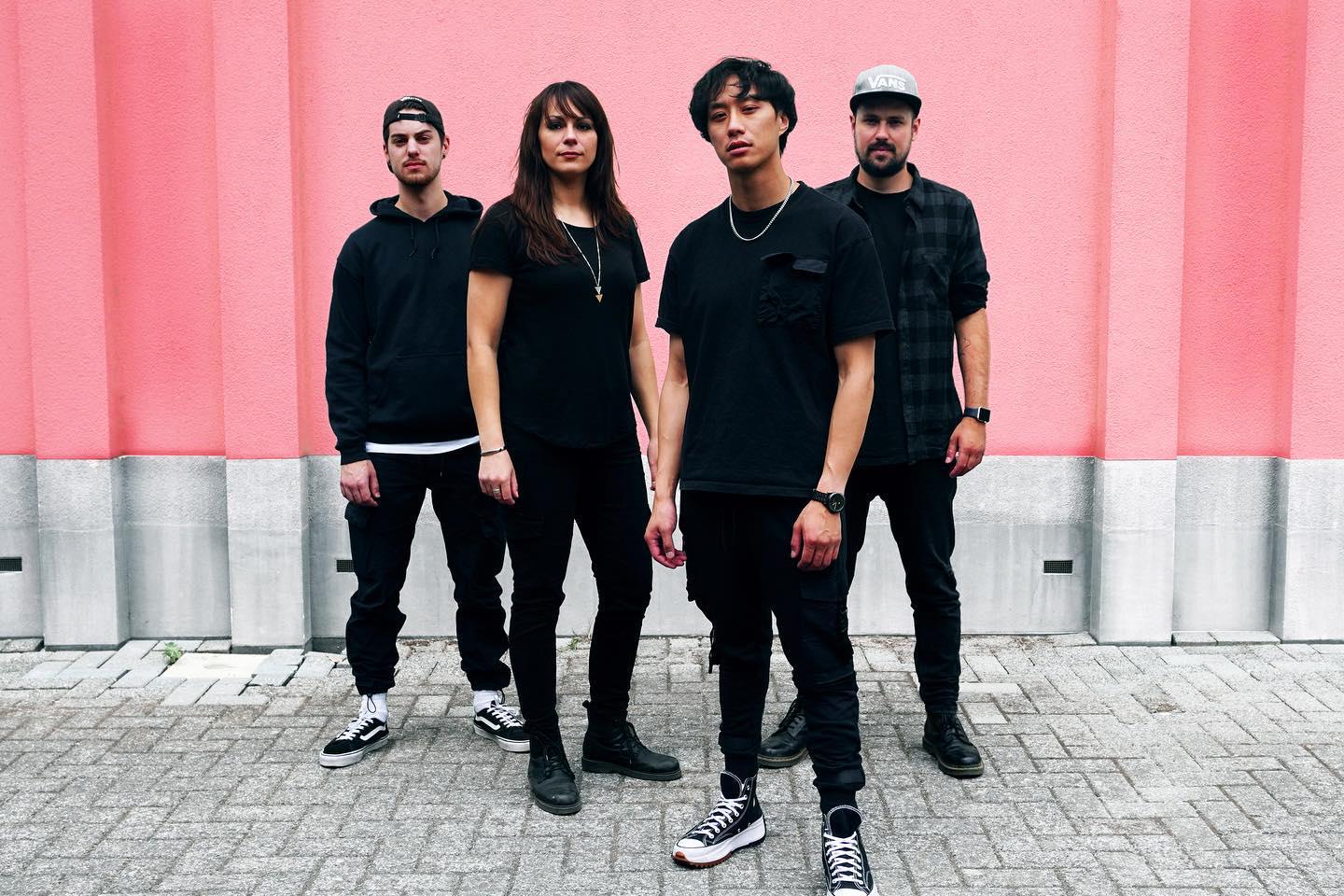
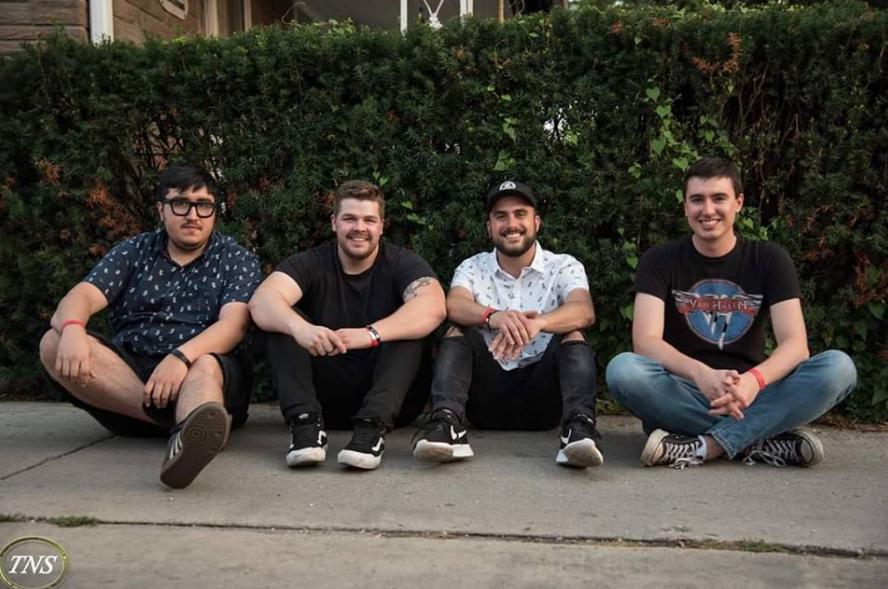
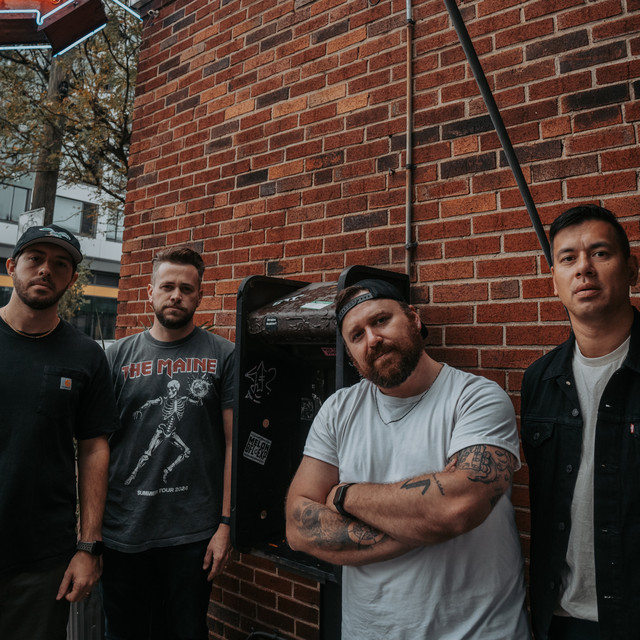
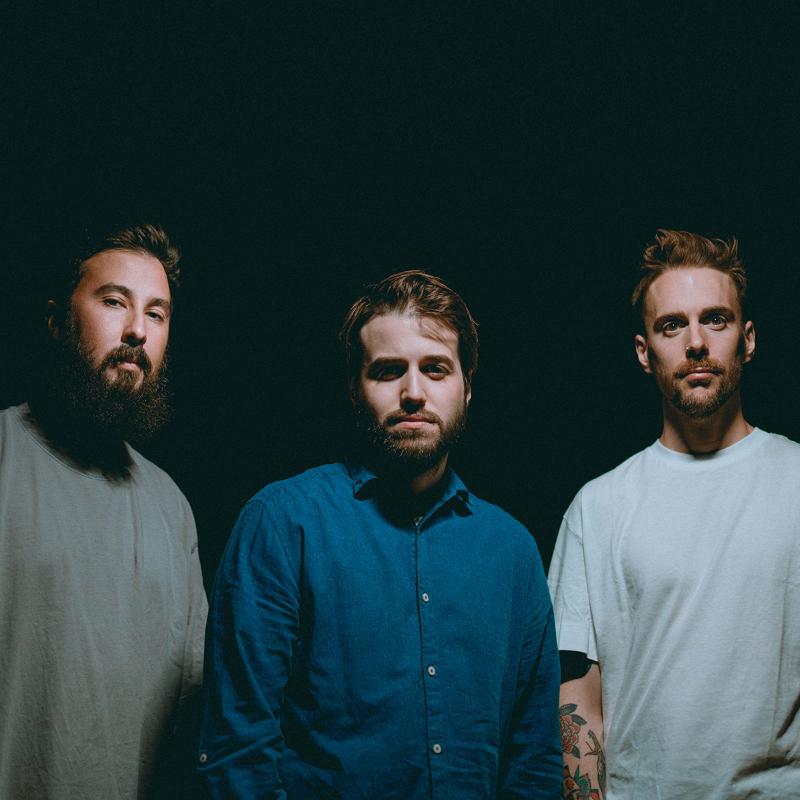
Back On Earth’s Spotify BioAs an integral part of the pop-punk and alternative scene in France since 2009, Back On Earth has released 5 EPs, on which the trio has demonstrated the full range of its influences.
If the term "emo" undoubtedly brings back memories of our teenage years, Back On Earth has taken care to focus its sounds on nostalgic compositions specific to this genre. Both powerful and melodic, the songs are true anthems, which do not fail to make you wander in an atmosphere combining spleen, nostalgia but always with an ounce of hope.
In the last few years, the band has also managed to surround itself nicely, collaborating with AJ Perdomo from The Dangerous Summer, Beau Burchell from Saosin or Bertrand Poncet from Chunk! No Captain Chunk!.
But it's also on stage that magic happens, and you've probably had the opportunity to discover them during their headlining shows, but also as opening acts for bands such as Turnover, and Motion City Soundtrack.
More inspired than ever, Back On Earth are back in force… with new pop-punk compositions, to be discovered in studio and live in 2024.
Viberate is a music analytics platform built for A&Rs, artist managers, labels, booking agents, marketers, and artists.
It helps music professionals track artist growth, analyze audience data, monitor playlist activity, compare artists, follow song performance, and identify opportunities across the music market.
Public artist pages provide a free preview of selected artist data. Paid plans provide access to deeper analytics, historical data, charts, comparisons, playlist tools, exports, alerts, reports, and additional professional features.
Yes. Public Viberate artist pages provide selected artist analytics and music data for free.
Viberate also offers a 7-day free trial of the full platform. A credit card is required to start the trial. The trial includes access to the complete product so users can test deeper artist analytics, historical views, playlist insights, comparisons, charts, exports, alerts, and reporting features before choosing a paid plan.
Viberate provides artist analytics across streaming, playlists, social media, video, radio airplay, songs, and audience markets.
Users can analyze Spotify performance, Spotify and Apple Music playlists, YouTube activity, TikTok and Instagram growth, radio spins, song performance, audience locations, demographics, rankings, and overall artist momentum.
Artist profiles also connect to music charts, similar artists, and comparison tools, helping users benchmark performance and evaluate artists in context.
Viberate updates key artist and track data daily.
For followed artists and tracks, selected data is refreshed multiple times per day. This helps teams monitor playlist changes, streaming movement, audience growth, releases, and campaign performance with more current data.
Update frequency can vary depending on the metric and data source.
Yes. Viberate lets users compare up to five artists side by side across streaming, social media, audience, and engagement metrics.
Users can compare fanbase growth, audience demographics, locations, Spotify performance, social metrics, and other artist data over selected time periods.
Artist comparison can be used for A&R scouting, benchmarking, booking decisions, campaign planning, and evaluating artists with similar audiences or market positions.