Bachdenkel

Rock
Psychedelic Rock
Progressive Rock
 Viberate Rank: 508292
 Viberate Rank: 508292
 Monthly ListenersFollowers
 Subscribers
 Followers
 Followers
 FansTop Spotify Songs
| Track | 7-Day Streams | |
|---|---|---|
1 | 54 | |
2 | 40 | |
3 | 39 | |
4 | 26 | |
5 | 19 |
Top YouTube VideosMonthly ListenersFeatured in Playlists| Playlist | Followers | |
|---|---|---|
1 | Best of Progressive Rock Niels N. | 51.41K |
2 |  70s Proto-Metal, Heavy Psych & Obscure Hard Rock Jordan Edrei | 11.27K |
3 |  Krautrock / Psych / Prog / Electronic / Avant Garde Daniel Georgsson | 5.78K |
4 |  Heavy Blues Psych Prog 70's Leif Dackfelt | 1.84K |
5 | Sunshine Pop Psych Era Motokuni Kiyomiya | 1.76K |
Audience| City | Monthly Listeners | |
|---|---|---|
1 |  | 7 |
2 |  | 7 |
3 |  | 7 |
4 | | 6 |
5 |  | 6 |
See full performance history, audience data, playlist activity, rankings, comparisons, and more in Viberate music analytics. Start with a free trial, then continue with a paid plan.
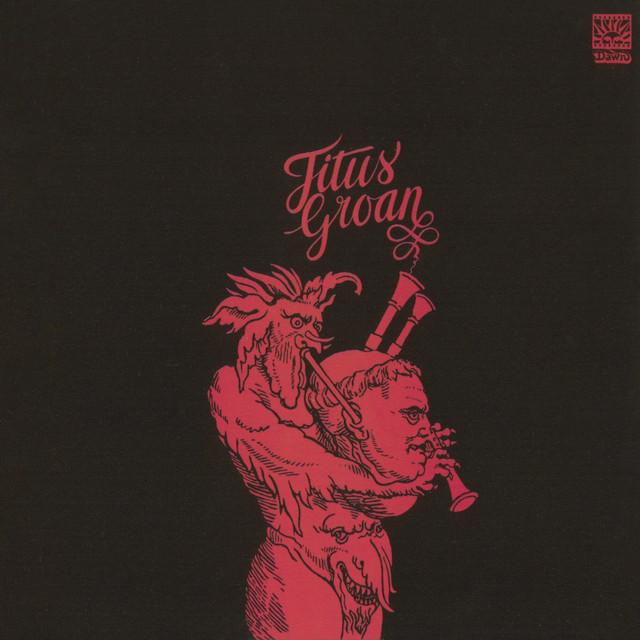
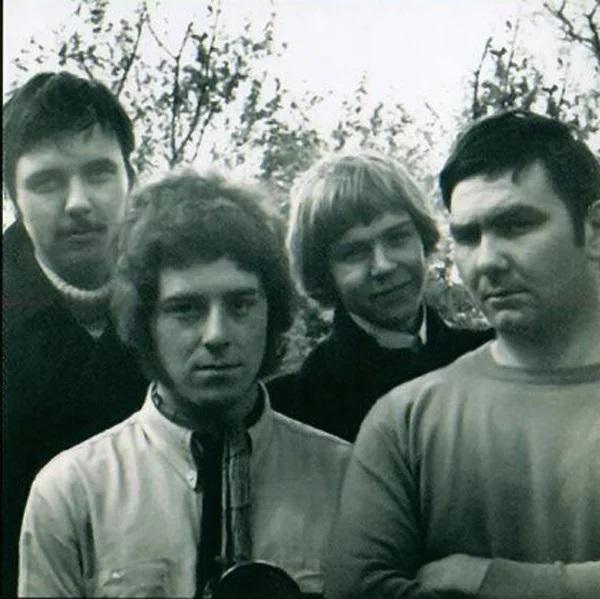
Bachdenkel’s Spotify BioBirmingham, England's Bachdenkel recorded just two albums in their nearly decade-spanning run during the late '60s and most of the '70s, landing on a sound that was complex enough to qualify as prog but still had flashes of melody and powerful hard rock chops. The band broke up in 1977 but were long championed as a lost gem of the psychedelic scene of their time, and their two studio albums were filled out with demos, live performances, and other previously unreleased material on 2022 anthology collection Rise and Fall.
The origins of Bachdenkel began in 1967, when guitarist/vocalist/bandleader Colin Swinburne and bassist Peter Kimberley formed the band The U (Don't) No Who (sometimes known as U No Who) with several other musicians. This band eventually morphed into Bachdenkel when drummer Brian Smith came on board and everyone but Kimberley and Swinburne dropped out. With engineer/additional musician Karel Beer, the group relocated to Paris, where they began developing a sound that… eventually evolved from the pop-adjacent hippie psychedelia of the time into a more progressive rock style. The band's debut album, Lemmings, was recorded in 1970 but didn't see proper release until 1973. Second album Stalingrad arrived in 1977 and was even more of a departure from pop into complex and sometimes almost symphonic prog. The group split after the release of their second album, and as time went on, their music was rediscovered by fans seeking out obscure prog and psychedelic sounds. In 2022, the Grapefruit label released Rise and Fall, a compilation that included both studio albums and various other tracks dating as far back as 1967 demos from U No Who. ~ Fred Thomas, Rovi
Viberate is a music analytics platform built for A&Rs, artist managers, labels, booking agents, marketers, and artists.
It helps music professionals track artist growth, analyze audience data, monitor playlist activity, compare artists, follow song performance, and identify opportunities across the music market.
Public artist pages provide a free preview of selected artist data. Paid plans provide access to deeper analytics, historical data, charts, comparisons, playlist tools, exports, alerts, reports, and additional professional features.
Yes. Public Viberate artist pages provide selected artist analytics and music data for free.
Viberate also offers a 7-day free trial of the full platform. A credit card is required to start the trial. The trial includes access to the complete product so users can test deeper artist analytics, historical views, playlist insights, comparisons, charts, exports, alerts, and reporting features before choosing a paid plan.
Viberate provides artist analytics across streaming, playlists, social media, video, radio airplay, songs, and audience markets.
Users can analyze Spotify performance, Spotify and Apple Music playlists, YouTube activity, TikTok and Instagram growth, radio spins, song performance, audience locations, demographics, rankings, and overall artist momentum.
Artist profiles also connect to music charts, similar artists, and comparison tools, helping users benchmark performance and evaluate artists in context.
Viberate updates key artist and track data daily.
For followed artists and tracks, selected data is refreshed multiple times per day. This helps teams monitor playlist changes, streaming movement, audience growth, releases, and campaign performance with more current data.
Update frequency can vary depending on the metric and data source.
Yes. Viberate lets users compare up to five artists side by side across streaming, social media, audience, and engagement metrics.
Users can compare fanbase growth, audience demographics, locations, Spotify performance, social metrics, and other artist data over selected time periods.
Artist comparison can be used for A&R scouting, benchmarking, booking decisions, campaign planning, and evaluating artists with similar audiences or market positions.