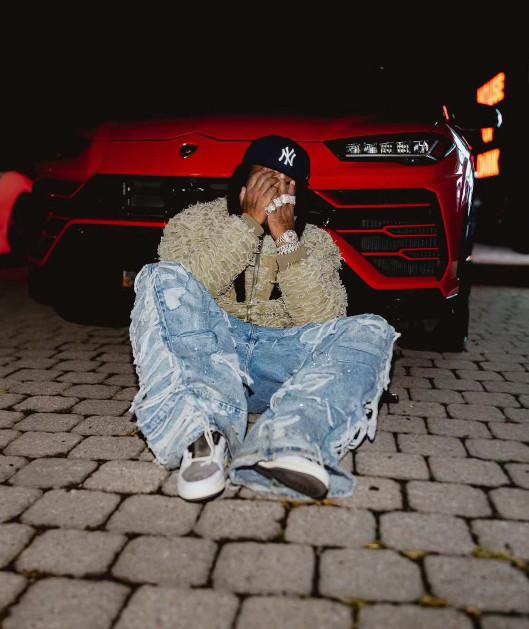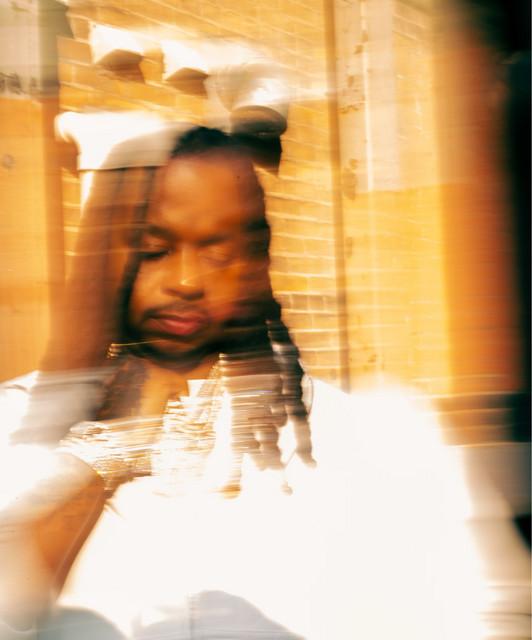
Babyface Ray

Hip Hop
Contemporary Hip Hop
Alternative Hip Hop
 Viberate Rank: 4571
 Viberate Rank: 4571
 Monthly ListenersFollowers
 Subscribers
 Followers
 Followers
 FansTop Spotify Songs
| Track | 7-Day Streams | |
|---|---|---|
1 | 316.82K | |
2 | 258.57K | |
3 | 242.72K | |
4 | 176.57K | |
5 | 141.01K |
Top YouTube Videos| Video | 7-Day Views | |
|---|---|---|
1 | 306.16K | |
2 | 216.94K | |
3 | 168.21K | |
4 | 136.67K | |
5 | 83.45K |
Monthly ListenersFeatured in Playlists| Playlist | Followers | |
|---|---|---|
1 |  Get Turnt Spotify | 6.45M |
2 |  No Cap Spotify | 1.27M |
3 |  66 GREENE _BY.ALEXANDER | 395.68K |
4 |  COLORS - ALL SHOWS COLORSxSTUDIOS | 350.14K |
5 |  Bad Bitch Energy 💋✨💅💄 Nicole Kidman Vibes, Housewife Stormy Chocada | 337.20K |
Audience| City | Monthly Listeners | |
|---|---|---|
1 | | 87.09K |
2 | | 86.37K |
3 | | 67.73K |
4 | | 57.63K |
5 | | 55.39K |
See full performance history, audience data, playlist activity, rankings, comparisons, and more in Viberate music analytics. Start with a free trial, then continue with a paid plan.
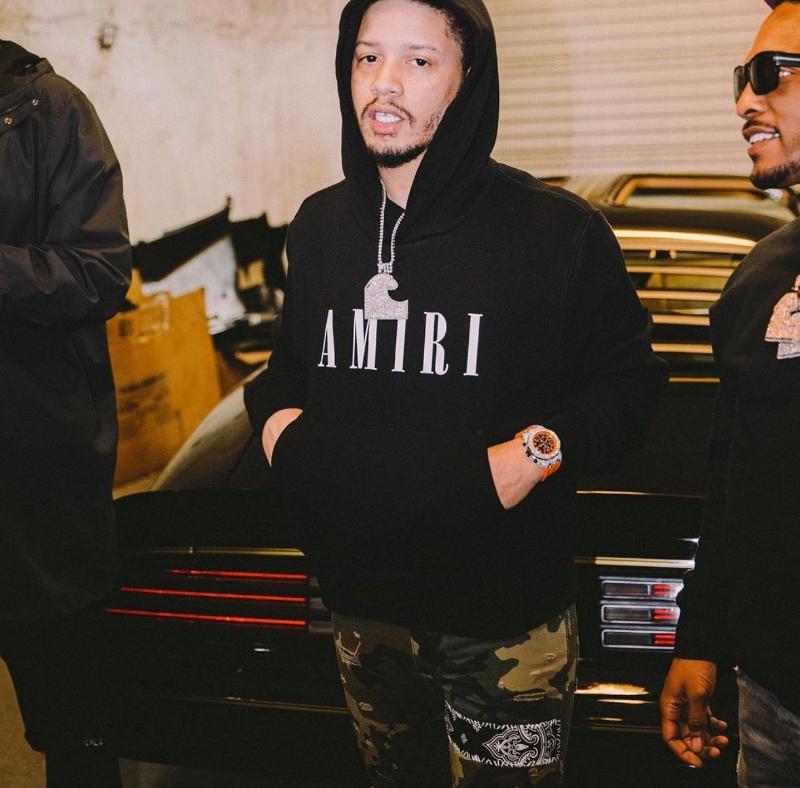
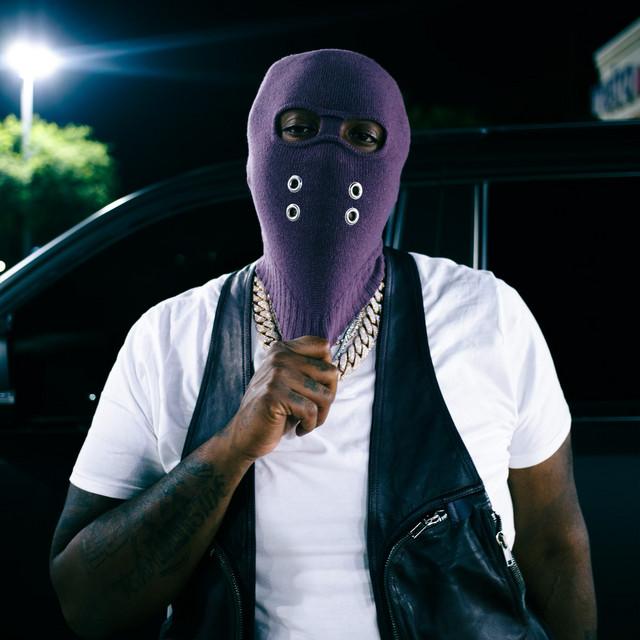
Babyface Ray’s Spotify BioDetroit-based rapper Marcellus Register (aka Babyface Ray) is known for his prolific output, his dedication to the Detroit scene, and his slice-of-life lyrics. After multiple mixtape releases, he reached a new level of exposure with his 2021 Billboard-charting EP Unfuckwitable, marked by guest features from Kash Doll, Moneybagg Yo, and EST Gee. Two full-lengths, Face and MOB, appeared in 2022, and were quickly followed by Summer's Mine in 2023; all charted in the top half of the Billboard 200. He released the full-length The Kid That Did in 2024.
Register joined Team Eastside straight out of high school alongside Peezy, kick-starting a near-constant outpouring of music in 2014. However, it wasn't until his 2015 mixtape MIA Season that he broke through and found his audience. In subsequent years, Babyface Ray would release numerous projects, including 2017's Ghetto Wave and 2019's MIA Season 2, all of which cemented him as a Detroit rap staple. As the scene began to expand, his reach… extended outside of his home city, marked by the increased attention he received from his Unfuckwitable EP, which reached the Billboard 200 in 2021. Ray delivered an expanded version of the EP later that year and issued additional singles like "A Million Cash Race," "What the Business Is," and "It Ain't My Fault" with Big Sean and Hit-Boy. In 2022, he released a 20-track full-length, Face, which featured the likes of Pusha T, 42 Dugg, and G Herbo. It landed at number 31 on the Billboard 200. A deluxe edition adding eight tracks, followed, along with the French Montana collaboration "Drive By," "Anotha One," and "Goofies" (featuring Digga D). MOB, Ray's second full-length of the year, appeared in December, reaching number 54 on the Billboard 200. Several singles, including "Ron Artest" (with 42 Dugg) and "Donda Bag," preceded the July 2023 release of Ray's full-length Summer's Mine. Following a few guest appearances, Ray issued the solo track "Green Carpet" in March of 2024. "Money on My Mind," "Understand," "Shy Kid," and other singles followed. The Kid That Did, a full-length featuring guests like BossMan Dlow, Fabolous, and Doughboy Clay, arrived in September. ~ Liam Martin, Rovi
Viberate is a music analytics platform built for A&Rs, artist managers, labels, booking agents, marketers, and artists.
It helps music professionals track artist growth, analyze audience data, monitor playlist activity, compare artists, follow song performance, and identify opportunities across the music market.
Public artist pages provide a free preview of selected artist data. Paid plans provide access to deeper analytics, historical data, charts, comparisons, playlist tools, exports, alerts, reports, and additional professional features.
Yes. Public Viberate artist pages provide selected artist analytics and music data for free.
Viberate also offers a 7-day free trial of the full platform. A credit card is required to start the trial. The trial includes access to the complete product so users can test deeper artist analytics, historical views, playlist insights, comparisons, charts, exports, alerts, and reporting features before choosing a paid plan.
Viberate provides artist analytics across streaming, playlists, social media, video, radio airplay, songs, and audience markets.
Users can analyze Spotify performance, Spotify and Apple Music playlists, YouTube activity, TikTok and Instagram growth, radio spins, song performance, audience locations, demographics, rankings, and overall artist momentum.
Artist profiles also connect to music charts, similar artists, and comparison tools, helping users benchmark performance and evaluate artists in context.
Viberate updates key artist and track data daily.
For followed artists and tracks, selected data is refreshed multiple times per day. This helps teams monitor playlist changes, streaming movement, audience growth, releases, and campaign performance with more current data.
Update frequency can vary depending on the metric and data source.
Yes. Viberate lets users compare up to five artists side by side across streaming, social media, audience, and engagement metrics.
Users can compare fanbase growth, audience demographics, locations, Spotify performance, social metrics, and other artist data over selected time periods.
Artist comparison can be used for A&R scouting, benchmarking, booking decisions, campaign planning, and evaluating artists with similar audiences or market positions.