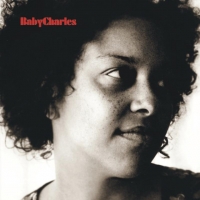
Baby Charles

R&B
Funk
Retro Soul
 Viberate Rank: 235037
 Viberate Rank: 235037
 Monthly ListenersFollowers
 Subscribers
 Followers
 Followers
 FansTop Spotify Songs
| Track | 7-Day Streams | |
|---|---|---|
1 | 5.38K | |
2 | 726 | |
3 | 405 | |
4 | 128 | |
5 | 104 |
Top YouTube VideosMonthly ListenersFeatured in Playlists| Playlist | Followers | |
|---|---|---|
1 |  Classics From 60's, 70's, 80's, 90's & 00's Ric C. Dowen | 73.36K |
2 |  Acid Jazz Funk Kris Leenaers | 17.33K |
3 |  Cocktail Bar Vibe ₮HΣ💿V₳RD₳ | 15.87K |
4 |  Smoking Hot! Funk & Soul Jalapeno Records | 15.08K |
5 | jazz,funk,soul,blues,afrobeat,latin İlker Özalp | 11.48K |
Audience| City | Monthly Listeners | |
|---|---|---|
1 | | 783 |
2 |  | 276 |
3 | | 272 |
4 | | 222 |
5 |  | 178 |
See full performance history, audience data, playlist activity, rankings, comparisons, and more in Viberate music analytics. Start with a free trial, then continue with a paid plan.
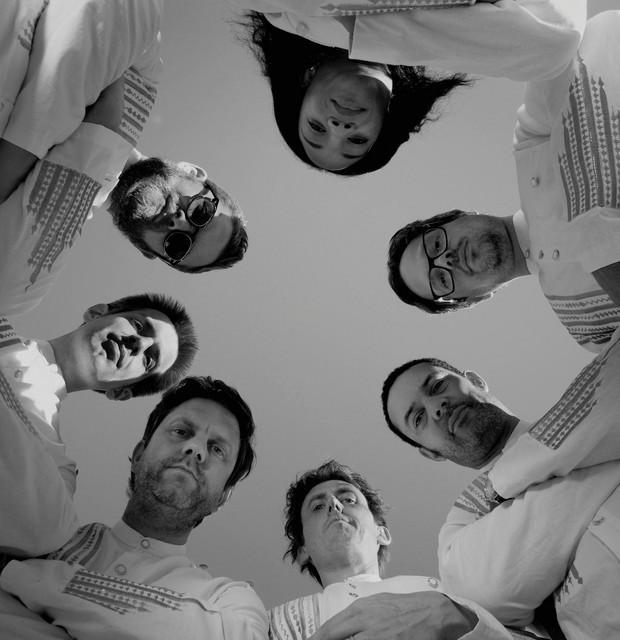
Baby Charles’ Spotify BioFormed in 2001, Baby Charles built up a strong reputation as a compelling live attraction schooled in late-'60s funk before signing to the Milan-based Record Kicks label. Their early singles "No Controlling Me" and "Back of My Hand" were followed by their acclaimed rework of the Arctic Monkeys' "I Bet You Look Good on the Dancefloor" in 2008. By now the Brighton-based ten-piece -- Dionne Charles (vocals), Simon Hill (bass), Alex Kirkwood (drums), Toby Sendall (guitar), Lee Nicklen (organ), Oliver Minkley (percussion), Sigi Beare (saxophones), Natasha Gawlinski (saxophone), Georgina Carrol (flute) and Will Rumfitt (trombone) -- had gotten the attention of the U.K. funk/soul cognoscenti. Their run of heavyweight funk singles and debut self-titled long-player earned plaudits from Gilles Peterson, Snowboy, Keb Darge, Jazzman Gerald, DJ Andy Smith, and Mark LaMarr, with the latter contributing sleeve notes to Baby Charles (2008). Despite the acclaim for their self-produced and largely… self-written opener, however, this was to be Baby Charles' final release with the outfit disbanding in 2010. Former BC players went on to form Beta Hector and retro-R&B outfit Derriere, among others. ~ Matthew Garbutt, Rovi
Viberate is a music analytics platform built for A&Rs, artist managers, labels, booking agents, marketers, and artists.
It helps music professionals track artist growth, analyze audience data, monitor playlist activity, compare artists, follow song performance, and identify opportunities across the music market.
Public artist pages provide a free preview of selected artist data. Paid plans provide access to deeper analytics, historical data, charts, comparisons, playlist tools, exports, alerts, reports, and additional professional features.
Yes. Public Viberate artist pages provide selected artist analytics and music data for free.
Viberate also offers a 7-day free trial of the full platform. A credit card is required to start the trial. The trial includes access to the complete product so users can test deeper artist analytics, historical views, playlist insights, comparisons, charts, exports, alerts, and reporting features before choosing a paid plan.
Viberate provides artist analytics across streaming, playlists, social media, video, radio airplay, songs, and audience markets.
Users can analyze Spotify performance, Spotify and Apple Music playlists, YouTube activity, TikTok and Instagram growth, radio spins, song performance, audience locations, demographics, rankings, and overall artist momentum.
Artist profiles also connect to music charts, similar artists, and comparison tools, helping users benchmark performance and evaluate artists in context.
Viberate updates key artist and track data daily.
For followed artists and tracks, selected data is refreshed multiple times per day. This helps teams monitor playlist changes, streaming movement, audience growth, releases, and campaign performance with more current data.
Update frequency can vary depending on the metric and data source.
Yes. Viberate lets users compare up to five artists side by side across streaming, social media, audience, and engagement metrics.
Users can compare fanbase growth, audience demographics, locations, Spotify performance, social metrics, and other artist data over selected time periods.
Artist comparison can be used for A&R scouting, benchmarking, booking decisions, campaign planning, and evaluating artists with similar audiences or market positions.