Baardvader

Rock
Alternative Rock
Stoner Rock
 Viberate Rank: 376656
 Viberate Rank: 376656
 Monthly ListenersFollowers
 Subscribers
 Followers
 Followers
 FansTop Spotify Songs
| Track | 7-Day Streams | |
|---|---|---|
1 | 182 | |
2 | 63 | |
3 | 55 | |
4 | 45 | |
5 | 45 |
Top YouTube VideosMonthly ListenersFeatured in Playlists| Playlist | Followers | |
|---|---|---|
1 |  The Sound of Everything The Sounds of Spotify | 53.81K |
2 |  Stoner, Sludge & Doom Metal blaatz0r | 4.21K |
3 |  psych stoner doom blues rock metal chris | 3.77K |
4 |  𝐏𝐬𝐲𝐜𝐡edelic 𝐒𝐭𝐨𝐧𝐞𝐫 𝐌𝐚𝐫𝐬𝐡 𝙎𝙩𝙤𝙢𝙥𝙞𝙣𝙜𝙇𝙡𝙖𝙢𝙖 | 3.18K |
5 |  𝐓𝐡𝐞 𝐁𝐞𝐬𝐭 𝐒𝐨𝐧𝐠𝐬 𝐎𝐟 𝐓𝐡𝐞 𝐖𝐞𝐞𝐤 ⛧ Doom Stoner & Sludge | 2.78K |
Audience| City | Monthly Listeners | |
|---|---|---|
1 |  | 51 |
2 | | 47 |
3 |  | 27 |
4 |  | 21 |
5 |  | 20 |
See full performance history, audience data, playlist activity, rankings, comparisons, and more in Viberate music analytics. Start with a free trial, then continue with a paid plan.
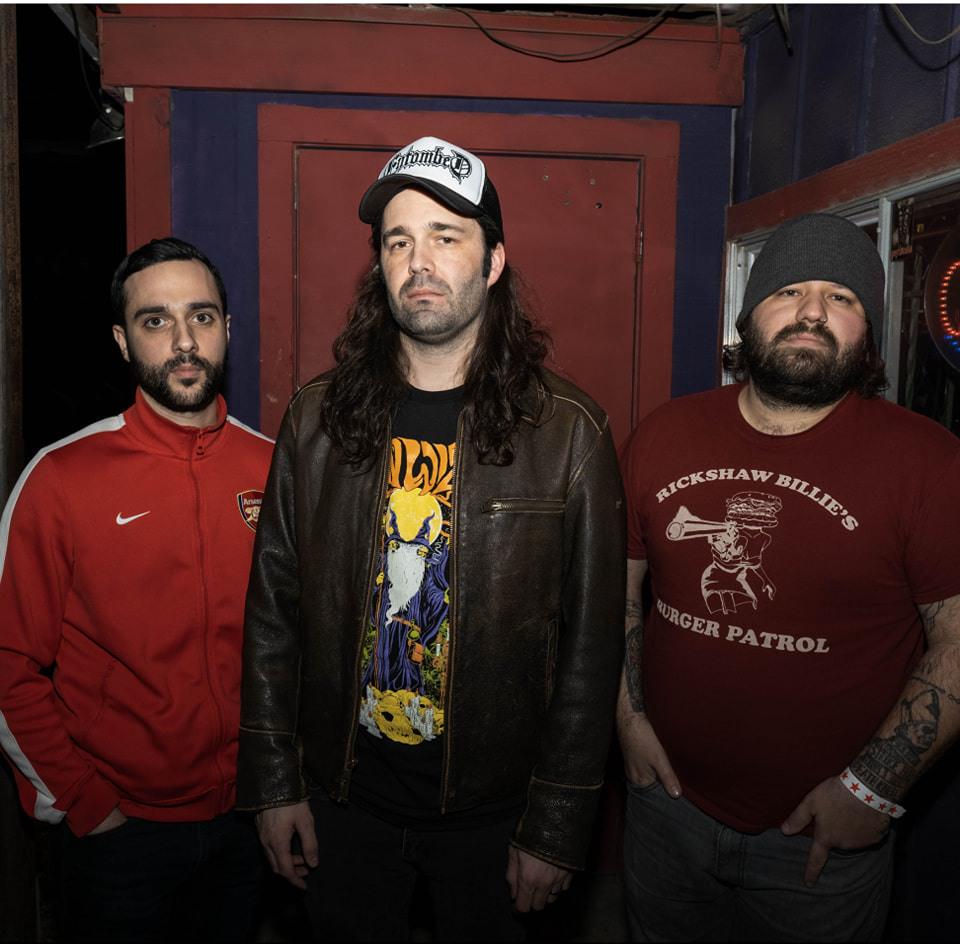
Baardvader’s Spotify BioBaardvader is a fuzzrock three-piece inspired by 70s and 90s bands mixed with stoner elements. A familiar but unique sound presented in a modern way. Formed out of different bands, Baardvader returns to the essence of rock by injecting new energy to the genre.
Definitely formed in early 2019 after years of playing in and out of different bands. Baardvader wrote and recorded their self-titled debut in spring and summer of 2019 and made the finishing touches to the album throughout the rest of the year. ‘Baardvader’ was released on January 31st in 2020 and was followed by a small clubtour the two months following the release, which was cut short due to the Covid-9 pandemic.
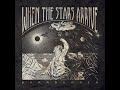
Shortly after the pandemic hit the band started looking towards the future. During the two year gap the band wrote and recorded their second album ‘Foolish Fires’, finishing the final stages of the record during early 2022. After promoting their second album during their Popronde tour, the band started working on their… third record, When The Stars Arrive. Written during the first half of 2023 and recorded in the following summer. When The Stars Arrive was released on 16/05/2024.
Influences: Fu Manchu, Uncle Acid & The Deadbeats, Weedeater, Electric Wizard, The White Stripes and Jimi Hendrix
Viberate is a music analytics platform built for A&Rs, artist managers, labels, booking agents, marketers, and artists.
It helps music professionals track artist growth, analyze audience data, monitor playlist activity, compare artists, follow song performance, and identify opportunities across the music market.
Public artist pages provide a free preview of selected artist data. Paid plans provide access to deeper analytics, historical data, charts, comparisons, playlist tools, exports, alerts, reports, and additional professional features.
Yes. Public Viberate artist pages provide selected artist analytics and music data for free.
Viberate also offers a 7-day free trial of the full platform. A credit card is required to start the trial. The trial includes access to the complete product so users can test deeper artist analytics, historical views, playlist insights, comparisons, charts, exports, alerts, and reporting features before choosing a paid plan.
Viberate provides artist analytics across streaming, playlists, social media, video, radio airplay, songs, and audience markets.
Users can analyze Spotify performance, Spotify and Apple Music playlists, YouTube activity, TikTok and Instagram growth, radio spins, song performance, audience locations, demographics, rankings, and overall artist momentum.
Artist profiles also connect to music charts, similar artists, and comparison tools, helping users benchmark performance and evaluate artists in context.
Viberate updates key artist and track data daily.
For followed artists and tracks, selected data is refreshed multiple times per day. This helps teams monitor playlist changes, streaming movement, audience growth, releases, and campaign performance with more current data.
Update frequency can vary depending on the metric and data source.
Yes. Viberate lets users compare up to five artists side by side across streaming, social media, audience, and engagement metrics.
Users can compare fanbase growth, audience demographics, locations, Spotify performance, social metrics, and other artist data over selected time periods.
Artist comparison can be used for A&R scouting, benchmarking, booking decisions, campaign planning, and evaluating artists with similar audiences or market positions.