Aztec Two-Step

Rock
Folk Rock
Pop Rock
 Viberate Rank: 279487
 Viberate Rank: 279487
 Monthly ListenersFollowers
 Subscribers
 Followers
 Followers
 FansTop Spotify Songs
| Track | 7-Day Streams | |
|---|---|---|
1 | 518 | |
2 | 482 | |
3 | 482 | |
4 | 358 | |
5 | 330 |
Top YouTube Videos| Video | 7-Day Views | |
|---|---|---|
1 | 148 | |
2 | 130 | |
3 | 84 | |
4 | 74 | |
5 | 69 |
Monthly ListenersFeatured in Playlists| Playlist | Followers | |
|---|---|---|
1 |  Sunday Afternoon Cleaning Felix Ames | 6.41K |
2 |  Jarvis Cocker's Sunday Service Anders Björk | 5.09K |
3 |  Stroom 〰 Autumn Winter Stroom | 3.31K |
4 |  Baby Boomers Drinking Wine Lisa Herman | 1.77K |
5 | Sunshine Pop Psych Era Motokuni Kiyomiya | 1.76K |
Audience| City | Monthly Listeners | |
|---|---|---|
1 | | 117 |
2 | | 96 |
3 | | 88 |
4 | | 67 |
5 | | 49 |
See full performance history, audience data, playlist activity, rankings, comparisons, and more in Viberate music analytics. Start with a free trial, then continue with a paid plan.
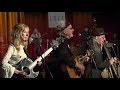
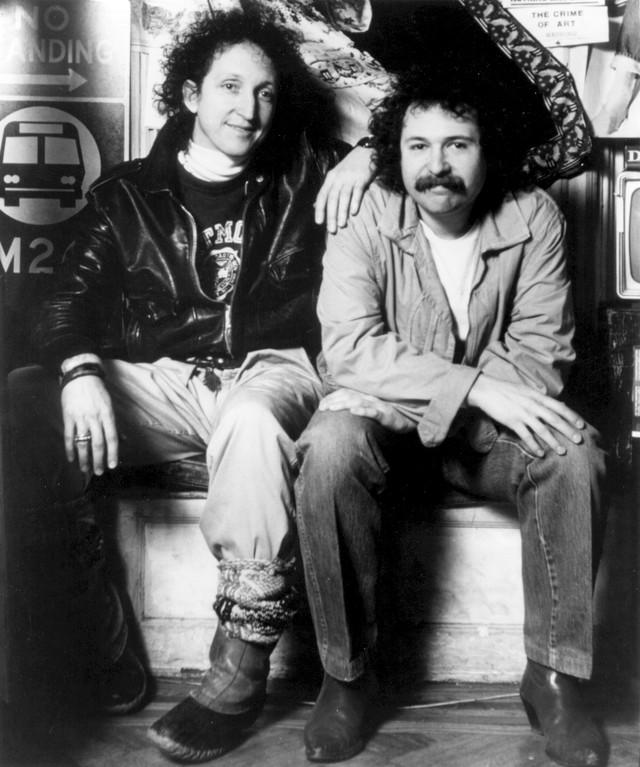
Aztec Two-Step’s Spotify BioFormed in 1971, Aztec Two-Step is the acoustic soft rock duo of Rex Fowler and Neal Shulman. A regular on the folk festival circuit for decades to follow, they've released over a dozen albums, including the live compilation Highway Signs (1996) and the Simon & Garfunkel tribute Time It Was (2009).
Fowler and Shulman first met at an open stage at the Stone Phoenix, a Boston coffee house. Within a few months of working together, they recorded their first album as Aztec Two-Step, and a few months later, they had a deal with Elektra Records. The label released the duo's self-titled debut in 1972 to widespread critical acclaim. With guests including John Sebastian, Doug Dillard, and Jerry Yester, among others, the album spawned the early-'70s radio hit "The Persecution and Restoration of Dean Moriarty (On the Road)." The group's second LP, Second Step, arrived in 1975 and was followed by Two's Company in 1976 and Adjoining Suites in 1977. As their folk-rock-inspired sound fell out of fashion… in the late '70s, the duo continued to tour in support of their earlier albums, and in 1979, Aztec Two-Step recorded and released The Times of Our Lives. They then took a hiatus from recording while continuing to tour around the U.S. and Europe.
In 1986, the duo returned with Living in America for Reflex Records, which won a 1987 New York Music Award for Best Folk Album. They followed it up in 1989 with See, It Was Like This for the Flying Fish label. Aztec Two-Step's '90s releases included 1993's Of Age and an album recorded live at three different New York coffee houses in December 1995, Highway Signs. A documentary about the band, No-Hit Wonder, aired on PBS in 1999.
The Aztec Two-Step compilation Live & Rare followed in 2001, and they presented original material on 2003's Plums and 2004's Days of Horses. The 18-track Time It Was: The Simon & Garfunkel Songbook was a live recording released in 2009, the same year Renaissance Records issued The Persecution & Restoration of Aztec Two-Step (An Anthology). Arriving 40 years after their debut, Cause & Effect saw release in 2012. They embarked on their first crowd-sourcing campaign for their next album, Naked, which addressed sociopolitical topics in 2017. ~ Marcy Donelson & Richard Skelly, Rovi
Viberate is a music analytics platform built for A&Rs, artist managers, labels, booking agents, marketers, and artists.
It helps music professionals track artist growth, analyze audience data, monitor playlist activity, compare artists, follow song performance, and identify opportunities across the music market.
Public artist pages provide a free preview of selected artist data. Paid plans provide access to deeper analytics, historical data, charts, comparisons, playlist tools, exports, alerts, reports, and additional professional features.
Yes. Public Viberate artist pages provide selected artist analytics and music data for free.
Viberate also offers a 7-day free trial of the full platform. A credit card is required to start the trial. The trial includes access to the complete product so users can test deeper artist analytics, historical views, playlist insights, comparisons, charts, exports, alerts, and reporting features before choosing a paid plan.
Viberate provides artist analytics across streaming, playlists, social media, video, radio airplay, songs, and audience markets.
Users can analyze Spotify performance, Spotify and Apple Music playlists, YouTube activity, TikTok and Instagram growth, radio spins, song performance, audience locations, demographics, rankings, and overall artist momentum.
Artist profiles also connect to music charts, similar artists, and comparison tools, helping users benchmark performance and evaluate artists in context.
Viberate updates key artist and track data daily.
For followed artists and tracks, selected data is refreshed multiple times per day. This helps teams monitor playlist changes, streaming movement, audience growth, releases, and campaign performance with more current data.
Update frequency can vary depending on the metric and data source.
Yes. Viberate lets users compare up to five artists side by side across streaming, social media, audience, and engagement metrics.
Users can compare fanbase growth, audience demographics, locations, Spotify performance, social metrics, and other artist data over selected time periods.
Artist comparison can be used for A&R scouting, benchmarking, booking decisions, campaign planning, and evaluating artists with similar audiences or market positions.