Az Yet

R&B
Contemporary R&B
Soul
 Viberate Rank: 32376
 Viberate Rank: 32376
 Monthly ListenersFollowers
 Subscribers
 Followers
 Followers
 FansTop Spotify Songs
| Track | 7-Day Streams | |
|---|---|---|
1 | 77.48K | |
2 | 73.65K | |
3 | 12.96K | |
4 | 6.48K | |
5 | 3.43K |
Top YouTube Videos| Video | 7-Day Views | |
|---|---|---|
1 | 56.57K | |
2 | 26.57K | |
3 | 1.22K | |
4 | 951 | |
5 | 946 |
Monthly ListenersFeatured in Playlists| Playlist | Followers | |
|---|---|---|
1 |  90s R&B Hits (Top 100) Nostalgic Vibes | 234.83K |
2 | R&B/THROWBACK Paula | 114.29K |
3 | 90's R&B Greatest Love Songs @missrhonda | 94.93K |
4 | 90s Boyband Greatest Hits (90s Boy Groups Most Loved Hits Compilation) w | 79.66K |
5 | Slow Jams/R&B ❤️ _elissseee | 74.29K |
Audience| City | Monthly Listeners | |
|---|---|---|
1 |  | 11.14K |
2 | | 7.13K |
3 |  | 6.09K |
4 |  | 6.04K |
5 | | 5.94K |
See full performance history, audience data, playlist activity, rankings, comparisons, and more in Viberate music analytics. Start with a free trial, then continue with a paid plan.
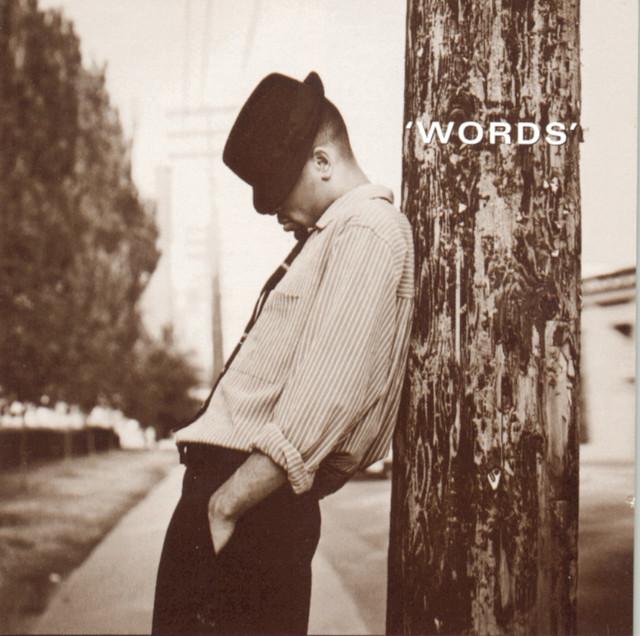
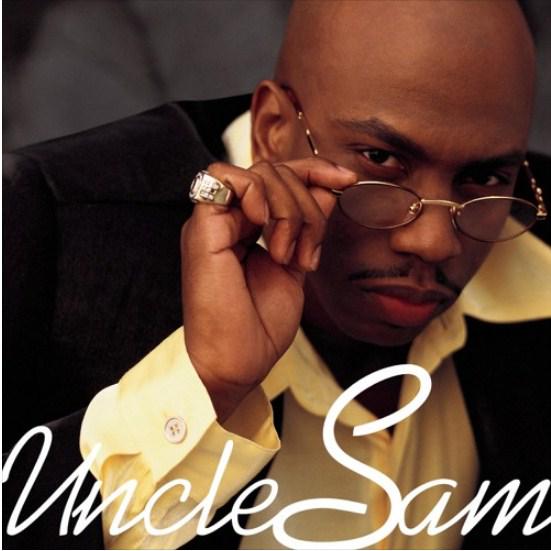
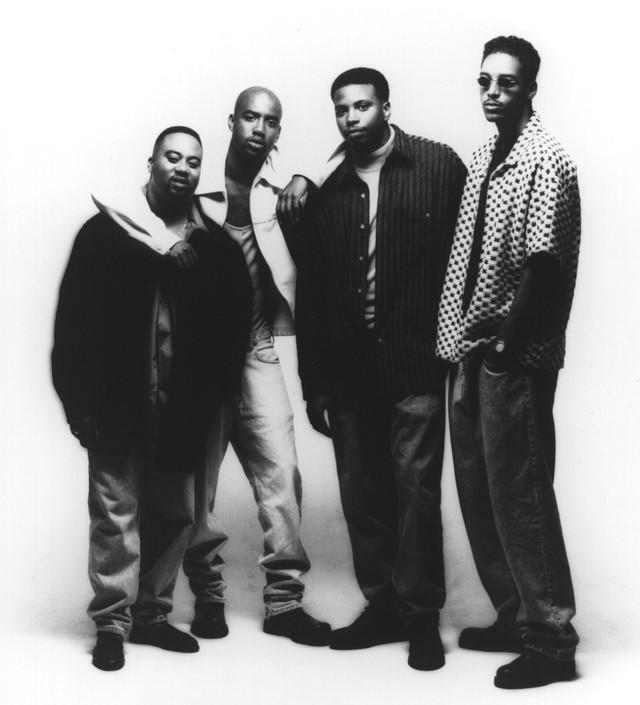
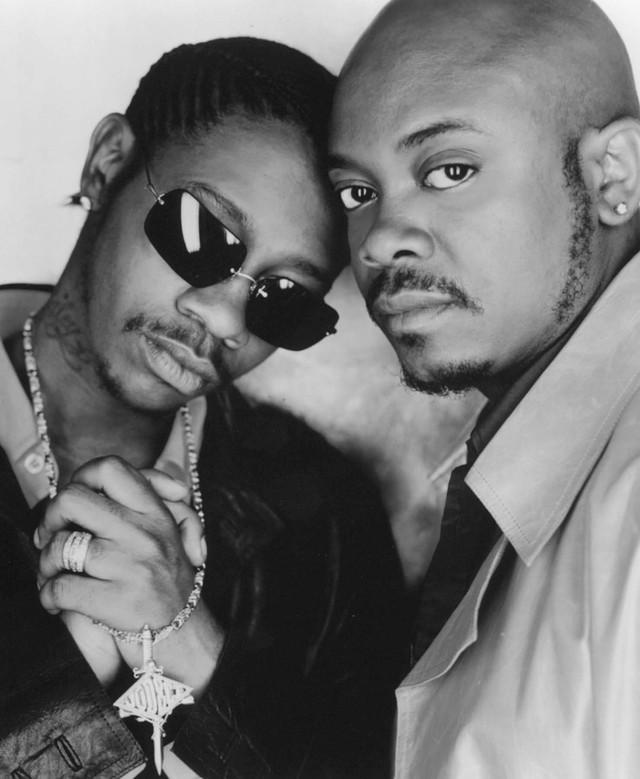
Az Yet’s Spotify BioSmooth contemporary R&B group Az Yet formed in Philadelphia during the late '80s, and caught a break a few years later when their demo was heard by Babyface, which led to a deal with the LaFace label. They made their debut, however, on Def Jam's soundtrack for The Nutty Professor. Produced by Babyface and Mervyn Warren, Az Yet's contribution, "Last Night," showcased their refined harmonic chemistry. One of the biggest ballads of 1996, it topped Billboard's R&B/Hip-Hop chart and reached number nine on the Hot 100. Their self-titled debut album was released while the song was in its ascent and featured an almost a cappella cover of Chicago's "Hard to Say I'm Sorry" (on which they were joined by Peter Cetera) that put them back in the pop Top Ten, subsequently nominated for a Grammy. By the end of June 1997, the album was certified platinum. Az Yet encountered a number of obstacles, including membership turnover, and went through periods of inactivity as they sporadically performed and… recorded. Their second proper album, She's Magic, was released in 2016 on Goldenlane. ~ Andy Kellman, Rovi
Viberate is a music analytics platform built for A&Rs, artist managers, labels, booking agents, marketers, and artists.
It helps music professionals track artist growth, analyze audience data, monitor playlist activity, compare artists, follow song performance, and identify opportunities across the music market.
Public artist pages provide a free preview of selected artist data. Paid plans provide access to deeper analytics, historical data, charts, comparisons, playlist tools, exports, alerts, reports, and additional professional features.
Yes. Public Viberate artist pages provide selected artist analytics and music data for free.
Viberate also offers a 7-day free trial of the full platform. A credit card is required to start the trial. The trial includes access to the complete product so users can test deeper artist analytics, historical views, playlist insights, comparisons, charts, exports, alerts, and reporting features before choosing a paid plan.
Viberate provides artist analytics across streaming, playlists, social media, video, radio airplay, songs, and audience markets.
Users can analyze Spotify performance, Spotify and Apple Music playlists, YouTube activity, TikTok and Instagram growth, radio spins, song performance, audience locations, demographics, rankings, and overall artist momentum.
Artist profiles also connect to music charts, similar artists, and comparison tools, helping users benchmark performance and evaluate artists in context.
Viberate updates key artist and track data daily.
For followed artists and tracks, selected data is refreshed multiple times per day. This helps teams monitor playlist changes, streaming movement, audience growth, releases, and campaign performance with more current data.
Update frequency can vary depending on the metric and data source.
Yes. Viberate lets users compare up to five artists side by side across streaming, social media, audience, and engagement metrics.
Users can compare fanbase growth, audience demographics, locations, Spotify performance, social metrics, and other artist data over selected time periods.
Artist comparison can be used for A&R scouting, benchmarking, booking decisions, campaign planning, and evaluating artists with similar audiences or market positions.