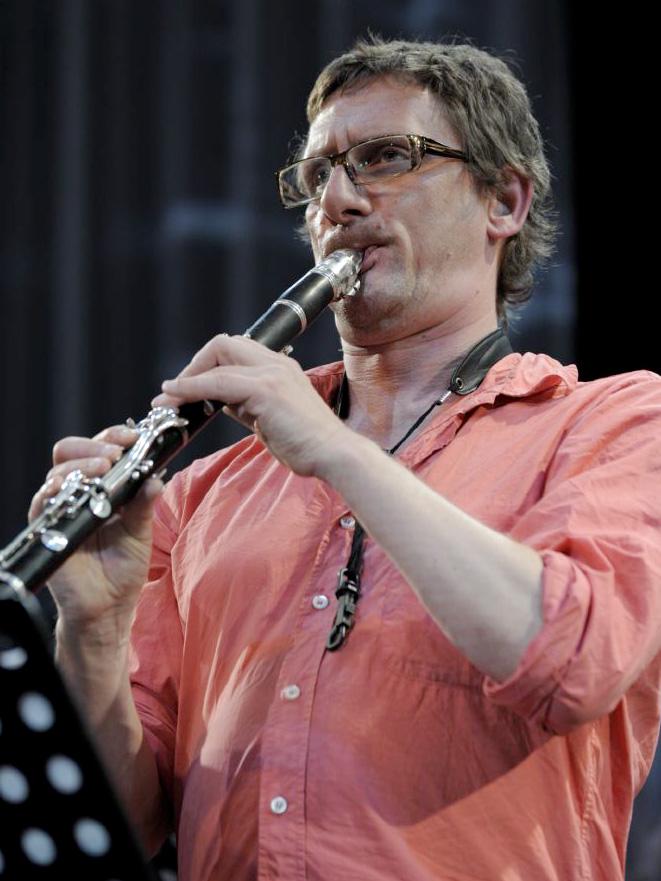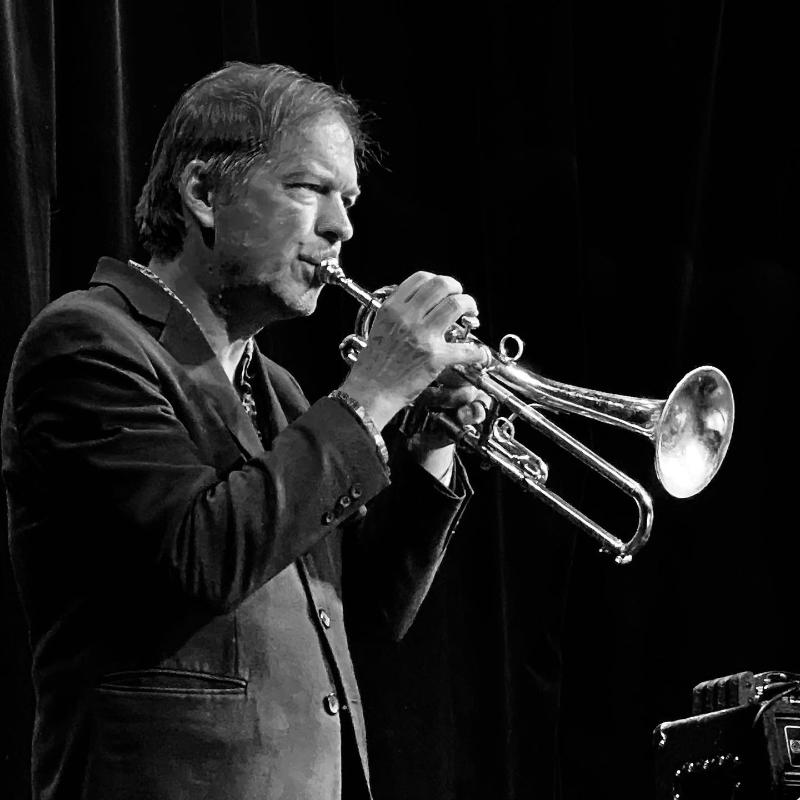
Axel Dörner

Jazz
Avant-garde Jazz
Free Jazz
 Viberate Rank: 797943
 Viberate Rank: 797943
 Monthly ListenersFollowers
 Subscribers
 Followers
 Followers
 FansTop Spotify Songs
| Track | 7-Day Streams | |
|---|---|---|
1 | 29 | |
2 | 8 | |
3 | 7 | |
4 | 6 | |
5 | 4 |
Top YouTube VideosMonthly ListenersFeatured in Playlists| Playlist | Followers | |
|---|---|---|
1 |  Free Jazz Blog 2026 krsikapa | 257 |
2 | Ted Gioia The 100 Best Recordings of 2025 Brett | 196 |
3 | Ted Gioia 100 Best Recordings 2025 MBRO | 116 |
Audience| City | Monthly Listeners | |
|---|---|---|
1 | | 17 |
2 |  | 4 |
3 | | 4 |
4 |  | 3 |
5 | | 3 |
See full performance history, audience data, playlist activity, rankings, comparisons, and more in Viberate music analytics. Start with a free trial, then continue with a paid plan.
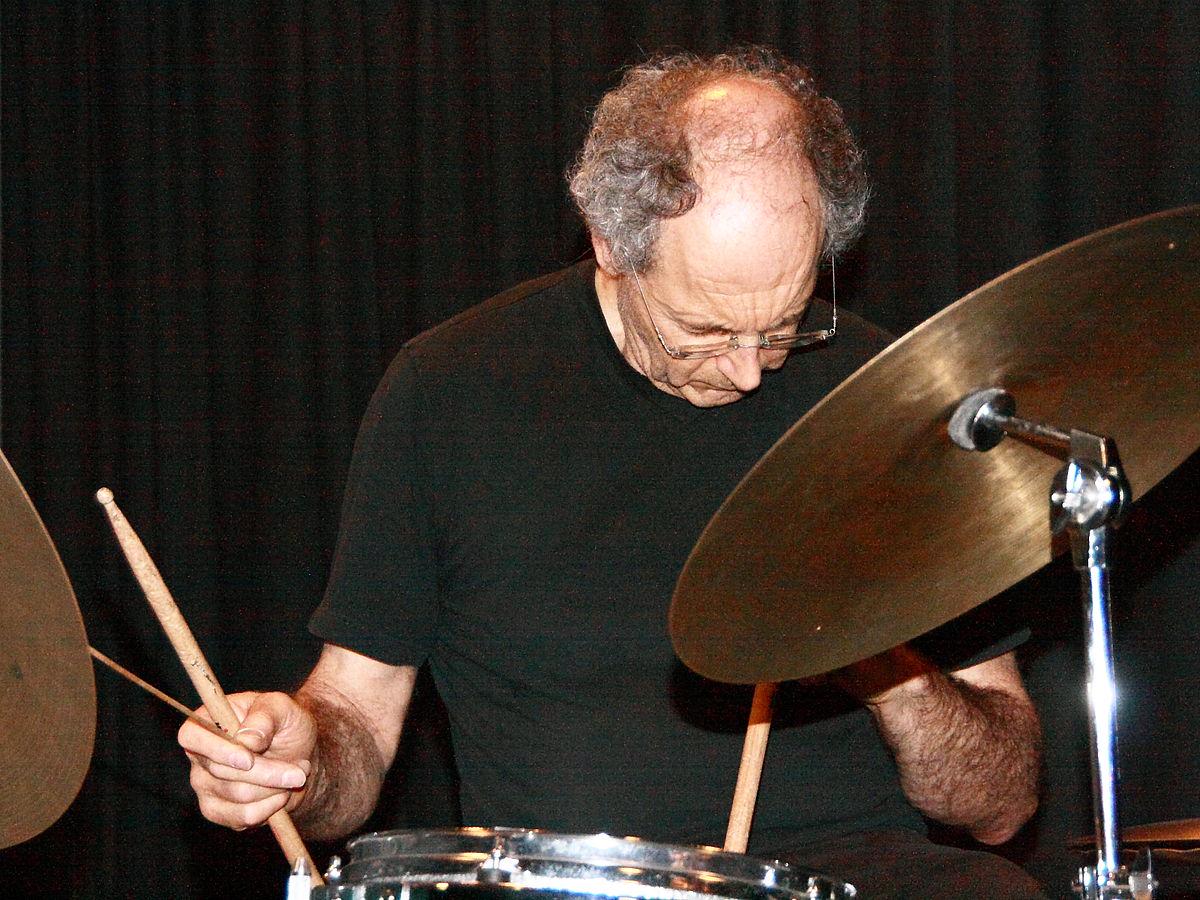
Axel Dörner’s Spotify BioGerman trumpeter Axel Dörner is first and foremost a group player. Despite a growing discography and a very busy performance schedule, he is rarely seen leading a session or presenting a solo album. Yet, he has developed one of the most unique voices in free improvisation. Synchronized with other European horn players like Radu Malfatti, John Butcher, and Franz Hautzinger, he developed a completely different language for the trumpet in the late ‘90s, starting anew by focusing on the sound of his breath. With enough amplification, the most microscopic gestures sound like electronic flurries. But what distinguishes Dörner from the aforementioned players is that instead of turning this "new way" into a religion, he integrated it into his arsenal and continued to perform with maximalist free jazz groups.
Dörner came late to the trumpet. Born in 1964 in Köln, Germany, he studied the piano, first at the conservatory in Arnhem, The Netherlands, in 1988-1989, and then at the Musikhochschule in… Köln. In 1991, he picked up trumpet as a second instrument, studying with Malte Burba. Avant-garde jazz became an escape from academia. While in Köln he performed with Bruno Leicht as the Streetfighters. It is during that period that he formed his first group, the Axel Dörner Quartet with Frank Gratkowski, Hans Schneider, and Martin Blume, whom he would later join in the international free improv group Lines. He recorded his first session in 1993 with the Remedy, a trio with Sebastian Gramß and Claus Wagner.
In 1994, Dörner moved to Berlin and dove head first in the free improv scene there, leaving the piano behind. With saxophonist Rudi Mahall he started the Thelonious Monk tribute band Die Enttäuschung. The pair also joined old-school free jazz drummer Sven-Ake Johansson's group and later formed the Electrics. The trumpeter was drafted for Lawrence "Butch" Morris' Berlin Skyscraper tour of 1995, which led to friendships with musicians based in London and membership in the Chris Burn Ensemble. He also became a regular collaborator with Alexander von Schlippenbach. All the while he began to develop his new techniques, a hint of the process being illustrated by Claque (1998), his first album as a leader, recorded with Chicago improvisers Fred Lonberg-Holm and Michael Zerang. He had a chance to explore his newly found interest with the new music ensemble Zeitkratzer where he held a tenure for a short while (recording two discs with them) and applied it in small group improvisation with John Butcher and Xavier Charles in 2000-2001, a project that yielded the influential album The Contest of Pleasures (2001). Trumpet (2001), his first solo CD, shows how far he went with the concept of microscopic sound. ~ François Couture, Rovi
Viberate is a music analytics platform built for A&Rs, artist managers, labels, booking agents, marketers, and artists.
It helps music professionals track artist growth, analyze audience data, monitor playlist activity, compare artists, follow song performance, and identify opportunities across the music market.
Public artist pages provide a free preview of selected artist data. Paid plans provide access to deeper analytics, historical data, charts, comparisons, playlist tools, exports, alerts, reports, and additional professional features.
Yes. Public Viberate artist pages provide selected artist analytics and music data for free.
Viberate also offers a 7-day free trial of the full platform. A credit card is required to start the trial. The trial includes access to the complete product so users can test deeper artist analytics, historical views, playlist insights, comparisons, charts, exports, alerts, and reporting features before choosing a paid plan.
Viberate provides artist analytics across streaming, playlists, social media, video, radio airplay, songs, and audience markets.
Users can analyze Spotify performance, Spotify and Apple Music playlists, YouTube activity, TikTok and Instagram growth, radio spins, song performance, audience locations, demographics, rankings, and overall artist momentum.
Artist profiles also connect to music charts, similar artists, and comparison tools, helping users benchmark performance and evaluate artists in context.
Viberate updates key artist and track data daily.
For followed artists and tracks, selected data is refreshed multiple times per day. This helps teams monitor playlist changes, streaming movement, audience growth, releases, and campaign performance with more current data.
Update frequency can vary depending on the metric and data source.
Yes. Viberate lets users compare up to five artists side by side across streaming, social media, audience, and engagement metrics.
Users can compare fanbase growth, audience demographics, locations, Spotify performance, social metrics, and other artist data over selected time periods.
Artist comparison can be used for A&R scouting, benchmarking, booking decisions, campaign planning, and evaluating artists with similar audiences or market positions.