AvoidRafa

Rock
Alternative Rock
Folk Pop
Alternative Metal
 Viberate Rank: 26489
 Viberate Rank: 26489
 Monthly ListenersFollowers
 Subscribers
 Followers
 Followers
 FansTop Spotify Songs
| Track | 7-Day Streams | |
|---|---|---|
1 | 39.32K | |
2 | 16.77K | |
3 | 9.42K | |
4 | 7.14K | |
5 | 6.84K |
Top YouTube Videos| Video | 7-Day Views | |
|---|---|---|
1 | 42.63K | |
2 | 7.53K | |
3 | 5.24K | |
4 | 5.18K | |
5 | 3.80K |
Monthly ListenersFeatured in Playlists| Playlist | Followers | |
|---|---|---|
1 |  Bangla Rock Spotify | 72.13K |
2 |  যেটা ছিল না সেটা না পাওয়াই থাক Piku | 25.47K |
3 | Bangla Popular Band Songs Rafi Adnan | 19.64K |
4 |  Shomopti Bistortion | 15.77K |
5 |  তামাকপাতা Marisa | 14.40K |
Audience| City | Monthly Listeners | |
|---|---|---|
1 | | 52.26K |
2 |  | 10.01K |
3 | | 6.75K |
4 | | 2.65K |
5 | | 2.43K |
See full performance history, audience data, playlist activity, rankings, comparisons, and more in Viberate music analytics. Start with a free trial, then continue with a paid plan.
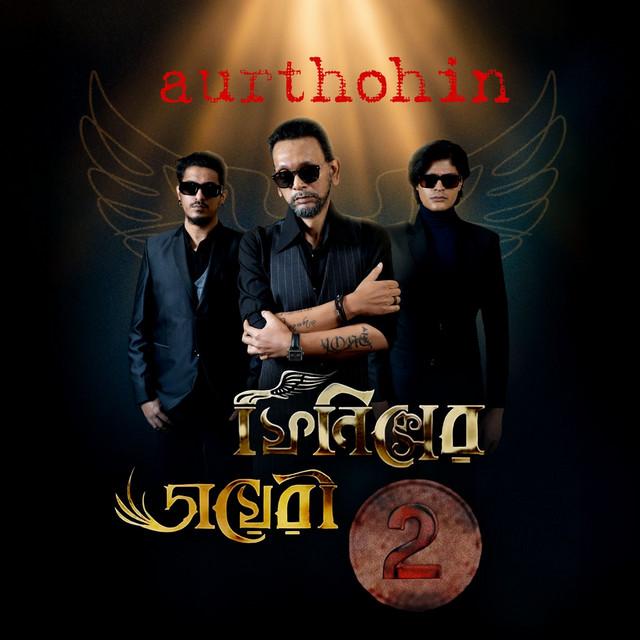
AvoidRafa’s Spotify BioRaef Al Hasan Rafa started doing music in 2003, with a Nu Metal band called Sykokinesis, comprised of a bunch of school friends deciding to form a band, just to experience the sheer fun of it, meanwhile, his brother Saadi was forming another band called Kral, One of the two made their debut appearance at a concert at the Russian Cultural Center which was organized by him and his friends. And that very show kick-started his journey, then performed another show with Kral at Hotel Abakash, Met Sumon from Aurthohin at a particular concert, and then went on to visit Sumon's place, in addition, Sumon was also friends with his cousin Aldnane.
During that time Aurthohin was in need of a vocalist and was opening up auditions for one, but since Rafa was already serving as the vocalist for Kral, he wasn't asked by Sumon to hop in, but later on, Imtiaz joined Kral. And so, he was later recruited by Aurthohin as their new vocalist. Later Sumon found out that he can also play the guitars, so he… served as both their guitarist and vocalist.
Later on, he also joined the heavy metal giant of Bangladesh Cryptic Fate as a drummer.
After playing with Aurthohin for years, he finally left the band and formed his own project named AvoidRafa. He also produced a few hip-hop songs which are yet to come. But by heart, He is a musician totally devoted to rock music, and sometimes metal.
Viberate is a music analytics platform built for A&Rs, artist managers, labels, booking agents, marketers, and artists.
It helps music professionals track artist growth, analyze audience data, monitor playlist activity, compare artists, follow song performance, and identify opportunities across the music market.
Public artist pages provide a free preview of selected artist data. Paid plans provide access to deeper analytics, historical data, charts, comparisons, playlist tools, exports, alerts, reports, and additional professional features.
Yes. Public Viberate artist pages provide selected artist analytics and music data for free.
Viberate also offers a 7-day free trial of the full platform. A credit card is required to start the trial. The trial includes access to the complete product so users can test deeper artist analytics, historical views, playlist insights, comparisons, charts, exports, alerts, and reporting features before choosing a paid plan.
Viberate provides artist analytics across streaming, playlists, social media, video, radio airplay, songs, and audience markets.
Users can analyze Spotify performance, Spotify and Apple Music playlists, YouTube activity, TikTok and Instagram growth, radio spins, song performance, audience locations, demographics, rankings, and overall artist momentum.
Artist profiles also connect to music charts, similar artists, and comparison tools, helping users benchmark performance and evaluate artists in context.
Viberate updates key artist and track data daily.
For followed artists and tracks, selected data is refreshed multiple times per day. This helps teams monitor playlist changes, streaming movement, audience growth, releases, and campaign performance with more current data.
Update frequency can vary depending on the metric and data source.
Yes. Viberate lets users compare up to five artists side by side across streaming, social media, audience, and engagement metrics.
Users can compare fanbase growth, audience demographics, locations, Spotify performance, social metrics, and other artist data over selected time periods.
Artist comparison can be used for A&R scouting, benchmarking, booking decisions, campaign planning, and evaluating artists with similar audiences or market positions.