Averse Sefira

Metal
Black Metal
 Viberate Rank: 613926
 Viberate Rank: 613926
 Monthly ListenersFollowers
 Subscribers
 Followers
 Followers
 FansTop Spotify Songs
| Track | 7-Day Streams | |
|---|---|---|
1 | 29 | |
2 | 14 | |
3 | 14 | |
4 | 12 | |
5 | 12 |
Top YouTube VideosMonthly ListenersFeatured in Playlists| Playlist | Followers | |
|---|---|---|
1 |  black metal bl00d.junkie | 11.39K |
2 |  The Sound of Black Metal The Sounds of Spotify | 2.32K |
3 | ATX METAL David Menendez | 1.31K |
Audience| City | Monthly Listeners | |
|---|---|---|
1 |  | 5 |
2 |  | 3 |
3 | | 3 |
4 | | 3 |
5 | | 3 |
See full performance history, audience data, playlist activity, rankings, comparisons, and more in Viberate music analytics. Start with a free trial, then continue with a paid plan.
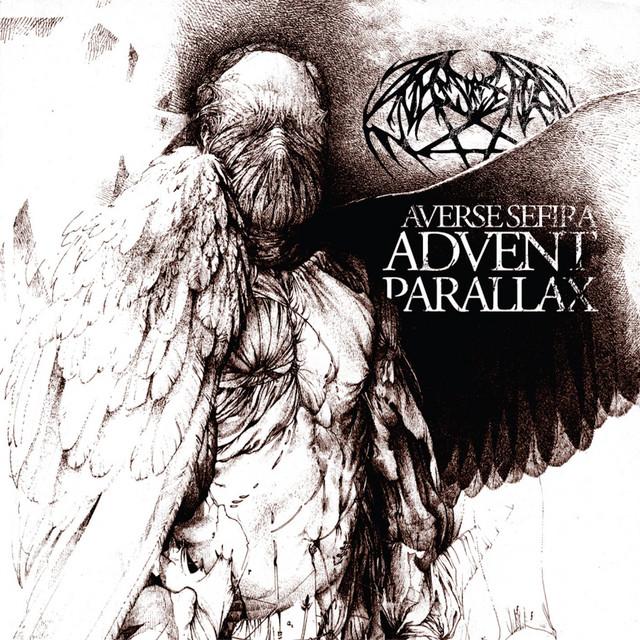
Averse Sefira’s Spotify BioTexas and black metal? Specifically the European flavor of black metal? Sure, why not. Texas is kind of a tough place, and certainly isn't lacking in a seething underground, particularly in the extreme metal scenes. The Austin-spawned Averse Sefira took their unexpected pedigree to great heights in their time, making inroads into the European scene, and causing enough of a stir in South America that the band had to add a Portuguese-language section to its website. Formed in 1996 by guitarist and vocalist Sanguine Mapsama and bassist Wrath Sathariel Diabolus, Averse recorded a demo -- Blasphomet Sin Abset -- which wound up seeing release later in their first year. (It would later see re-release in 2003 on Evil Horde.) At the outset, the band -- notably lacking a drummer, Averse chose to use a drum machine in their early years -- stuck to a "true" black metal course, releasing work that was stylistically most like early Mayhem and Gorgoroth. Their first album, Homecoming's March, was… released in 1999 on the band's own Arrogare label. The band began exploring the wild world of live drumming in 2001, taking on the Carcass on traps, who made his first appearance on the band's second album, Battle's Clarion. This time around, Averse Sefira left behind the pure black metal and explored a more death-oriented sound, and helped mold the style of the Texas outfit into something a bit more developed. Over the next few years, the band released a number of EPs and toured internationally with genre legends like Dark Funeral and up-and-comers like Watain. In 2005, album number three burst forth, entitled Tetragrammatical Astymata, which was a further development of their unique hybrid death/black metal sound. In 2008, Averse Sefira made a triumphant return to the metal consciousness with their new album, Advent Parallax, which was released on the well-respected extreme metal label Candlelight. ~ Chris True, Rovi
Viberate is a music analytics platform built for A&Rs, artist managers, labels, booking agents, marketers, and artists.
It helps music professionals track artist growth, analyze audience data, monitor playlist activity, compare artists, follow song performance, and identify opportunities across the music market.
Public artist pages provide a free preview of selected artist data. Paid plans provide access to deeper analytics, historical data, charts, comparisons, playlist tools, exports, alerts, reports, and additional professional features.
Yes. Public Viberate artist pages provide selected artist analytics and music data for free.
Viberate also offers a 7-day free trial of the full platform. A credit card is required to start the trial. The trial includes access to the complete product so users can test deeper artist analytics, historical views, playlist insights, comparisons, charts, exports, alerts, and reporting features before choosing a paid plan.
Viberate provides artist analytics across streaming, playlists, social media, video, radio airplay, songs, and audience markets.
Users can analyze Spotify performance, Spotify and Apple Music playlists, YouTube activity, TikTok and Instagram growth, radio spins, song performance, audience locations, demographics, rankings, and overall artist momentum.
Artist profiles also connect to music charts, similar artists, and comparison tools, helping users benchmark performance and evaluate artists in context.
Viberate updates key artist and track data daily.
For followed artists and tracks, selected data is refreshed multiple times per day. This helps teams monitor playlist changes, streaming movement, audience growth, releases, and campaign performance with more current data.
Update frequency can vary depending on the metric and data source.
Yes. Viberate lets users compare up to five artists side by side across streaming, social media, audience, and engagement metrics.
Users can compare fanbase growth, audience demographics, locations, Spotify performance, social metrics, and other artist data over selected time periods.
Artist comparison can be used for A&R scouting, benchmarking, booking decisions, campaign planning, and evaluating artists with similar audiences or market positions.