Autograph

Rock
Hard Rock
Glam Metal
 Viberate Rank: 39589
 Viberate Rank: 39589
 Monthly ListenersFollowers
 Subscribers
 Followers
 Followers
 FansTop Spotify Songs
| Track | 7-Day Streams | |
|---|---|---|
1 | 171.25K | |
2 | 2.78K | |
3 | 2.59K | |
4 | 2.23K | |
5 | 2.23K |
Top YouTube VideosMonthly ListenersFeatured in Playlists| Playlist | Followers | |
|---|---|---|
1 |  80s Rock Drive Spotify | 541.16K |
2 | Classic Rock Greatest Hits Scott Pruden | 341.38K |
3 | Top Classic Rock Hits Of All Time Tom Schumacher | 301.71K |
4 |  Gym Motivation 💪🏼 Old School 80s - 2026 🏛️ Beast Mode Music | 181.75K |
5 |  Flashback 70s, 80s, 90s Freddie | 150.78K |
Audience| City | Monthly Listeners | |
|---|---|---|
1 | | 7.11K |
2 | | 6.45K |
3 | | 5.86K |
4 |  | 5.70K |
5 | | 5.20K |
See full performance history, audience data, playlist activity, rankings, comparisons, and more in Viberate music analytics. Start with a free trial, then continue with a paid plan.
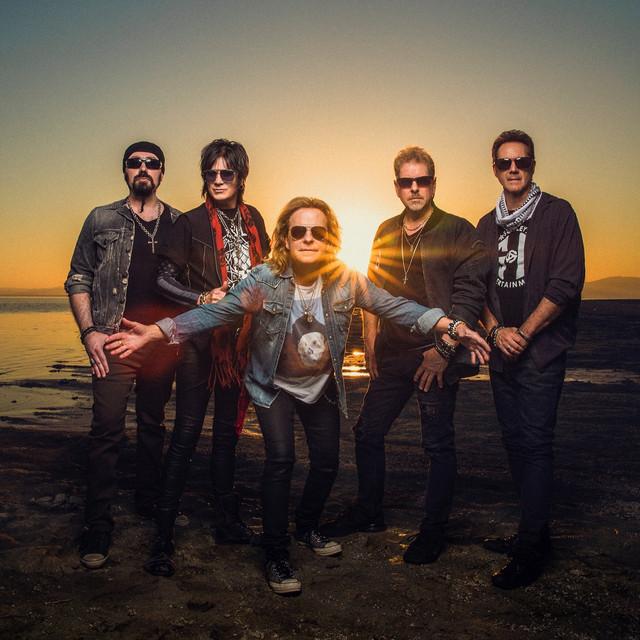
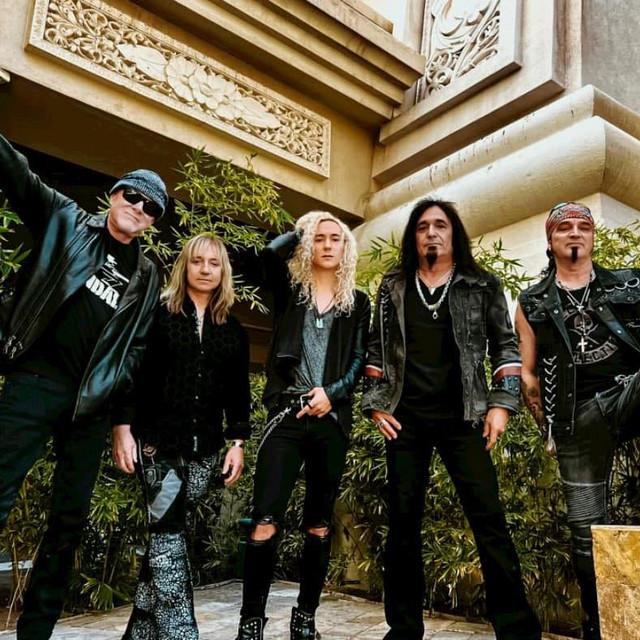
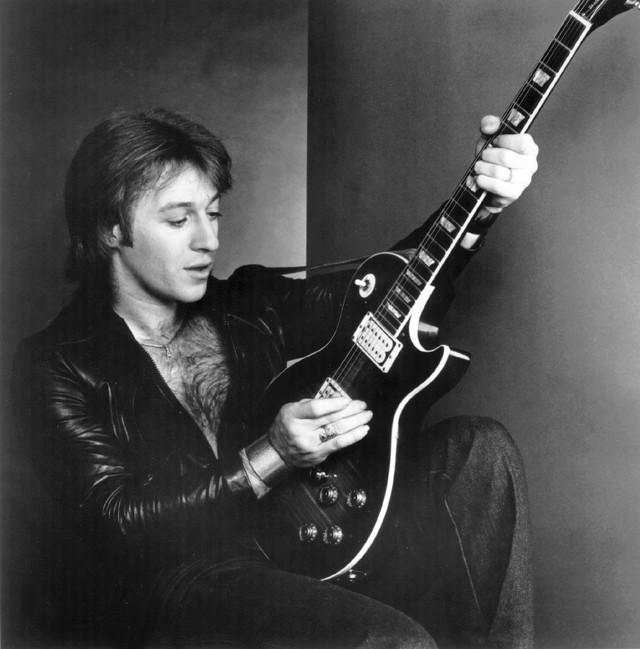
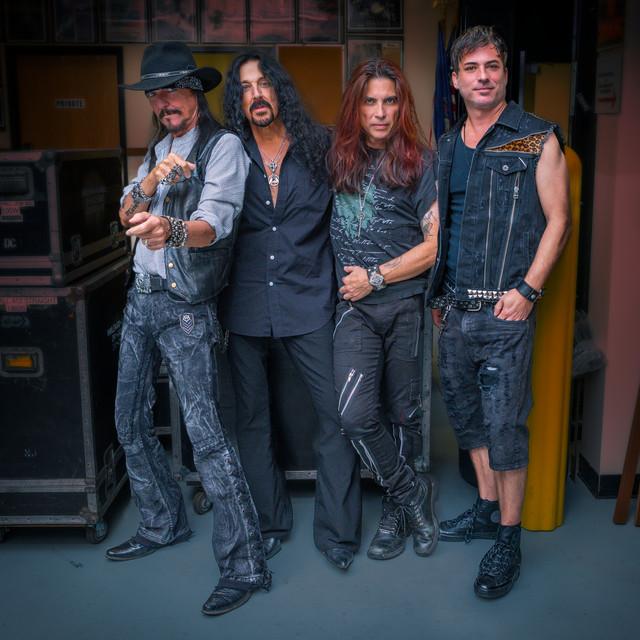
Autograph’s Spotify BioA talented, hook-driven hard rock outfit that hit it big in 1984 with the pop-metal party anthem "Turn Up the Radio," Autograph's winning blend of sophisticated and melodic AOR and pop-metal drew comparisons to artists like Van Halen, Fastway, and Slade. Formed in Los Angeles, California in 1983 by vocalist Steve Plunkett, guitarist Steve Lynch, bassist Randy Rand, keyboard player Steven Isham, and drummer Keni Richards, the band quickly landed a deal with RCA and released its debut LP, Sign in Please. Issued in 1984, the album included the singles "Send Her to Me" and "Turn Up the Radio," the latter of which would go on to be considered an '80s classic. Released in 1985, That's the Stuff boasted a pair of high-octane singles in "Blondes in Black Cars" and the anthemic title track, and was followed by a string of opening slots for Mötley Crüe and Heart. Lackluster label support resulted in 1987's otherwise strong Loud and Clear not performing as well as its predecessors, and the… following year saw the band leave RCA and eventually cease operations in 1989. Autograph reunited, sans Plunkett, in 2014 for a series of festivals, and in 2015 they issued their first new single in decades, "You Are Us, We Are You." A five-song EP, Louder, arrived the following year, and in 2017 Autograph inked a deal with David Ellefson of Megadeth's EMP label and released their long-awaited fourth studio long-player, Get Off Your Ass. Bassist Randy Rand died on April 26, 2022 at the age of 62. ~ James Christopher Monger, Rovi
Viberate is a music analytics platform built for A&Rs, artist managers, labels, booking agents, marketers, and artists.
It helps music professionals track artist growth, analyze audience data, monitor playlist activity, compare artists, follow song performance, and identify opportunities across the music market.
Public artist pages provide a free preview of selected artist data. Paid plans provide access to deeper analytics, historical data, charts, comparisons, playlist tools, exports, alerts, reports, and additional professional features.
Yes. Public Viberate artist pages provide selected artist analytics and music data for free.
Viberate also offers a 7-day free trial of the full platform. A credit card is required to start the trial. The trial includes access to the complete product so users can test deeper artist analytics, historical views, playlist insights, comparisons, charts, exports, alerts, and reporting features before choosing a paid plan.
Viberate provides artist analytics across streaming, playlists, social media, video, radio airplay, songs, and audience markets.
Users can analyze Spotify performance, Spotify and Apple Music playlists, YouTube activity, TikTok and Instagram growth, radio spins, song performance, audience locations, demographics, rankings, and overall artist momentum.
Artist profiles also connect to music charts, similar artists, and comparison tools, helping users benchmark performance and evaluate artists in context.
Viberate updates key artist and track data daily.
For followed artists and tracks, selected data is refreshed multiple times per day. This helps teams monitor playlist changes, streaming movement, audience growth, releases, and campaign performance with more current data.
Update frequency can vary depending on the metric and data source.
Yes. Viberate lets users compare up to five artists side by side across streaming, social media, audience, and engagement metrics.
Users can compare fanbase growth, audience demographics, locations, Spotify performance, social metrics, and other artist data over selected time periods.
Artist comparison can be used for A&R scouting, benchmarking, booking decisions, campaign planning, and evaluating artists with similar audiences or market positions.