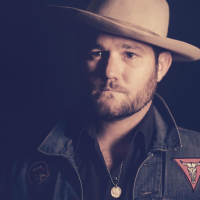
Austin Allsup

Country
Americana/Alt Country
 Viberate Rank: 304949
 Viberate Rank: 304949
 Monthly ListenersFollowers
 Subscribers
 Followers
 Followers
 FansTop Spotify Songs
| Track | 7-Day Streams | |
|---|---|---|
1 | 163 | |
2 | 65 | |
3 | 60 | |
4 | 49 | |
5 | 37 |
Top YouTube VideosMonthly ListenersFeatured in Playlists| Playlist | Followers | |
|---|---|---|
1 | RedDirtCountry Chase Dearing | 22.73K |
2 |  The Voice ✌🏻 Fernando Maciel | 9.30K |
3 | Texas Country / Red Dirt Radio captain.kyle | 5.03K |
4 | The Voice Performances (Studio Version) Ariff Firmansyah | 2.03K |
5 | Texas Music Bucky Wheeler | 1.59K |
Audience| City | Monthly Listeners | |
|---|---|---|
1 | | 153 |
2 | | 100 |
3 | | 48 |
4 | | 44 |
5 | | 41 |
See full performance history, audience data, playlist activity, rankings, comparisons, and more in Viberate music analytics. Start with a free trial, then continue with a paid plan.
Austin Allsup’s Spotify BioTexas native Austin Allsup is set to release his new album in 2024.
To capture the essence of this album, Austin has self-produced the record at the legendary
Church Studio in Tulsa, Oklahoma. The studio, formerly owned by Leon Russell and Steve
Ripley, still holds a certain reverence. The album features a signature blend of country, rock, blues, and a hint of R&B influences that are sure to stem from Allsup’s roots in southern gospel music. Full of catchy melodies and honest lyrics layered with wit, this cosmic southern storyteller is sure to stand
out in a crowded music scene.
The album includes the highly acclaimed track “Holy Water” co-written by country music
staple and friend Cody Jinks, which was previously released on Jinks' "Lifers" album.
One of the highlights of the album is the re-recording of the classic Leon Russell song "Down on Deep River," which was originally recorded with the help of Allsup's Grammy Awardwinning father, Tommy Allsup. For this new version, Austin has added… overdubs of his father's solo from the original recording to pay tribute to his legacy. Austin Allsup is poised to continue his upward trajectory and cement his place as one of the
most original voices in americana/country music.
Viberate is a music analytics platform built for A&Rs, artist managers, labels, booking agents, marketers, and artists.
It helps music professionals track artist growth, analyze audience data, monitor playlist activity, compare artists, follow song performance, and identify opportunities across the music market.
Public artist pages provide a free preview of selected artist data. Paid plans provide access to deeper analytics, historical data, charts, comparisons, playlist tools, exports, alerts, reports, and additional professional features.
Yes. Public Viberate artist pages provide selected artist analytics and music data for free.
Viberate also offers a 7-day free trial of the full platform. A credit card is required to start the trial. The trial includes access to the complete product so users can test deeper artist analytics, historical views, playlist insights, comparisons, charts, exports, alerts, and reporting features before choosing a paid plan.
Viberate provides artist analytics across streaming, playlists, social media, video, radio airplay, songs, and audience markets.
Users can analyze Spotify performance, Spotify and Apple Music playlists, YouTube activity, TikTok and Instagram growth, radio spins, song performance, audience locations, demographics, rankings, and overall artist momentum.
Artist profiles also connect to music charts, similar artists, and comparison tools, helping users benchmark performance and evaluate artists in context.
Viberate updates key artist and track data daily.
For followed artists and tracks, selected data is refreshed multiple times per day. This helps teams monitor playlist changes, streaming movement, audience growth, releases, and campaign performance with more current data.
Update frequency can vary depending on the metric and data source.
Yes. Viberate lets users compare up to five artists side by side across streaming, social media, audience, and engagement metrics.
Users can compare fanbase growth, audience demographics, locations, Spotify performance, social metrics, and other artist data over selected time periods.
Artist comparison can be used for A&R scouting, benchmarking, booking decisions, campaign planning, and evaluating artists with similar audiences or market positions.