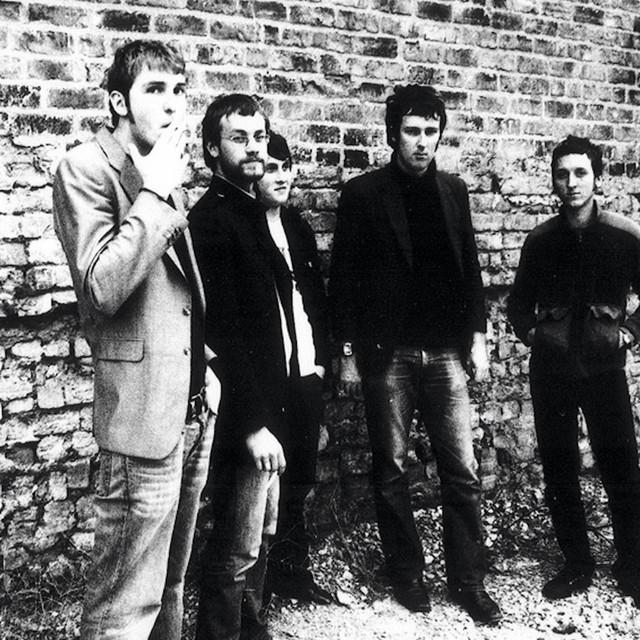
Augie March

Rock
Indie Rock
Alternative Rock
 Viberate Rank: 115867
 Viberate Rank: 115867
 Monthly ListenersFollowers
 Subscribers
 Followers
 Followers
 FansTop Spotify Songs
| Track | 7-Day Streams | |
|---|---|---|
1 | 44.52K | |
2 | 4.53K | |
3 | 1.75K | |
4 | 1.32K | |
5 | 991 |
Top YouTube Videos| Video | 7-Day Views | |
|---|---|---|
1 | 3.45K | |
2 | 341 | |
3 | 183 | |
4 | 162 | |
5 | 128 |
Monthly ListenersFeatured in Playlists| Playlist | Followers | |
|---|---|---|
1 |  Aussie Alternative Classics Spotify | 216.53K |
2 |  triple j's Hottest 100 Australian Songs. Official Playlist. triple j | 158.24K |
3 |  The Streets of Your Town Spotify | 84.76K |
4 |  Legendary Aussie Classics Spotify | 74.80K |
5 |  This Is Paul Kelly Spotify | 60.55K |
Audience| City | Monthly Listeners | |
|---|---|---|
1 | | 23.43K |
2 | | 21.32K |
3 | | 16.18K |
4 | | 11.94K |
5 | | 6.19K |
See full performance history, audience data, playlist activity, rankings, comparisons, and more in Viberate music analytics. Start with a free trial, then continue with a paid plan.
Augie March’s Spotify BioAugie March formed in 1996 in Melbourne, Australia, where guitarist/singer/songwriter Glenn Richards, guitarist Adam Donovan, and drummer David Williams were attending college. The three grew up together in Shepparton, Victoria, Australia, but it wasn't until they reunited as friends during their college days that Richards, an English major, began writing songs and invited the other two to accompany him. Both Donovan and Williams were studying music and the two sought out bassist Edmond Ammendola, with whom they'd worked in the music school, to complete the lineup. The quartet quickly began arranging the music and settled on a name borrowed from the 1954 novel The Adventures of Augie March by Saul Bellow, whose poetic, complex prose complemented Richards' own imaginative and descriptive lyrical style.
Before long, Augie March attracted the ears of Ra Records, and in early 1998 the label released the EP Thanks for the Memes. Soon thereafter, they released another EP, Waltz, and on the… strength of the single "Asleep in Perfection," word about the band rapidly spread and BMG Australia courted them with a recording contract. Augie March accepted and began work on their first full-length, in the meantime expanding to a quintet with the addition of keyboardist Rob Dawson. Sunset Studies was released in mid-2000 to excellent reviews and public support, hovering in the Australian music charts into 2001 while the band performed constantly in support.
Sadly, Dawson was killed in an automobile accident on January 2, 2001, just a year after his joining the group. The remaining members took some time to regroup from the tragedy, holed up together in an abandoned telephone company building, and began writing new material for the follow-up to Sunset Studies. They recruited keyboardist Kiernan Box and headed into the studio to put their new batch of songs to tape, which resulted in the majestic Strange Bird, released in Australia in 2002 and stateside on SpinArt in 2004. The band toured frequently before returning home to work on their third full-length, Moo, You Bloody Choir, but when its slated 2005 release was pushed back indefinitely, Richards took some time to cobble together a handful of lo-fi recordings, which he self-released under the moniker G.A. Richards & the Satanic Mills Bros. The EP was titled Closed Off, Cold & Bitter: Life as a Can of Beer. Moo, You Bloody Choir was finally released in Australia in 2006 and Augie March resumed touring to support its release. Jive/Zomba released it stateside in the summer of 2007. ~ Gregory McIntosh, Rovi
Viberate is a music analytics platform built for A&Rs, artist managers, labels, booking agents, marketers, and artists.
It helps music professionals track artist growth, analyze audience data, monitor playlist activity, compare artists, follow song performance, and identify opportunities across the music market.
Public artist pages provide a free preview of selected artist data. Paid plans provide access to deeper analytics, historical data, charts, comparisons, playlist tools, exports, alerts, reports, and additional professional features.
Yes. Public Viberate artist pages provide selected artist analytics and music data for free.
Viberate also offers a 7-day free trial of the full platform. A credit card is required to start the trial. The trial includes access to the complete product so users can test deeper artist analytics, historical views, playlist insights, comparisons, charts, exports, alerts, and reporting features before choosing a paid plan.
Viberate provides artist analytics across streaming, playlists, social media, video, radio airplay, songs, and audience markets.
Users can analyze Spotify performance, Spotify and Apple Music playlists, YouTube activity, TikTok and Instagram growth, radio spins, song performance, audience locations, demographics, rankings, and overall artist momentum.
Artist profiles also connect to music charts, similar artists, and comparison tools, helping users benchmark performance and evaluate artists in context.
Viberate updates key artist and track data daily.
For followed artists and tracks, selected data is refreshed multiple times per day. This helps teams monitor playlist changes, streaming movement, audience growth, releases, and campaign performance with more current data.
Update frequency can vary depending on the metric and data source.
Yes. Viberate lets users compare up to five artists side by side across streaming, social media, audience, and engagement metrics.
Users can compare fanbase growth, audience demographics, locations, Spotify performance, social metrics, and other artist data over selected time periods.
Artist comparison can be used for A&R scouting, benchmarking, booking decisions, campaign planning, and evaluating artists with similar audiences or market positions.