Atomic Skunk

Electronic
Downtempo
Ambient
 Viberate Rank: 332559
 Viberate Rank: 332559
 Monthly ListenersFollowers
 Subscribers
 Followers
 Followers
 FansTop Spotify Songs
| Track | 7-Day Streams | |
|---|---|---|
1 | 549 | |
2 | 53 | |
3 | 40 | |
4 | 39 | |
5 | 38 |
Top YouTube VideosMonthly ListenersFeatured in Playlists| Playlist | Followers | |
|---|---|---|
1 |  MANTRAS Enara | 86.37K |
2 |  INSTRUMENTAL MUSIC TO WORK TO: Chill, Ambient, Electronic Instrumental Mix Keats Handwriting | 51.84K |
3 | Chantress Seba Sound Healing Karina | 12.53K |
4 | Pagan/Witchcraft/Wiccan Searianna Victoni | 10.50K |
5 |  BELTANE 🔥 Kat Steele | 7.79K |
Audience| City | Monthly Listeners | |
|---|---|---|
1 |  | 47 |
2 |  | 37 |
3 | | 32 |
4 |  | 29 |
5 | | 29 |
See full performance history, audience data, playlist activity, rankings, comparisons, and more in Viberate music analytics. Start with a free trial, then continue with a paid plan.
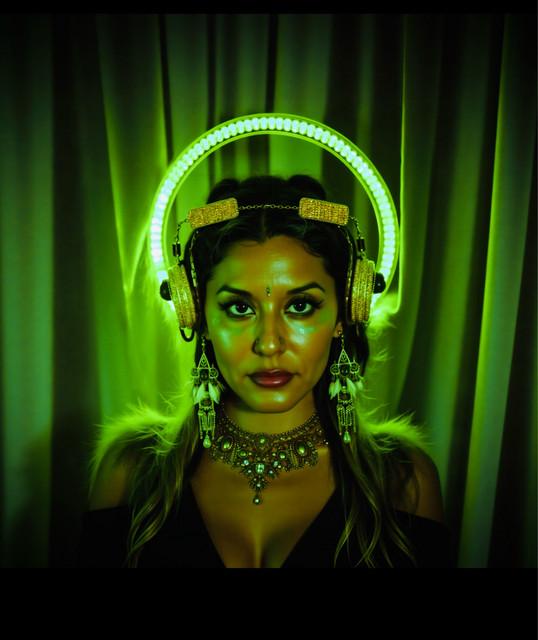
Atomic Skunk’s Spotify BioSan Francisco Bay Area based electronic musician, Rich Brodsky aka Atomic Skunk, weaves together ambient field recordings, lush pads, and organic acoustic instruments with high-tech arpeggiated synths, glitchy, chaotic rhythms, and haunting melodies to create a unique psychedelic ambient soundscape.
Although he played in traditional western rock bands for many years, Rich has always leaned towards the deconstruction of traditional forms. He has studied non-western music such as Indonesian Gamelan, Indian Ragas, and African drumming and counts these along with ambient artists, The Orb, The Future Sound of London, Carbon Based Lifeforms, Desert Dwellers as well as Pink Floyd and The Grateful Dead as some of his strongest influences.
In early 2009, Rich released his first eight compositions as Atomic Skunk for his debut album, Binary Scenes.
In early 2010, Rich released the follow-up to Binary Scenes, entitled Portal. Portal was followed up in 2011 by his next album, Alchemy. In December,… 2011, Rich released a long form ambient "single" entitled Wintermuse.
As a long term Brain Tumor survivor, Rich took almost eight years off while addressing health concerns, before coming back in 2019. Base Camp was the next offering released in June, 2019, followed up with Cetacea, an oceanic musical odyssey, released in June of 2020.
Rich's next album, First Shaman on Mars is scheduled for a December, 2020 release.
Viberate is a music analytics platform built for A&Rs, artist managers, labels, booking agents, marketers, and artists.
It helps music professionals track artist growth, analyze audience data, monitor playlist activity, compare artists, follow song performance, and identify opportunities across the music market.
Public artist pages provide a free preview of selected artist data. Paid plans provide access to deeper analytics, historical data, charts, comparisons, playlist tools, exports, alerts, reports, and additional professional features.
Yes. Public Viberate artist pages provide selected artist analytics and music data for free.
Viberate also offers a 7-day free trial of the full platform. A credit card is required to start the trial. The trial includes access to the complete product so users can test deeper artist analytics, historical views, playlist insights, comparisons, charts, exports, alerts, and reporting features before choosing a paid plan.
Viberate provides artist analytics across streaming, playlists, social media, video, radio airplay, songs, and audience markets.
Users can analyze Spotify performance, Spotify and Apple Music playlists, YouTube activity, TikTok and Instagram growth, radio spins, song performance, audience locations, demographics, rankings, and overall artist momentum.
Artist profiles also connect to music charts, similar artists, and comparison tools, helping users benchmark performance and evaluate artists in context.
Viberate updates key artist and track data daily.
For followed artists and tracks, selected data is refreshed multiple times per day. This helps teams monitor playlist changes, streaming movement, audience growth, releases, and campaign performance with more current data.
Update frequency can vary depending on the metric and data source.
Yes. Viberate lets users compare up to five artists side by side across streaming, social media, audience, and engagement metrics.
Users can compare fanbase growth, audience demographics, locations, Spotify performance, social metrics, and other artist data over selected time periods.
Artist comparison can be used for A&R scouting, benchmarking, booking decisions, campaign planning, and evaluating artists with similar audiences or market positions.