Atlas Pain

Metal
Folk Metal
 Viberate Rank: 286834
 Viberate Rank: 286834
 Monthly ListenersFollowers
 Subscribers
 Followers
 Followers
 FansTop Spotify Songs
| Track | 7-Day Streams | |
|---|---|---|
1 | 666 | |
2 | 350 | |
3 | 348 | |
4 | 340 | |
5 | 161 |
Top YouTube Videos| Video | 7-Day Views | |
|---|---|---|
1 | 78 | |
2 | 23 | |
3 | 8 | |
4 | 4 | |
5 | 3 |
Monthly ListenersFeatured in Playlists| Playlist | Followers | |
|---|---|---|
1 |  Pirate Music YourFavoriteYank | 37.90K |
2 | Folk Metal / Pagan Metal / Viking Metal Andreh Ausdreh | 16.39K |
3 | Prog Metal Giovanni Pignato | 13.71K |
4 | 🦴Melodic Metalcore🦴 Jan Tore Hylland | 7.62K |
5 |  Sea of Thieves Jack | 6.14K |
Audience| City | Monthly Listeners | |
|---|---|---|
1 |  | 58 |
2 | | 58 |
3 |  | 50 |
4 | | 49 |
5 |  | 47 |
See full performance history, audience data, playlist activity, rankings, comparisons, and more in Viberate music analytics. Start with a free trial, then continue with a paid plan.
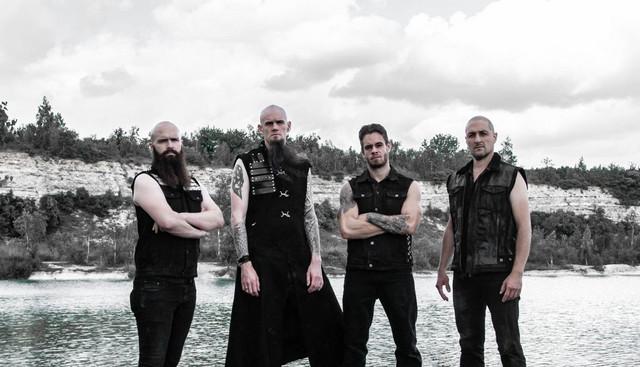
Atlas Pain’s Spotify BioThe band was born in 2013 from Samuele Faulisi‘s mind, with the help of Fabrizio Tartarini, Riccardo Floridia and Louie Raphael.
In 2014 Atlas Pain released a demo showing the real potential of the band, receiving an unexpected positive feedback from the critic that prompted the band to set live concerts from all over northern Italy.
On March 2015 Atlas Pain recorded Behind The Front Page, produced Davide Tavecchia from Twilight Studio – Italy and Maurizio Giannotti of Newmastering Studio. The EP was released on 18th May, accompanied by the lyric video of the first single Each Uisge and followed by dozens of stunning reviews.
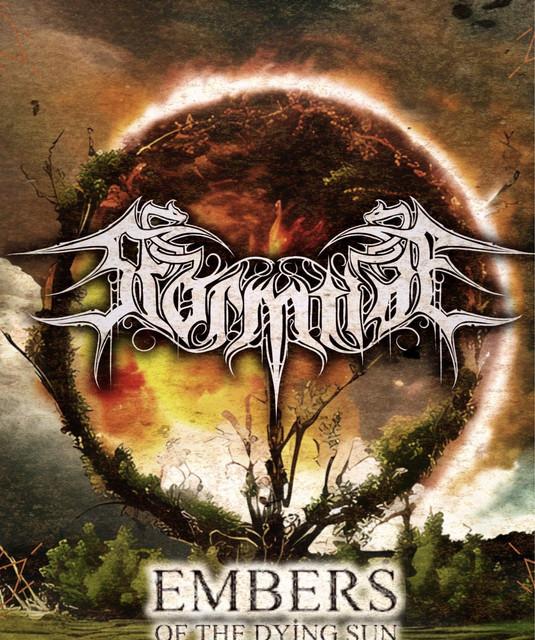
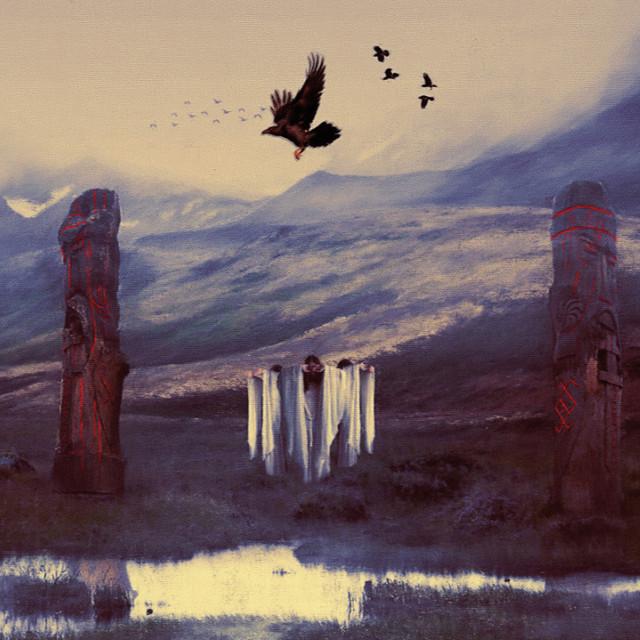
The band recorded its first album What The Oak Left, released in March 2017 by Scarlet Records, at the MediaFactory Studio – Italy. It was mixed and produced by Fabrizio Romani and mastered by Mika Jussila from Finnvox (Nightwish, Children Of Bodom). The cover was created by Darkgrove (Manowar, Korpiklaani).
It immediately reached the number #172 position of the… italian iTunes Metal Chart, more than 600’000 streams of the single ‘To The Moon’ included in the official Spotify playlist ‘Folk Metal Warriors’, included in the Top Album section of Rock Hard Italy.
Many european festivals and club shows followed as support of the album during the following months.
On April 2019 the band released the new album 'Tales Of A Pathfinder' via Scarlet Records, top album on Rock Hard Italy,
Viberate is a music analytics platform built for A&Rs, artist managers, labels, booking agents, marketers, and artists.
It helps music professionals track artist growth, analyze audience data, monitor playlist activity, compare artists, follow song performance, and identify opportunities across the music market.
Public artist pages provide a free preview of selected artist data. Paid plans provide access to deeper analytics, historical data, charts, comparisons, playlist tools, exports, alerts, reports, and additional professional features.
Yes. Public Viberate artist pages provide selected artist analytics and music data for free.
Viberate also offers a 7-day free trial of the full platform. A credit card is required to start the trial. The trial includes access to the complete product so users can test deeper artist analytics, historical views, playlist insights, comparisons, charts, exports, alerts, and reporting features before choosing a paid plan.
Viberate provides artist analytics across streaming, playlists, social media, video, radio airplay, songs, and audience markets.
Users can analyze Spotify performance, Spotify and Apple Music playlists, YouTube activity, TikTok and Instagram growth, radio spins, song performance, audience locations, demographics, rankings, and overall artist momentum.
Artist profiles also connect to music charts, similar artists, and comparison tools, helping users benchmark performance and evaluate artists in context.
Viberate updates key artist and track data daily.
For followed artists and tracks, selected data is refreshed multiple times per day. This helps teams monitor playlist changes, streaming movement, audience growth, releases, and campaign performance with more current data.
Update frequency can vary depending on the metric and data source.
Yes. Viberate lets users compare up to five artists side by side across streaming, social media, audience, and engagement metrics.
Users can compare fanbase growth, audience demographics, locations, Spotify performance, social metrics, and other artist data over selected time periods.
Artist comparison can be used for A&R scouting, benchmarking, booking decisions, campaign planning, and evaluating artists with similar audiences or market positions.