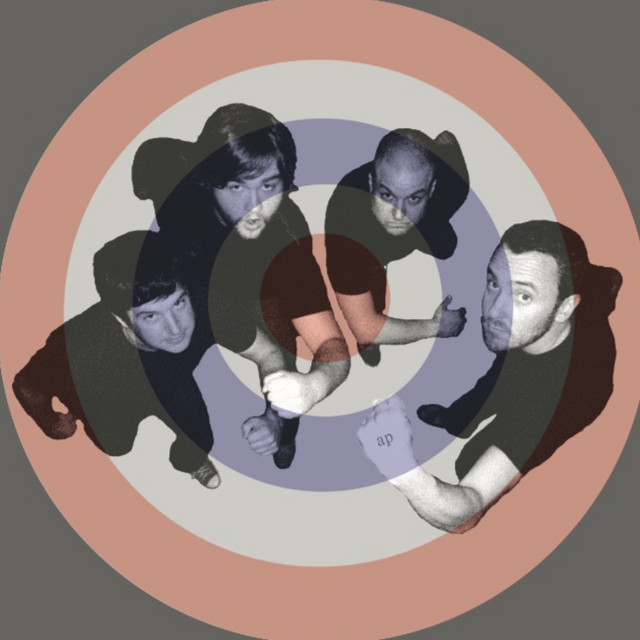
Astronaut Pushers

Rock
Alternative Rock
 Viberate Rank: 904601
 Viberate Rank: 904601
 Monthly ListenersFollowers
 Subscribers
 Followers
 Followers
 FansTop Spotify Songs
| Track | 7-Day Streams | |
|---|---|---|
1 | 12 | |
2 | 2 | |
3 | 1 | |
4 | 1 |
Top YouTube VideosMonthly ListenersFeatured in Playlists| Playlist | Followers | |
|---|---|---|
1 |  While Working from Home Just Keep It Up | 15.97K |
2 |  Indie Rock 🎸 Playlistily | 10.21K |
3 |  SONO Discovery SONO Music Group | 4.26K |
4 |  Rock Anthems of All Eras Ceckyo | 3.37K |
5 |  Indie Essentials Just Keep It Up | 2.72K |
Audience| City | Monthly Listeners | |
|---|---|---|
1 |  | 6 |
2 | | 3 |
3 | | 3 |
See full performance history, audience data, playlist activity, rankings, comparisons, and more in Viberate music analytics. Start with a free trial, then continue with a paid plan.
Astronaut Pushers’ Spotify BioAstronaut Pushers were a short-lived—and now recently reunited—Nashville supergroup featuring Grammy-nominated songwriter Sam Ashworth, John Davis (frontman of Superdrag), Lindsay Jamieson (drummer for Ben Folds and Departure Lounge), and Matt Slocum (of Sixpence None The Richer). Born out of late-night jam sessions and a shared love of genre-spanning music, they built a reputation playing legendary Nashville venues like Slow Bar and Exit/In, drawing in fellow musicians, including Ben Folds and Fleming & John.
The band recorded an EP at Slocum's home studio with producers Taylor Harris and Jacquire King, but momentum stalled when Jamieson joined Ben Folds's touring band. Their self-released EP quickly became a rarity, marking the end of their brief but compelling run. Lost in Ohio gave it a long-overdue reissue on etched vinyl, as well as a digital re-release that included an unreleased fifth track.
Timeless and inventive, Astronaut Pushers' music still sounds fresh today, a testament to… the raw talent and chemistry that fueled their short but memorable time together. As of 2025, the band recently released a new single Fires of Love and is working toward a debut full-length.
Viberate is a music analytics platform built for A&Rs, artist managers, labels, booking agents, marketers, and artists.
It helps music professionals track artist growth, analyze audience data, monitor playlist activity, compare artists, follow song performance, and identify opportunities across the music market.
Public artist pages provide a free preview of selected artist data. Paid plans provide access to deeper analytics, historical data, charts, comparisons, playlist tools, exports, alerts, reports, and additional professional features.
Yes. Public Viberate artist pages provide selected artist analytics and music data for free.
Viberate also offers a 7-day free trial of the full platform. A credit card is required to start the trial. The trial includes access to the complete product so users can test deeper artist analytics, historical views, playlist insights, comparisons, charts, exports, alerts, and reporting features before choosing a paid plan.
Viberate provides artist analytics across streaming, playlists, social media, video, radio airplay, songs, and audience markets.
Users can analyze Spotify performance, Spotify and Apple Music playlists, YouTube activity, TikTok and Instagram growth, radio spins, song performance, audience locations, demographics, rankings, and overall artist momentum.
Artist profiles also connect to music charts, similar artists, and comparison tools, helping users benchmark performance and evaluate artists in context.
Viberate updates key artist and track data daily.
For followed artists and tracks, selected data is refreshed multiple times per day. This helps teams monitor playlist changes, streaming movement, audience growth, releases, and campaign performance with more current data.
Update frequency can vary depending on the metric and data source.
Yes. Viberate lets users compare up to five artists side by side across streaming, social media, audience, and engagement metrics.
Users can compare fanbase growth, audience demographics, locations, Spotify performance, social metrics, and other artist data over selected time periods.
Artist comparison can be used for A&R scouting, benchmarking, booking decisions, campaign planning, and evaluating artists with similar audiences or market positions.