Astral Sleep

Metal
Doom/Sludge Metal
 Viberate Rank: 490352
 Viberate Rank: 490352
 Monthly ListenersFollowers
 Subscribers
 Followers
 Followers
 FansTop Spotify Songs
| Track | 7-Day Streams | |
|---|---|---|
1 | 6 | |
2 | 5 |
Top YouTube VideosMonthly ListenersFeatured in Playlists| Playlist | Followers | |
|---|---|---|
1 |  Doom Metal Radio playlist Solitude Productions | 4.88K |
2 |  HEAVY ROTATION - All New Metal & Hard Rock JEITEMILLER | 1.39K |
3 |  RELEASES OF THE WEEK - iMusician iMusician | 1.10K |
Audience| City | Monthly Listeners | |
|---|---|---|
1 | | 20 |
2 | | 4 |
3 |  | 3 |
See full performance history, audience data, playlist activity, rankings, comparisons, and more in Viberate music analytics. Start with a free trial, then continue with a paid plan.
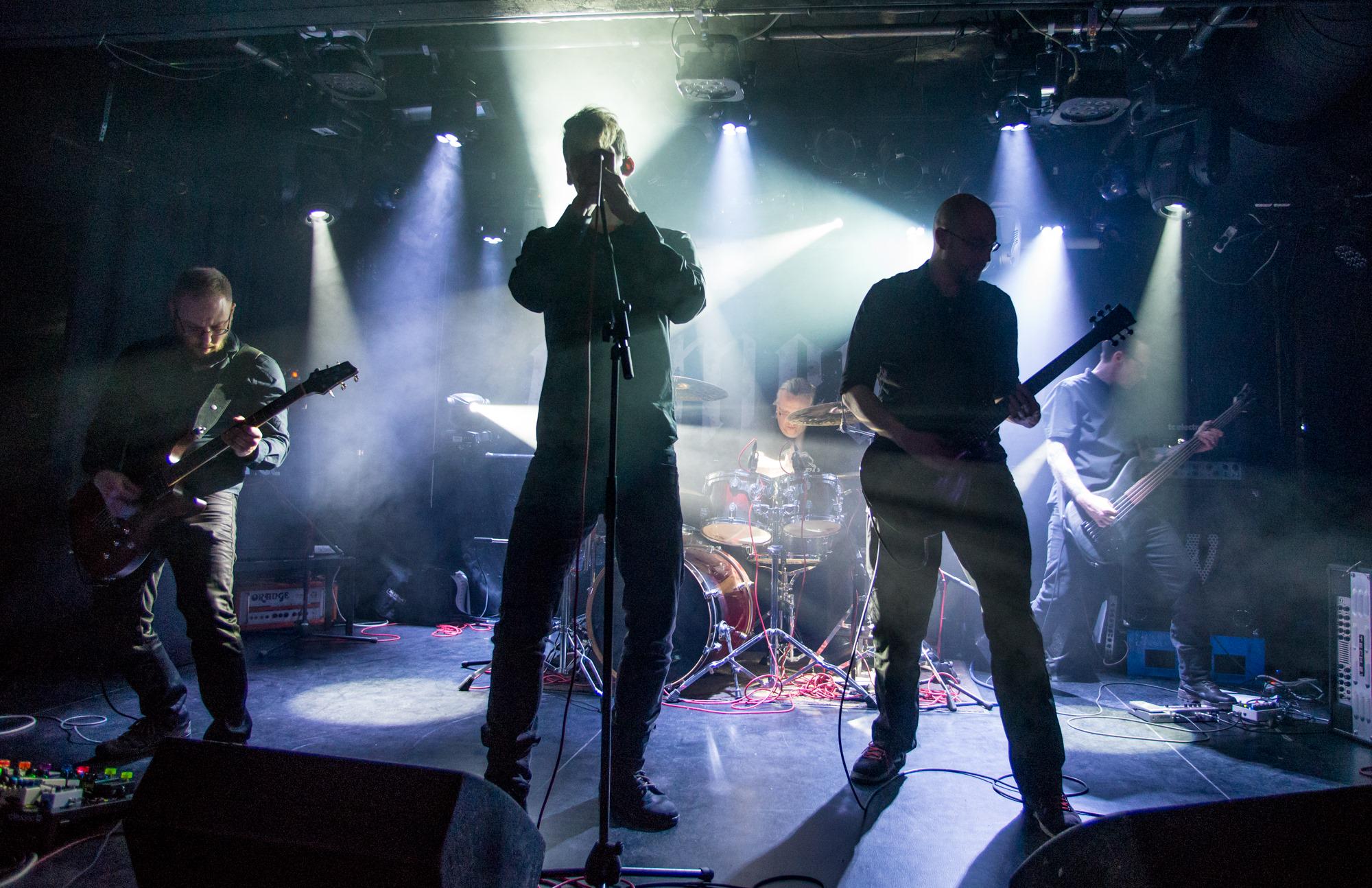
Astral Sleep’s Spotify BioAstral Sleep hails from Finland, Tellus. The group has wreaked havoc on the metal genre since 2005.
Astral Sleep's music fuses various musical styles into an unique entity dubbed "Astral Doom Musick". The boundaries of different sub-genres of Doom are ripped apart, mingled with pieces of jazz, psych-rock, and other styles of metal, and sown back together into the monstrosities that they are. Astral Sleep's mission is finding eternal bliss in the middle of this world, on its trajectory towards Doom.
With the previous album Astral Doom Musick (Saarni Records 2020), Astral Sleep established their accurate genre definition as the namesake of the said album. With the new, 4th full-length, the band continues to evolve within these musical terms, but this time with a direction towards more Doom and Gloom, less Astral and Magical. The new album’s gargantuan soundscape resonates the immensity of the apocalypse portrayed. Beneath the waves of crushing guitars, rumble the drums and the bass, like… volcanoes that erupt under oceans, and above glide the ethereal lead guitars and synths, as the powerful vocals shatter the skies and tremble the earth. We Are Already Living In The End Of Times witnesses the apocalypse as it manifests, and explores the thoughts and feelings that emerge in the face of the Doom.
Viberate is a music analytics platform built for A&Rs, artist managers, labels, booking agents, marketers, and artists.
It helps music professionals track artist growth, analyze audience data, monitor playlist activity, compare artists, follow song performance, and identify opportunities across the music market.
Public artist pages provide a free preview of selected artist data. Paid plans provide access to deeper analytics, historical data, charts, comparisons, playlist tools, exports, alerts, reports, and additional professional features.
Yes. Public Viberate artist pages provide selected artist analytics and music data for free.
Viberate also offers a 7-day free trial of the full platform. A credit card is required to start the trial. The trial includes access to the complete product so users can test deeper artist analytics, historical views, playlist insights, comparisons, charts, exports, alerts, and reporting features before choosing a paid plan.
Viberate provides artist analytics across streaming, playlists, social media, video, radio airplay, songs, and audience markets.
Users can analyze Spotify performance, Spotify and Apple Music playlists, YouTube activity, TikTok and Instagram growth, radio spins, song performance, audience locations, demographics, rankings, and overall artist momentum.
Artist profiles also connect to music charts, similar artists, and comparison tools, helping users benchmark performance and evaluate artists in context.
Viberate updates key artist and track data daily.
For followed artists and tracks, selected data is refreshed multiple times per day. This helps teams monitor playlist changes, streaming movement, audience growth, releases, and campaign performance with more current data.
Update frequency can vary depending on the metric and data source.
Yes. Viberate lets users compare up to five artists side by side across streaming, social media, audience, and engagement metrics.
Users can compare fanbase growth, audience demographics, locations, Spotify performance, social metrics, and other artist data over selected time periods.
Artist comparison can be used for A&R scouting, benchmarking, booking decisions, campaign planning, and evaluating artists with similar audiences or market positions.