ASG

Rock
Stoner Rock
Heavy Metal
 Viberate Rank: 134378
 Viberate Rank: 134378
 Monthly ListenersFollowers
 Subscribers
 Followers
 Followers
 FansTop Spotify Songs
| Track | 7-Day Streams | |
|---|---|---|
1 | 4.01K | |
2 | 3.34K | |
3 | 3.03K | |
4 | 2.38K | |
5 | 1.61K |
Top YouTube VideosMonthly ListenersFeatured in Playlists| Playlist | Followers | |
|---|---|---|
1 |  Stoner Rock & Psychedelic Space Rock StonerRock.Space | 36.07K |
2 |  Stoner Rock A-Z boogievan | 24.16K |
3 |  Stoner Metal The Brick | 21.40K |
4 |  Skate 2 Soundtrack DYLAN LOGAN. | 14.52K |
5 |  Stoner Rock HEAVY PsychEdelic Stoner Guitar, Fuzz & PsychOdelic Space Rock, Jam Rock, Desert & DOOM Brad.Swartz.00 | 7.14K |
Audience| City | Monthly Listeners | |
|---|---|---|
1 | | 498 |
2 | | 380 |
3 |  | 351 |
4 | | 343 |
5 | | 337 |
See full performance history, audience data, playlist activity, rankings, comparisons, and more in Viberate music analytics. Start with a free trial, then continue with a paid plan.
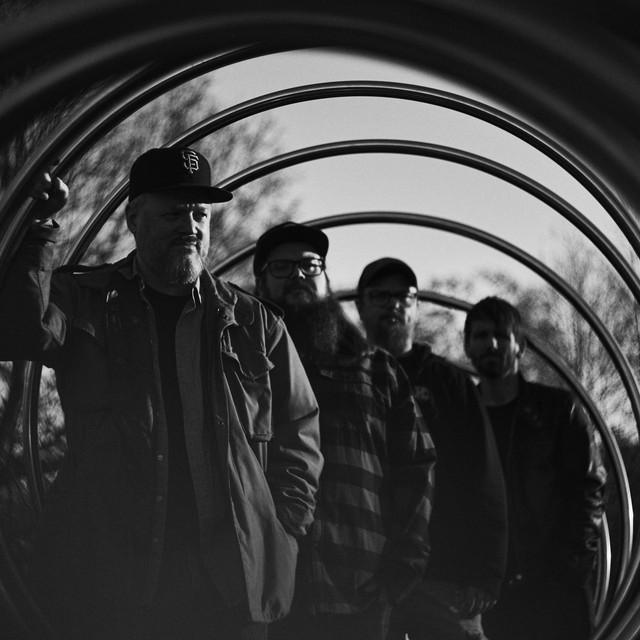
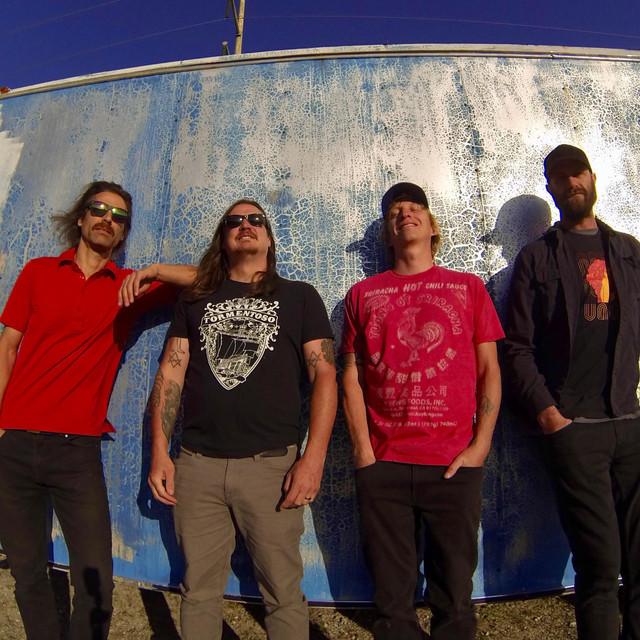
ASG’s Spotify BioHard-hitting Southern rockers ASG formed in 2001 with an appropriately propulsive moniker and ethos: "All Systems Go." Performing stoner metal with electrifying energy inspired by Queens of the Stone Age, the Wilmington, North Carolina band released a handful of efforts with Volcom Entertainment and producer Matt Hyde, including Feelin' Good Is Good Enough (2005) and Win Us Over (2007) before joining Relapse Records for 2013's Blood Drive and 2018's Survive Sunrise.
Founded by original quartet Jason Shi (vocals, guitar), Andy Ellis (bass), Scott Key (drums), and Jonah Citty (guitar), ASG employs a muscular blend of punk, southern rock, and stoner metal that has drawn comparisons to artists like Queens of the Stone Age, Torche, and Kyuss. They self-released their eponymous debut/demo in 2002 before inking a deal with Volcom Entertainment and issuing their official debut, 2003's Amplification of Self Gratification. The pummeling Feelin' Good Is Good Enough arrived in 2005, their first… produced by Matt Hyde (Slayer, Monster Magnet). ASG followed with Win Us Over in 2008, which featured Dwarves' vocalist Blag Dahlia on "Palm Springs." A best-of collection and various split releases were issued over the following years, but there would be a long gap between albums. After signing with Relapse Records in late 2011, it took another two years for their fifth album to arrive.
Blood Drive, their first long-player for Relapse, was released in 2013. With Hyde once again at the helm, the album featured "Day's Work" and "Scrappy's Trip." Their sixth effort, Survive Sunrise, was issued in 2018 after another extended gap. ~ James Christopher Monger & Neil Z. Yeung, Rovi
Viberate is a music analytics platform built for A&Rs, artist managers, labels, booking agents, marketers, and artists.
It helps music professionals track artist growth, analyze audience data, monitor playlist activity, compare artists, follow song performance, and identify opportunities across the music market.
Public artist pages provide a free preview of selected artist data. Paid plans provide access to deeper analytics, historical data, charts, comparisons, playlist tools, exports, alerts, reports, and additional professional features.
Yes. Public Viberate artist pages provide selected artist analytics and music data for free.
Viberate also offers a 7-day free trial of the full platform. A credit card is required to start the trial. The trial includes access to the complete product so users can test deeper artist analytics, historical views, playlist insights, comparisons, charts, exports, alerts, and reporting features before choosing a paid plan.
Viberate provides artist analytics across streaming, playlists, social media, video, radio airplay, songs, and audience markets.
Users can analyze Spotify performance, Spotify and Apple Music playlists, YouTube activity, TikTok and Instagram growth, radio spins, song performance, audience locations, demographics, rankings, and overall artist momentum.
Artist profiles also connect to music charts, similar artists, and comparison tools, helping users benchmark performance and evaluate artists in context.
Viberate updates key artist and track data daily.
For followed artists and tracks, selected data is refreshed multiple times per day. This helps teams monitor playlist changes, streaming movement, audience growth, releases, and campaign performance with more current data.
Update frequency can vary depending on the metric and data source.
Yes. Viberate lets users compare up to five artists side by side across streaming, social media, audience, and engagement metrics.
Users can compare fanbase growth, audience demographics, locations, Spotify performance, social metrics, and other artist data over selected time periods.
Artist comparison can be used for A&R scouting, benchmarking, booking decisions, campaign planning, and evaluating artists with similar audiences or market positions.