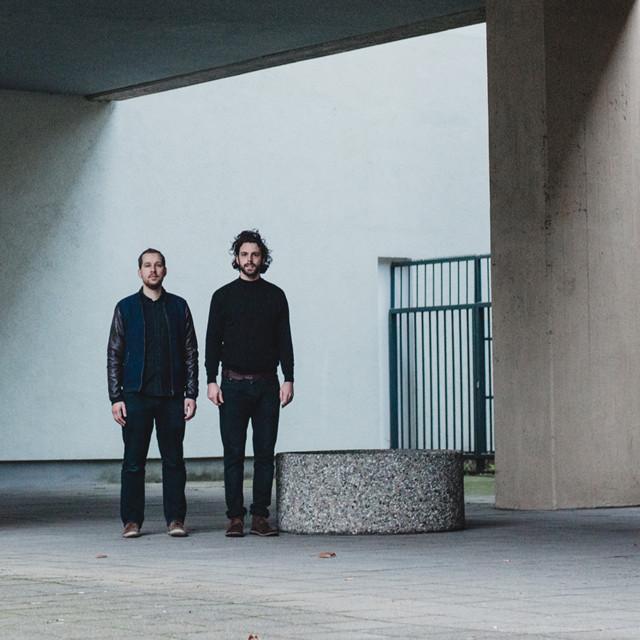
Artefakt

Electronic
Techno
Dub Techno
 Viberate Rank: 184940
 Viberate Rank: 184940
 Monthly ListenersFollowers
 Subscribers
 Followers
 Followers
 FansTop Spotify Songs
| Track | 7-Day Streams | |
|---|---|---|
1 | 698 | |
2 | 675 | |
3 | 641 | |
4 | 551 | |
5 | 376 |
Top YouTube VideosMonthly ListenersFeatured in Playlists| Playlist | Followers | |
|---|---|---|
1 |  Sora Ambient Spotify | 96.79K |
2 |  BERLIN TECHNO Ferdinand von Eltz-Rübenach | 73.33K |
3 | Boiler Room Bartholomew Cronin | 51.09K |
4 |  HÖR BERLIN Rhadamanthus | 40.07K |
5 | Berghain Music Roman Wäger | 39.72K |
Audience| City | Monthly Listeners | |
|---|---|---|
1 | | 348 |
2 |  | 250 |
3 |  | 173 |
4 |  | 120 |
5 | | 119 |
See full performance history, audience data, playlist activity, rankings, comparisons, and more in Viberate music analytics. Start with a free trial, then continue with a paid plan.
Artefakt’s Spotify BioArtefakt set the foundation for their signature deep, entrancing sound with the milestone record Mirror Society in 2012 on Field Records. Established by Nick Lapien and Robin Koek, the duo quickly positioned themselves in the scene through melancholic, hypnotic techno. After 14 years of collaboration, the project continues as a solo endeavor under Nick Lapien from late 2025 onwards.
The sound remains pensive with deep, rich textures. Long track lengths—often six minutes or more—give Artefakt space for subtle shifts in tone and texture, creating balanced, cerebral atmospheres that absorb and engage. “Sometimes it just takes a short element, like the sound of a falling drop of water, and from this recording extract the rhythm and use it as a starting point,” says Artefakt. “It’s a very organic way of creating new material.”
As a live act, Artefakt has performed across Europe, North America, and Asia, the analog-heavy set a must-see for fans of melodic, emotive techno. Drawing on a deep… love of record collecting, Artefakt also performs as a DJ, crafting long hypnotic narratives often laced with exclusive material.
Through releases on the Dutch imprints Field and Delsin Records, Artefakt has placed itself at the center of soundscape-informed techno while continuing to explore collaboration through the imprint De Stijl. In the world of Artefakt, music is not just heard—it is felt and lived.
Viberate is a music analytics platform built for A&Rs, artist managers, labels, booking agents, marketers, and artists.
It helps music professionals track artist growth, analyze audience data, monitor playlist activity, compare artists, follow song performance, and identify opportunities across the music market.
Public artist pages provide a free preview of selected artist data. Paid plans provide access to deeper analytics, historical data, charts, comparisons, playlist tools, exports, alerts, reports, and additional professional features.
Yes. Public Viberate artist pages provide selected artist analytics and music data for free.
Viberate also offers a 7-day free trial of the full platform. A credit card is required to start the trial. The trial includes access to the complete product so users can test deeper artist analytics, historical views, playlist insights, comparisons, charts, exports, alerts, and reporting features before choosing a paid plan.
Viberate provides artist analytics across streaming, playlists, social media, video, radio airplay, songs, and audience markets.
Users can analyze Spotify performance, Spotify and Apple Music playlists, YouTube activity, TikTok and Instagram growth, radio spins, song performance, audience locations, demographics, rankings, and overall artist momentum.
Artist profiles also connect to music charts, similar artists, and comparison tools, helping users benchmark performance and evaluate artists in context.
Viberate updates key artist and track data daily.
For followed artists and tracks, selected data is refreshed multiple times per day. This helps teams monitor playlist changes, streaming movement, audience growth, releases, and campaign performance with more current data.
Update frequency can vary depending on the metric and data source.
Yes. Viberate lets users compare up to five artists side by side across streaming, social media, audience, and engagement metrics.
Users can compare fanbase growth, audience demographics, locations, Spotify performance, social metrics, and other artist data over selected time periods.
Artist comparison can be used for A&R scouting, benchmarking, booking decisions, campaign planning, and evaluating artists with similar audiences or market positions.