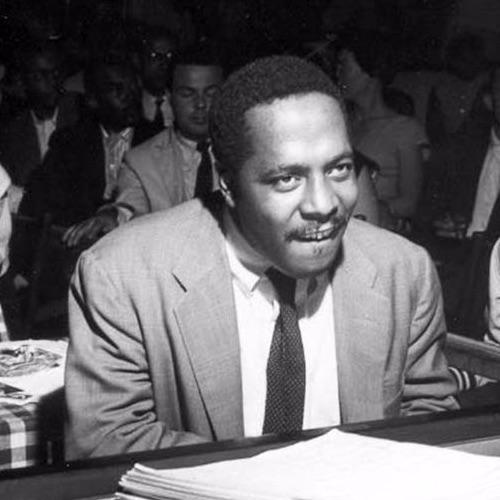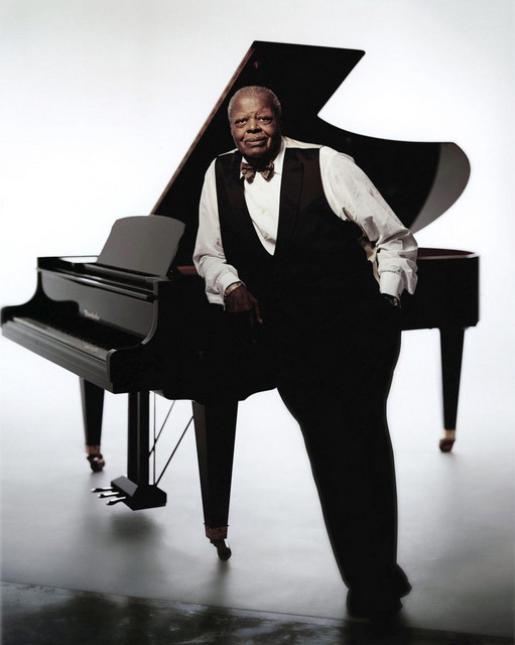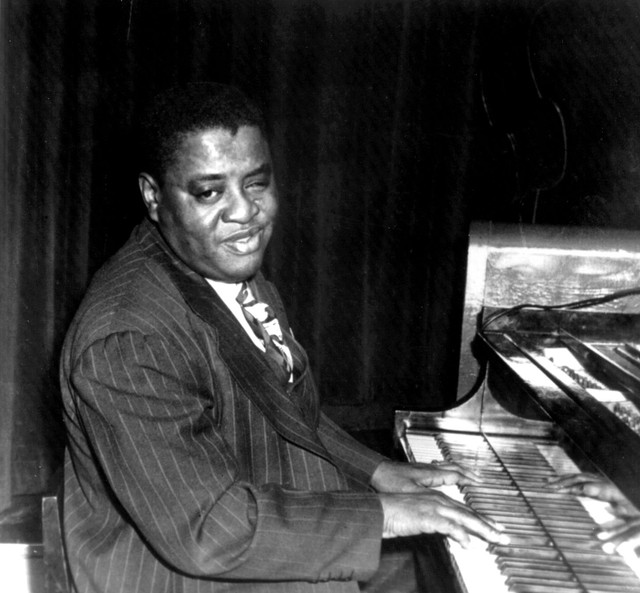
Art Tatum

Jazz
Swing
Smooth Jazz
 Viberate Rank: 52231
 Viberate Rank: 52231
 Monthly ListenersFollowers
 Subscribers
 Followers
 Followers
 FansTop Spotify Songs
| Track | 7-Day Streams | |
|---|---|---|
1 | 32.85K | |
2 | 14.24K | |
3 | 11.57K | |
4 | 9.27K | |
5 | 7.29K |
Top YouTube VideosMonthly ListenersFeatured in Playlists| Playlist | Followers | |
|---|---|---|
1 |  Jazz Classics Spotify | 5.08M |
2 |  French Cafe Lounge Kam Diba | 469.40K |
3 |  jazz bar in nyc🎷 mishelle | 455.35K |
4 |  Instrumental Jazz Standards Spotify | 184.20K |
5 |  Just Jazz Spotify | 173.76K |
Audience| City | Monthly Listeners | |
|---|---|---|
1 | | 2.55K |
2 |  | 2.33K |
3 | | 1.83K |
4 |  | 1.76K |
5 | | 1.58K |
See full performance history, audience data, playlist activity, rankings, comparisons, and more in Viberate music analytics. Start with a free trial, then continue with a paid plan.
Art Tatum’s Spotify BioArt Tatum was among the most extraordinary of all jazz musicians, a pianist with wondrous technique who could not only play ridiculously rapid lines with both hands (his 1933 solo version of "Tiger Rag" sounds as if there were three pianists jamming together) but was harmonically 30 years ahead of his time; all pianists have to deal to a certain extent with Tatum's innovations in order to be taken seriously. Able to play stride, swing, and boogie-woogie with speed and complexity that could only previously be imagined, Tatum's quick reflexes and boundless imagination kept his improvisations filled with fresh (and sometimes futuristic) ideas that put him way ahead of his contemporaries.
Born nearly blind, Tatum gained some formal piano training at the Toledo School of Music but was largely self-taught. Although influenced a bit by Fats Waller and the semi-classical pianists of the 1920s, there is really no explanation for where Tatum gained his inspiration and ideas from. He first played… professionally in Toledo in the mid-'20s and had a radio show during 1929-1930. In 1932 Tatum traveled with singer Adelaide Hall to New York and made his recording debut accompanying Hall (as one of two pianists). But for those who had never heard him in person, it was his solos of 1933 (including "Tiger Rag") that announced the arrival of a truly major talent. In the 1930s, Tatum spent periods working in Cleveland, Chicago, New York, Los Angeles, and (in 1938) England. Although he led a popular trio with guitarist Tiny Grimes (later Everett Barksdale) and bassist Slam Stewart in the mid-'40s, Tatum spent most of his life as a solo pianist who could always scare the competition. Some observers criticized him for having too much technique (is such a thing possible?), working out and then keeping the same arrangements for particular songs, and for using too many notes, but those minor reservations pale when compared to Tatum's reworkings of such tunes as "Yesterdays," "Begin the Beguine," and even "Humoresque." Although he was not a composer, Tatum's rearrangements of standards made even warhorses sound like new compositions.
Art Tatum, who recorded for Decca throughout the 1930s and Capitol in the late '40s, starred at the Esquire Metropolitan Opera House concert of 1944 and appeared briefly in his only film in 1947, The Fabulous Dorseys (leading a jam session on a heated blues). He recorded extensively for Norman Granz near the end of his life in the 1950s, both solo and with all-star groups; all of the music has been reissued by Pablo on a six-CD box set. His premature death from uremia has not resulted in any loss of fame, for Art Tatum's recordings still have the ability to scare modern pianists. ~ Scott Yanow, Rovi
Viberate is a music analytics platform built for A&Rs, artist managers, labels, booking agents, marketers, and artists.
It helps music professionals track artist growth, analyze audience data, monitor playlist activity, compare artists, follow song performance, and identify opportunities across the music market.
Public artist pages provide a free preview of selected artist data. Paid plans provide access to deeper analytics, historical data, charts, comparisons, playlist tools, exports, alerts, reports, and additional professional features.
Yes. Public Viberate artist pages provide selected artist analytics and music data for free.
Viberate also offers a 7-day free trial of the full platform. A credit card is required to start the trial. The trial includes access to the complete product so users can test deeper artist analytics, historical views, playlist insights, comparisons, charts, exports, alerts, and reporting features before choosing a paid plan.
Viberate provides artist analytics across streaming, playlists, social media, video, radio airplay, songs, and audience markets.
Users can analyze Spotify performance, Spotify and Apple Music playlists, YouTube activity, TikTok and Instagram growth, radio spins, song performance, audience locations, demographics, rankings, and overall artist momentum.
Artist profiles also connect to music charts, similar artists, and comparison tools, helping users benchmark performance and evaluate artists in context.
Viberate updates key artist and track data daily.
For followed artists and tracks, selected data is refreshed multiple times per day. This helps teams monitor playlist changes, streaming movement, audience growth, releases, and campaign performance with more current data.
Update frequency can vary depending on the metric and data source.
Yes. Viberate lets users compare up to five artists side by side across streaming, social media, audience, and engagement metrics.
Users can compare fanbase growth, audience demographics, locations, Spotify performance, social metrics, and other artist data over selected time periods.
Artist comparison can be used for A&R scouting, benchmarking, booking decisions, campaign planning, and evaluating artists with similar audiences or market positions.