Art Lande

Jazz
Smooth Jazz
Jazz Fusion
 Viberate Rank: 500052
 Viberate Rank: 500052
 Monthly ListenersFollowers
 Subscribers
 Followers
 Followers
 FansTop Spotify Songs
| Track | 7-Day Streams | |
|---|---|---|
1 | 214 | |
2 | 130 | |
3 | 115 | |
4 | 69 | |
5 | 68 |
Top YouTube VideosMonthly ListenersFeatured in Playlists| Playlist | Followers | |
|---|---|---|
1 | jazz,funk,soul,blues,afrobeat,latin İlker Özalp | 11.48K |
2 |  The Best of Windham Hill plus... eich08 | 8.18K |
3 |  ECM Records: 1001 - 1999 Ulysses' Classical | 6.46K |
4 |  ECM Yves Riviere | 5.39K |
5 |  Digging in the Crates: Rare Grooves + Samples Tim Noakes | 4.67K |
Audience| City | Monthly Listeners | |
|---|---|---|
1 | | 23 |
2 | | 22 |
3 |  | 16 |
4 |  | 15 |
5 | | 15 |
See full performance history, audience data, playlist activity, rankings, comparisons, and more in Viberate music analytics. Start with a free trial, then continue with a paid plan.
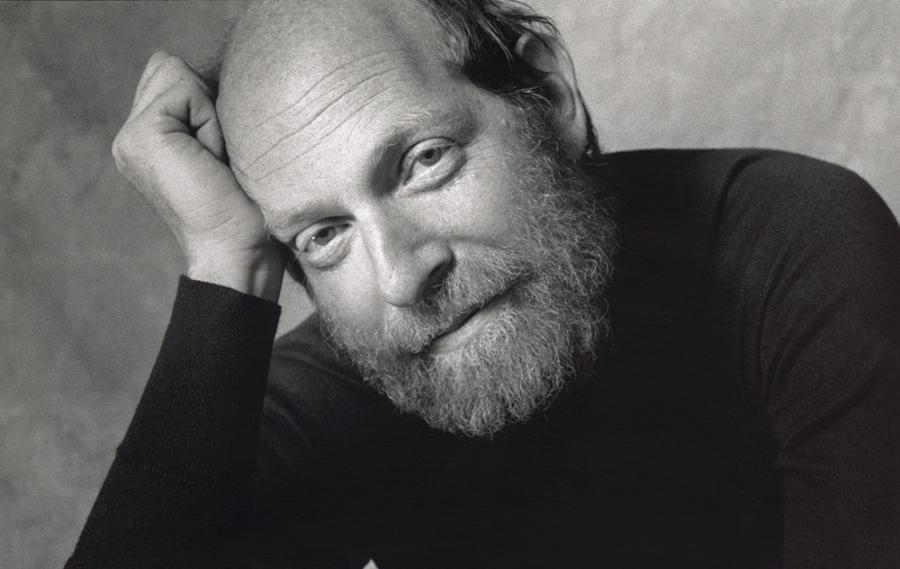
Art Lande’s Spotify BioAn adventurous yet subtle improviser, Art Lande has long been one of the top jazz pianists based in Colorado, which accounts for his regional fame but general lack of notoriety despite his talents and originality. He started having classical lessons when he was four, studied at Williams College, and moved to San Francisco in 1969. Lande, who occasionally played electric piano in the 1970s, has mostly carved out his own singular path throughout his career, taking the innovations of Bill Evans several steps further. In 1973 he recorded with Jan Garbarek and Ted Curson and in the mid-'70s had started his own jazz school. In 1976 he formed the quartet Rubisa Patrol, which recorded for ECM and lasted until 1983. After teaching for three years in Switzerland, Lande moved to Boulder, CO, in 1987. As a leader, Lande has recorded for ECM (four albums during 1973, 1976, 1977, and 1981), 1750 Arch (1977-1978), and the Great American Music Hall label (two sets during 1987-1988). ~ Scott Yanow,… Rovi
Viberate is a music analytics platform built for A&Rs, artist managers, labels, booking agents, marketers, and artists.
It helps music professionals track artist growth, analyze audience data, monitor playlist activity, compare artists, follow song performance, and identify opportunities across the music market.
Public artist pages provide a free preview of selected artist data. Paid plans provide access to deeper analytics, historical data, charts, comparisons, playlist tools, exports, alerts, reports, and additional professional features.
Yes. Public Viberate artist pages provide selected artist analytics and music data for free.
Viberate also offers a 7-day free trial of the full platform. A credit card is required to start the trial. The trial includes access to the complete product so users can test deeper artist analytics, historical views, playlist insights, comparisons, charts, exports, alerts, and reporting features before choosing a paid plan.
Viberate provides artist analytics across streaming, playlists, social media, video, radio airplay, songs, and audience markets.
Users can analyze Spotify performance, Spotify and Apple Music playlists, YouTube activity, TikTok and Instagram growth, radio spins, song performance, audience locations, demographics, rankings, and overall artist momentum.
Artist profiles also connect to music charts, similar artists, and comparison tools, helping users benchmark performance and evaluate artists in context.
Viberate updates key artist and track data daily.
For followed artists and tracks, selected data is refreshed multiple times per day. This helps teams monitor playlist changes, streaming movement, audience growth, releases, and campaign performance with more current data.
Update frequency can vary depending on the metric and data source.
Yes. Viberate lets users compare up to five artists side by side across streaming, social media, audience, and engagement metrics.
Users can compare fanbase growth, audience demographics, locations, Spotify performance, social metrics, and other artist data over selected time periods.
Artist comparison can be used for A&R scouting, benchmarking, booking decisions, campaign planning, and evaluating artists with similar audiences or market positions.