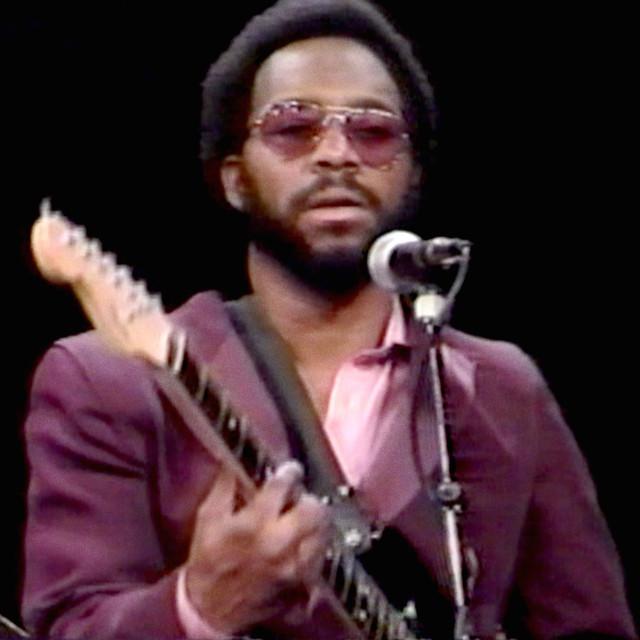
Art Feynman

Electronic
Other Electronic Music
Indie Rock
 Viberate Rank: 185362
 Viberate Rank: 185362
 Monthly ListenersFollowers
 Subscribers
 Followers
 Followers
 FansTop Spotify Songs
| Track | 7-Day Streams | |
|---|---|---|
1 | 4.29K | |
2 | 2.69K | |
3 | 1.59K | |
4 | 1.38K | |
5 | 1.13K |
Top YouTube VideosMonthly ListenersFeatured in Playlists| Playlist | Followers | |
|---|---|---|
1 |  Modern Psychedelia Spotify | 904.58K |
2 | Trip Hop // Beats Lapgan | 67.29K |
3 |  ⭕ FEEL MY BICEP PLAYLIST ⭕ Bicep | 35.05K |
4 |  Maya Jane Coles' track IDs Spotify | 16.25K |
5 |  Frankie Frank Lobrecht | 15.72K |
Audience| City | Monthly Listeners | |
|---|---|---|
1 |  | 1.03K |
2 |  | 782 |
3 |  | 682 |
4 | | 671 |
5 | | 598 |
See full performance history, audience data, playlist activity, rankings, comparisons, and more in Viberate music analytics. Start with a free trial, then continue with a paid plan.
Art Feynman’s Spotify BioBlending dissipating pop structures, psychedelia, worldbeat, and cosmic folktronica adjacent to some of his work under his own name, Art Feynman is an alias for visual artist and indie singer/songwriter Luke Temple. He adopted the persona of the animist musician around the time the longtime New Yorker switched coasts and settled down in California in 2016. The project's first two full-lengths, 2017's Blast Off Through the Wicker and 2020's Half Price at 3:30, were strictly solo affairs, while 2023's Be Good the Crazy Boys found Temple recording his equally playful and anxious art pop live in the studio with a full band.
After Luke Temple relocated to rural Northern California following two decades in New York City, he released his first Art Feynman track, a six-minute instrumental incorporating environmental sounds ("Rice"), in April 2016. Obscuring his face in promotional material, he followed it a year later with the Krautrock-influenced stand-alone single "The Shape You're In," which… addressed contemporary technology and politics. Recorded with a four-track tape recorder, the full-length Blast Off Through the Wicker arrived in July 2017 on Western Vinyl, which had issued albums by both solo Temple and his band Here We Go Magic. As Feynman, he toured the U.S. in support of Stereolab's Laetitia Sadier, then issued the Near Negative EP that December. The Luke Temple album Both-And arrived on Native Cat Recordings in 2019 before Art Feynman -- still obscuring his face in promotional artwork -- reappeared on Western Vinyl with the 2020 long-player Half Price at 3:30, another entirely solo recording.
Having lived in relative isolation for six years, Temple then moved downstate to Los Angeles and recorded his third Art Feynman album live in the studio with a band. With Temple describing Feynman as part of the collective consciousness struggling with everything from FOMO to potential societal collapse, he cited influences including Talking Heads' Remain in Light, Lizzy Mercier Descloux's Mambo Nassau, and Grace Jones' Private Life -- all recorded at least partly at Compass Point Studios in the Bahamas -- for 2023's Be Good the Crazy Boys. It arrived on Western Vinyl that November. ~ Marcy Donelson, Rovi
Viberate is a music analytics platform built for A&Rs, artist managers, labels, booking agents, marketers, and artists.
It helps music professionals track artist growth, analyze audience data, monitor playlist activity, compare artists, follow song performance, and identify opportunities across the music market.
Public artist pages provide a free preview of selected artist data. Paid plans provide access to deeper analytics, historical data, charts, comparisons, playlist tools, exports, alerts, reports, and additional professional features.
Yes. Public Viberate artist pages provide selected artist analytics and music data for free.
Viberate also offers a 7-day free trial of the full platform. A credit card is required to start the trial. The trial includes access to the complete product so users can test deeper artist analytics, historical views, playlist insights, comparisons, charts, exports, alerts, and reporting features before choosing a paid plan.
Viberate provides artist analytics across streaming, playlists, social media, video, radio airplay, songs, and audience markets.
Users can analyze Spotify performance, Spotify and Apple Music playlists, YouTube activity, TikTok and Instagram growth, radio spins, song performance, audience locations, demographics, rankings, and overall artist momentum.
Artist profiles also connect to music charts, similar artists, and comparison tools, helping users benchmark performance and evaluate artists in context.
Viberate updates key artist and track data daily.
For followed artists and tracks, selected data is refreshed multiple times per day. This helps teams monitor playlist changes, streaming movement, audience growth, releases, and campaign performance with more current data.
Update frequency can vary depending on the metric and data source.
Yes. Viberate lets users compare up to five artists side by side across streaming, social media, audience, and engagement metrics.
Users can compare fanbase growth, audience demographics, locations, Spotify performance, social metrics, and other artist data over selected time periods.
Artist comparison can be used for A&R scouting, benchmarking, booking decisions, campaign planning, and evaluating artists with similar audiences or market positions.