Arsis

Metal
Death Metal
 Viberate Rank: 135607
 Viberate Rank: 135607
 Monthly ListenersFollowers
 Subscribers
 Followers
 Followers
 FansTop Spotify Songs
| Track | 7-Day Streams | |
|---|---|---|
1 | 1.96K | |
2 | 1.25K | |
3 | 1.04K | |
4 | 868 | |
5 | 763 |
Top YouTube VideosMonthly ListenersFeatured in Playlists| Playlist | Followers | |
|---|---|---|
1 | Melodic Death Metal patatkoekje | 17.31K |
2 |  Ultimate Melodic Death Metal Loudwire | 14.71K |
3 |  Exoskeleton: Great Metal Covers of Non-Metal Songs glenn mcdonald | 10.94K |
4 | Death Metal Mix 2025 Robin Hassel | 7.44K |
5 |  Ultimate Tech-Death Loudwire | 5.70K |
Audience| City | Monthly Listeners | |
|---|---|---|
1 |  | 249 |
2 | | 205 |
3 | | 185 |
4 |  | 162 |
5 | | 157 |
See full performance history, audience data, playlist activity, rankings, comparisons, and more in Viberate music analytics. Start with a free trial, then continue with a paid plan.
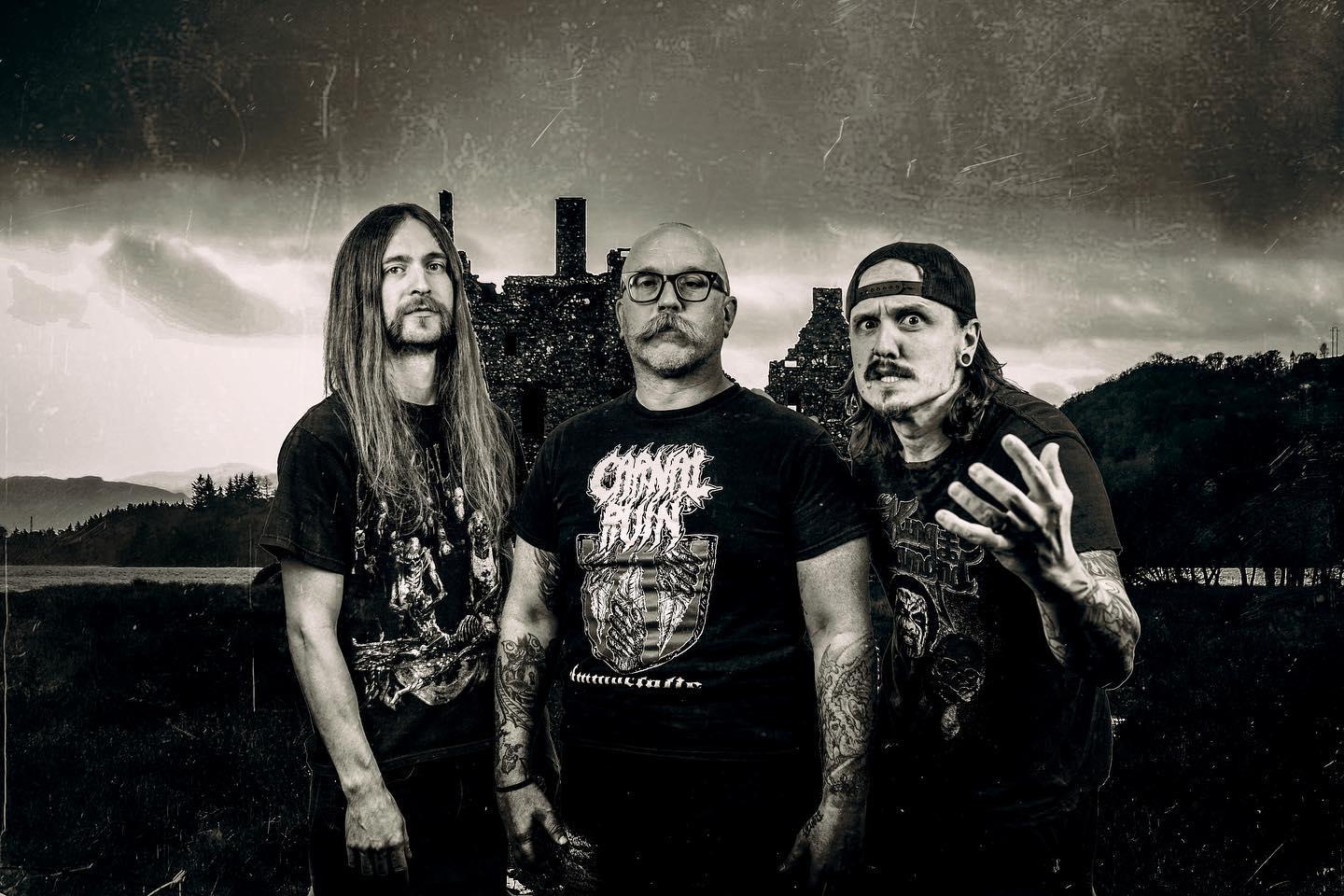
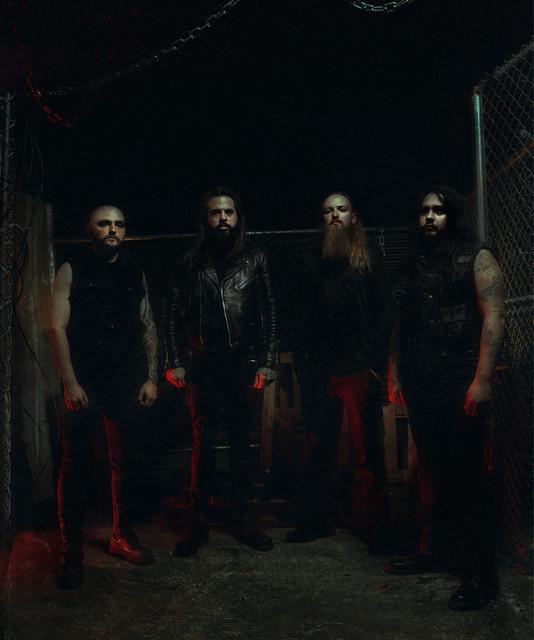
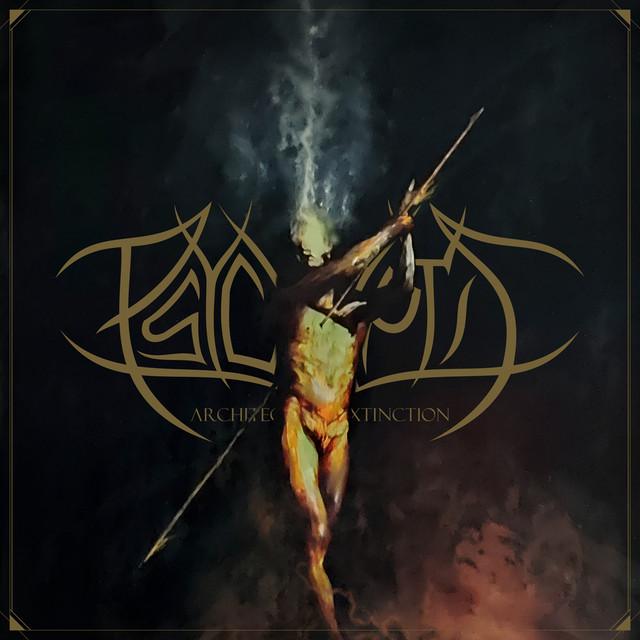
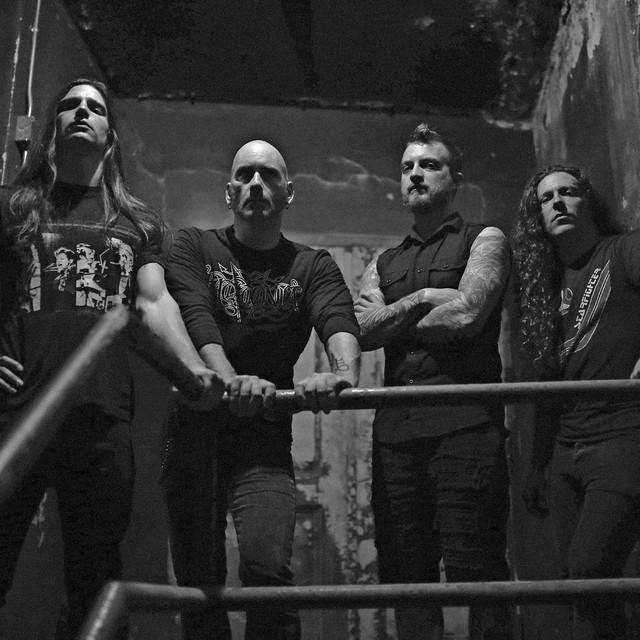
Arsis’ Spotify BioFounded by a violinist and a double bassist, Virginia-based extreme metal outfit Arsis -- a musical term that relates to the original concept of "arsis and thesis," meaning up and down beats, emerged in the early 2000s with a sound that infused Gothenburg-style melodic death metal with technical American thrash. Despite enduring myriad lineup changes -- vocalist/guitarist James Malone is the group's sole constant member -- the band has issued a string of acclaimed albums over the years, including United in Regret (2006), Starve for the Devil (2010), and Visitant (2018).
The group was founded in 2000 by Berklee College of Music students and friends James Malone (violin) and Michael Van Dyne (double bass). With Van Dyne taking up drumming duties (he'd spent time studying drum performance) and multi-instrumentalist Malone handling all the other duties of the group, Arsis recorded their first demo in 2001, and a follow-up in 2002. After playing a handful of live shows and getting some… exposure for their well-received demos, Arsis became a full-time project, signing their first record deal with Willowtip Records in 2004. Their debut for the indie label, A Celebration of Guilt, won them high honors in the metal music press, even earning comparisons to genre legends At the Gates -- specifically their final album, Slaughter of the Soul. Arsis also began their first bout of touring in support of their work at this point, filling out their live ranks with session musicians -- a setup that would continue for a number of years. In 2005, Arsis released the EP A Diamond for Disease, which not only won them even more critical praise, but whose title track was requisitioned by a ballet company in New York, the Ballet Deviare.
Arsis began recording their next full-length in 2006. The album, United in Regret, was a more technical affair, produced by Daath guitarist Eyal Levi, and would help secure the group a deal with Nuclear Blast. Although the band had reached new heights in the national metal scene, including shared stages and tours with such names as Enslaved, Goatwhore, and Cephalic Carnage, drummer and co-founder Michael Van Dyne decided to call it a day. Although down to just one official member, Arsis were ready to push forward. Composer, vocalist, and guitarist James Malone quickly rebounded, putting together a more standard-format full-time band, taking on drummer Darren Cesca, guitarist Ryan Knight, and United in Regret sessions bassist Noah Martin -- for a brief time; due to Malone losing his voice, Mike Parks took over on vocal duties for Arsis. By 2007, Malone was back at the mike, and the band amicably parted ways with Parks. Arsis returned to the fore with their 2008 full-length, We Are the Nightmare, which followed in the footsteps of their previously recorded work, earning them critical praise and helping to shore up higher numbers in their nationwide fan base -- Knight left the fold shortly after the album's release to join Black Dahlia Murder. 2010's critically acclaimed Starve for the Devil saw the return of Van Dyne behind the kit, followed by a lengthy European tour. A new lineup consisting of Malone, bassist Noah Martin, guitarist Brandon Ellis, and drummer Shawn Priest added a charge to 2013's aggressive yet melodic Unwelcome. That same crew was behind 2018's Visitant, which saw Malone looking to his love of horror films for lyrical inspiration. ~ Chris True, Rovi
Viberate is a music analytics platform built for A&Rs, artist managers, labels, booking agents, marketers, and artists.
It helps music professionals track artist growth, analyze audience data, monitor playlist activity, compare artists, follow song performance, and identify opportunities across the music market.
Public artist pages provide a free preview of selected artist data. Paid plans provide access to deeper analytics, historical data, charts, comparisons, playlist tools, exports, alerts, reports, and additional professional features.
Yes. Public Viberate artist pages provide selected artist analytics and music data for free.
Viberate also offers a 7-day free trial of the full platform. A credit card is required to start the trial. The trial includes access to the complete product so users can test deeper artist analytics, historical views, playlist insights, comparisons, charts, exports, alerts, and reporting features before choosing a paid plan.
Viberate provides artist analytics across streaming, playlists, social media, video, radio airplay, songs, and audience markets.
Users can analyze Spotify performance, Spotify and Apple Music playlists, YouTube activity, TikTok and Instagram growth, radio spins, song performance, audience locations, demographics, rankings, and overall artist momentum.
Artist profiles also connect to music charts, similar artists, and comparison tools, helping users benchmark performance and evaluate artists in context.
Viberate updates key artist and track data daily.
For followed artists and tracks, selected data is refreshed multiple times per day. This helps teams monitor playlist changes, streaming movement, audience growth, releases, and campaign performance with more current data.
Update frequency can vary depending on the metric and data source.
Yes. Viberate lets users compare up to five artists side by side across streaming, social media, audience, and engagement metrics.
Users can compare fanbase growth, audience demographics, locations, Spotify performance, social metrics, and other artist data over selected time periods.
Artist comparison can be used for A&R scouting, benchmarking, booking decisions, campaign planning, and evaluating artists with similar audiences or market positions.