Arrigo Barnabe

Jazz
Jazz Fusion
Alternative Rock
 Viberate Rank: 141660
 Viberate Rank: 141660
 Monthly ListenersFollowers
 Subscribers
 Followers
 Followers
 FansTop Spotify Songs
| Track | 7-Day Streams | |
|---|---|---|
1 | 1.92K | |
2 | 726 | |
3 | 660 | |
4 | 588 | |
5 | 560 |
Top YouTube VideosMonthly ListenersFeatured in Playlists| Playlist | Followers | |
|---|---|---|
1 |  Ney Matogrosso - As Melhores Vozes da MPB | 43.97K |
2 |  j*zz for crazy people Sam Revaz | 9.10K |
3 |  A Maior Playlist de Música Brasileira do Mundo Petrobras | 9.01K |
4 |  Madlib: Crate Diggin' dwelyn | 6.54K |
5 | POPULAR BRASILEIRA Rodolfo Quaggio | 4.36K |
Audience| City | Monthly Listeners | |
|---|---|---|
1 | | 2.58K |
2 | | 709 |
3 | | 488 |
4 | | 364 |
5 | | 360 |
See full performance history, audience data, playlist activity, rankings, comparisons, and more in Viberate music analytics. Start with a free trial, then continue with a paid plan.
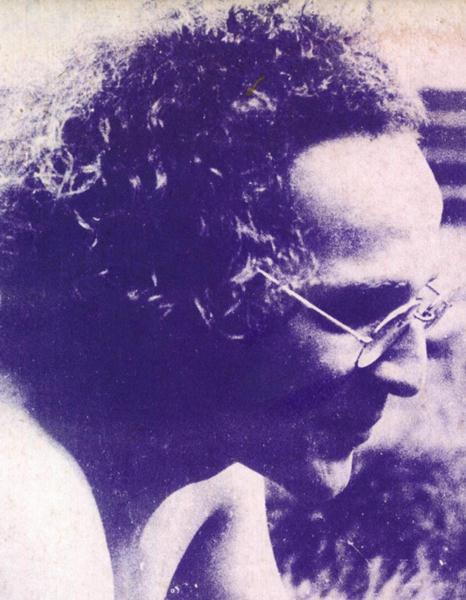
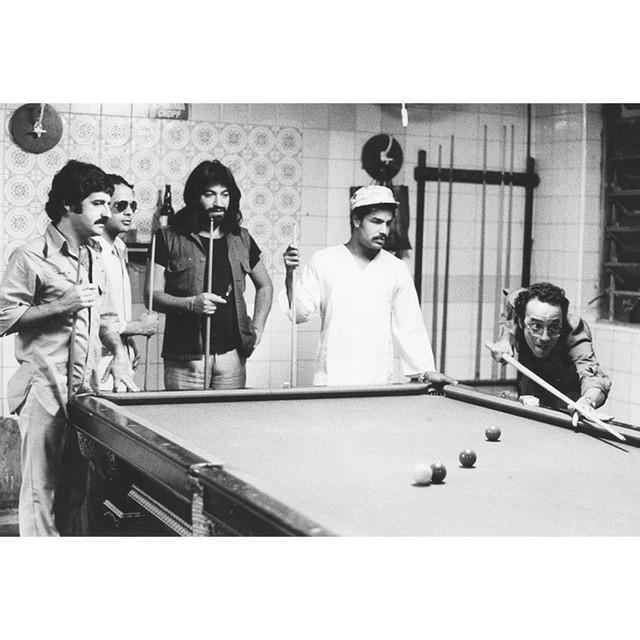
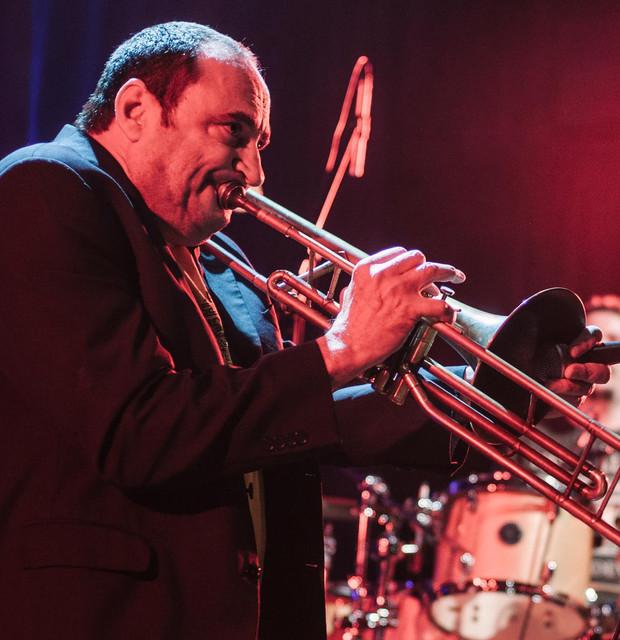
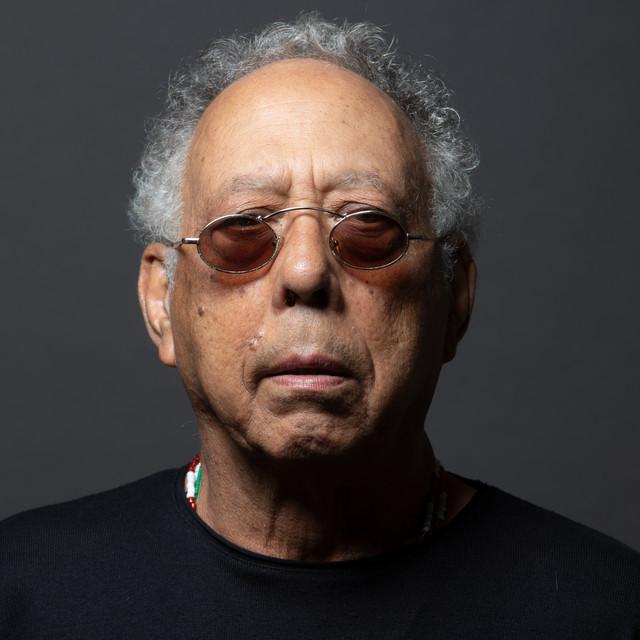
Arrigo Barnabe’s Spotify BioOne of the first and most talented proponents of the Vanguarda Paulistana movement (urban classically trained musicians of the city of São Paulo who added erudite experimentations to pop music), Arrigo Barnabé is an internationally awarded composer/arranger with an expressive contribution to Brazilian music.
He studied at the University of São Paulo, at the Music College of ECA, from 1974 to 1979. He wrote the highly successful song "Clara Crocodilo" (with Mário Lúcio Cortes) and in 1976, he founded the Banda Navalha with Itamar Assumpção. In 1979, he won TV Cultura's MPB Festival with "Diversões Eletrônicas," a "song" that brought out the idea of the song (accompanied sung melody). At TV Tupi's MPB Festival, he won first place and other awards with "Sabor de Veneno," which aroused considerable polemics. Barnabé released the LP "Clara Crocodilo" in 1980, followed by a national tour. The album was awarded next year with the APCA (São Paulo's Art Critics' Association) prize. In 1982, he… participated in the Berlin Jazz Festival with the Arrigo Barnabé Project. Barnabé's first project for a motion picture was his creation of the music for the film Janete, directed by Chico Botelho. He was later honored with the award for Best Soundtrack at the Film Festival of Gramado in southern Brazil. In 1984, he also released his second album (through Barclay), Tubarões Voadores (Flying Sharks) which was selected by the French magazine Jazz Hot as one of two best jazz albums of the year. In 1985, Barnabé worked as an actor for Rogério Sganzerla in Nem Tudo é Verdade and co-authored the movie Cidade Oculta by Chico Botelho. His soundtrack for the motion picture Estrela Nua was awarded with the Governor's Award of São Paulo at the Rio Film Festival. In 1986, his soundtrack for the film Cidade Oculta (released in LP) was awarded at the Rio Film Festival, and the one for the film Vera was awarded at the Brasilia Film Festival. In addition, he received an award from the Association of Theatres of the State of São Paulo for composing the music for the film Santa Joana. In 1987, he released the album Suspeito. In 1988, his soundtrack for the movie Lua Cheia was awarded at the Curitiba Film Festival. In 1989, as musical assistant to Secretaria de Estado da Cultura in São Paulo State, he created the Orquestra Jazz Sinfônica do Estado de São Paulo and the Banda Sinfônica do Estado de São Paulo. He also wrote and produced an opera, Gigante Negão (1990), released on CD by label Núcleo Contemporâneo in 1997. In 1992, he released the CD Façanhas and, in the next year, performed at the Podenville (Berlin, Germany). In 1994, Barnabé presented his piece "Nunca Conheci quem Tivesse Levado Porrada" for the Orquestra Jazz Sinfônica, rock band and string quartet in São Paulo. In 1995, he performed at the First Jazz and Latin-American Music Festival in Cordoba, Argentina. In São Paulo, he presented his piece "Música para Dois Pianos, Percussão, Quarteto de Cordas e Banda de Rock." Experimenting with new languages, he made several public performances with a percussion quintet together with a string quartet and his brother's Patife Band, a rock band. With Paulo Braga, he performed a two-piano concert at the Teatro Rival. His soundtrack for the movie Ed Mort was released in 1997 (Rob Digital). ~ Alvaro Neder, Rovi
Viberate is a music analytics platform built for A&Rs, artist managers, labels, booking agents, marketers, and artists.
It helps music professionals track artist growth, analyze audience data, monitor playlist activity, compare artists, follow song performance, and identify opportunities across the music market.
Public artist pages provide a free preview of selected artist data. Paid plans provide access to deeper analytics, historical data, charts, comparisons, playlist tools, exports, alerts, reports, and additional professional features.
Yes. Public Viberate artist pages provide selected artist analytics and music data for free.
Viberate also offers a 7-day free trial of the full platform. A credit card is required to start the trial. The trial includes access to the complete product so users can test deeper artist analytics, historical views, playlist insights, comparisons, charts, exports, alerts, and reporting features before choosing a paid plan.
Viberate provides artist analytics across streaming, playlists, social media, video, radio airplay, songs, and audience markets.
Users can analyze Spotify performance, Spotify and Apple Music playlists, YouTube activity, TikTok and Instagram growth, radio spins, song performance, audience locations, demographics, rankings, and overall artist momentum.
Artist profiles also connect to music charts, similar artists, and comparison tools, helping users benchmark performance and evaluate artists in context.
Viberate updates key artist and track data daily.
For followed artists and tracks, selected data is refreshed multiple times per day. This helps teams monitor playlist changes, streaming movement, audience growth, releases, and campaign performance with more current data.
Update frequency can vary depending on the metric and data source.
Yes. Viberate lets users compare up to five artists side by side across streaming, social media, audience, and engagement metrics.
Users can compare fanbase growth, audience demographics, locations, Spotify performance, social metrics, and other artist data over selected time periods.
Artist comparison can be used for A&R scouting, benchmarking, booking decisions, campaign planning, and evaluating artists with similar audiences or market positions.