Arnold Turboust

Rock
Alternative Rock
Mainstream Pop
 Viberate Rank: 161938
 Viberate Rank: 161938
 Monthly ListenersFollowers
 Subscribers
 Followers
 Followers
 FansTop Spotify Songs
| Track | 7-Day Streams | |
|---|---|---|
1 | 5.15K | |
2 | 4.34K | |
3 | 2.09K | |
4 | 1.73K | |
5 | 765 |
Top YouTube VideosMonthly ListenersFeatured in Playlists| Playlist | Followers | |
|---|---|---|
1 |  Courant Alternatif Spotify | 119.90K |
2 |  Hits français 2026 Digster France | 39.77K |
3 | arnaudbride | 31.24K |
4 |  This Is Étienne Daho Spotify | 16.43K |
5 |  #NOPLP - N'oubliez pas les paroles Georges Liénard | 15.75K |
Audience| City | Monthly Listeners | |
|---|---|---|
1 | | 2.40K |
2 | | 687 |
3 | | 532 |
4 |  | 368 |
5 |  | 340 |
See full performance history, audience data, playlist activity, rankings, comparisons, and more in Viberate music analytics. Start with a free trial, then continue with a paid plan.
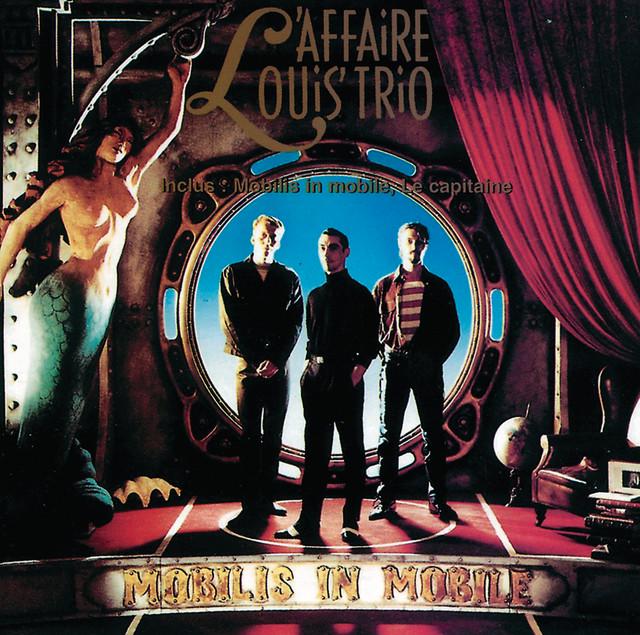
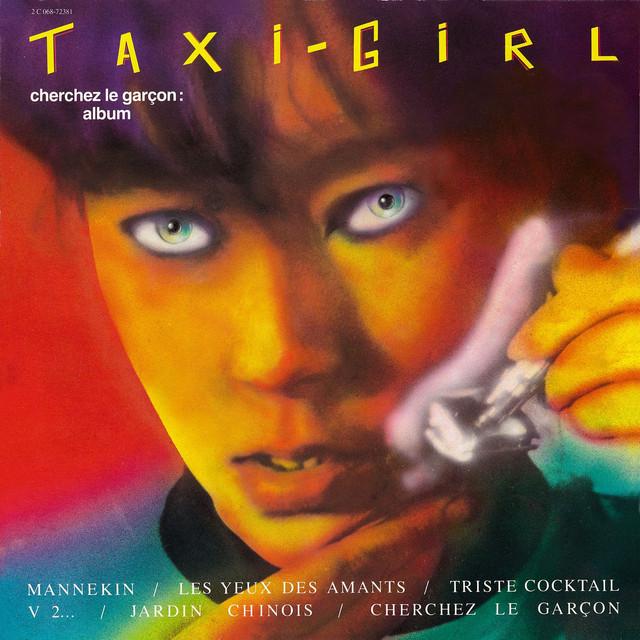
Arnold Turboust’s Spotify BioArnold Turboust first steps into the world of French rock were in 1980 with the group Marquis de Sade, contributing keyboard parts to their debut album Danzig Twist. He followed that with a stint in local Nantes band Private Jokes in 1981.
In 1982 he met singer-songwriter Étienne Daho and the two began a successful collaboration that would last into the 90s and beyond. Their first single together was Le Grand Sommeil, followed by the album La Notte, La Notte in 1984.
In 1985 came the huge hit Tombé pour la France, followed in 1986 by the classic album Pop Satori . This was also the year Arnold scored a hit of his own with the single Adelaïde in collaboration with Zabou Breitmann.
Arnold's first solo album was Let's Go à Goa in 1988, produced with Pop Satori colleague Rico Conning. He released four more albums over the years: Mes Amis et Moi (1995), Toute Sortie est Définitive (2007), Démodé (2011), and he reunited with Rico for the UNAC award-winning Arnold Turboust (2016).
Arnold has… composed for artists as varied as Sylvie Vartan, Brigitte Fontaine, Astrud Gilberto, Enzo Enzo, Barbara Carlotti, Lio, Plastic Bertrand and Jacno. None other than Françoise Sagan gave us a perfect description of his special "je ne sais quoi": "There is in Arnold Turboust something of the fluidity of Trenet, of the detachment of Gainsbourg, a kind of tender indulgence for others, demanding of himself; a humor without cynicism and a most pleasant musical diversity."
Viberate is a music analytics platform built for A&Rs, artist managers, labels, booking agents, marketers, and artists.
It helps music professionals track artist growth, analyze audience data, monitor playlist activity, compare artists, follow song performance, and identify opportunities across the music market.
Public artist pages provide a free preview of selected artist data. Paid plans provide access to deeper analytics, historical data, charts, comparisons, playlist tools, exports, alerts, reports, and additional professional features.
Yes. Public Viberate artist pages provide selected artist analytics and music data for free.
Viberate also offers a 7-day free trial of the full platform. A credit card is required to start the trial. The trial includes access to the complete product so users can test deeper artist analytics, historical views, playlist insights, comparisons, charts, exports, alerts, and reporting features before choosing a paid plan.
Viberate provides artist analytics across streaming, playlists, social media, video, radio airplay, songs, and audience markets.
Users can analyze Spotify performance, Spotify and Apple Music playlists, YouTube activity, TikTok and Instagram growth, radio spins, song performance, audience locations, demographics, rankings, and overall artist momentum.
Artist profiles also connect to music charts, similar artists, and comparison tools, helping users benchmark performance and evaluate artists in context.
Viberate updates key artist and track data daily.
For followed artists and tracks, selected data is refreshed multiple times per day. This helps teams monitor playlist changes, streaming movement, audience growth, releases, and campaign performance with more current data.
Update frequency can vary depending on the metric and data source.
Yes. Viberate lets users compare up to five artists side by side across streaming, social media, audience, and engagement metrics.
Users can compare fanbase growth, audience demographics, locations, Spotify performance, social metrics, and other artist data over selected time periods.
Artist comparison can be used for A&R scouting, benchmarking, booking decisions, campaign planning, and evaluating artists with similar audiences or market positions.