Arlo

Pop
Indie Pop
Power Pop
 Viberate Rank: 675396
 Viberate Rank: 675396
 Monthly ListenersFollowers
 Subscribers
 Followers
 Followers
 FansTop Spotify Songs
| Track | 7-Day Streams | |
|---|---|---|
1 | 790 | |
2 | 31 | |
3 | 26 | |
4 | 22 | |
5 | 19 |
Top YouTube VideosMonthly ListenersFeatured in Playlists| Playlist | Followers | |
|---|---|---|
1 |  Gran Turismo 4 soundtrack spyroew | 11.96K |
2 |  The Most Played Albums In KEXP's History KEXP | 4.91K |
3 |  Racing Games - Need For Speed, Forza, Gran Turismo, Midnight Club... cosmo0 | 4.26K |
4 | gran turismo soundtracks ferryvd | 2.74K |
5 |  Songs About Colorado Ken Oatman | 2.31K |
Audience| City | Monthly Listeners | |
|---|---|---|
1 |  | 57 |
2 |  | 33 |
3 | | 26 |
4 |  | 25 |
5 |  | 23 |
See full performance history, audience data, playlist activity, rankings, comparisons, and more in Viberate music analytics. Start with a free trial, then continue with a paid plan.
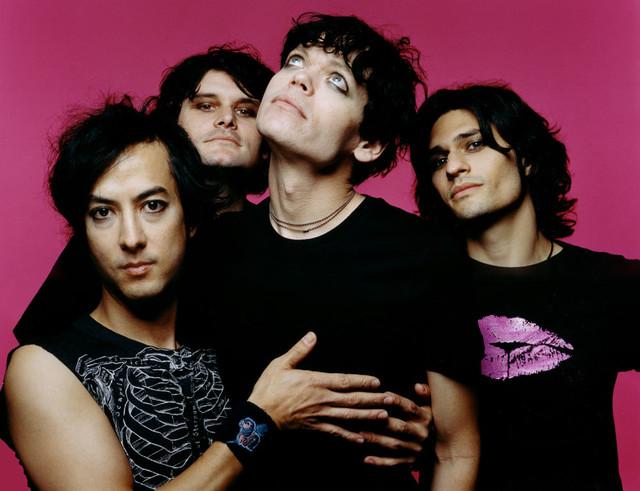
Arlo’s Spotify BioQuirky indie-rockers Arlo began life in the mid-'90s, when L.A. guitarists/vocalists Nate Greely and Sean Spillane formed a band called Otto while in college. A revolving-door rhythm section didn't stop the band from releasing a split single on the Glimmerfed label; they finally settled on bassist Shmedley and drummer Soup, both formerly of the local outfit Holliston Stops. A name change to Arlo followed shortly thereafter (in honor of their favorite club soundman), and the band signed to Sub Pop in 2000. A 7" single was issued late that year, preceding the early 2001 release of their debut album, Up High in the Night. The following year unveiled another chunk of pop rock, Stab the Unstoppable Hero, also released on Sub Pop. ~ Steve Huey, Rovi
Viberate is a music analytics platform built for A&Rs, artist managers, labels, booking agents, marketers, and artists.
It helps music professionals track artist growth, analyze audience data, monitor playlist activity, compare artists, follow song performance, and identify opportunities across the music market.
Public artist pages provide a free preview of selected artist data. Paid plans provide access to deeper analytics, historical data, charts, comparisons, playlist tools, exports, alerts, reports, and additional professional features.
Yes. Public Viberate artist pages provide selected artist analytics and music data for free.
Viberate also offers a 7-day free trial of the full platform. A credit card is required to start the trial. The trial includes access to the complete product so users can test deeper artist analytics, historical views, playlist insights, comparisons, charts, exports, alerts, and reporting features before choosing a paid plan.
Viberate provides artist analytics across streaming, playlists, social media, video, radio airplay, songs, and audience markets.
Users can analyze Spotify performance, Spotify and Apple Music playlists, YouTube activity, TikTok and Instagram growth, radio spins, song performance, audience locations, demographics, rankings, and overall artist momentum.
Artist profiles also connect to music charts, similar artists, and comparison tools, helping users benchmark performance and evaluate artists in context.
Viberate updates key artist and track data daily.
For followed artists and tracks, selected data is refreshed multiple times per day. This helps teams monitor playlist changes, streaming movement, audience growth, releases, and campaign performance with more current data.
Update frequency can vary depending on the metric and data source.
Yes. Viberate lets users compare up to five artists side by side across streaming, social media, audience, and engagement metrics.
Users can compare fanbase growth, audience demographics, locations, Spotify performance, social metrics, and other artist data over selected time periods.
Artist comparison can be used for A&R scouting, benchmarking, booking decisions, campaign planning, and evaluating artists with similar audiences or market positions.