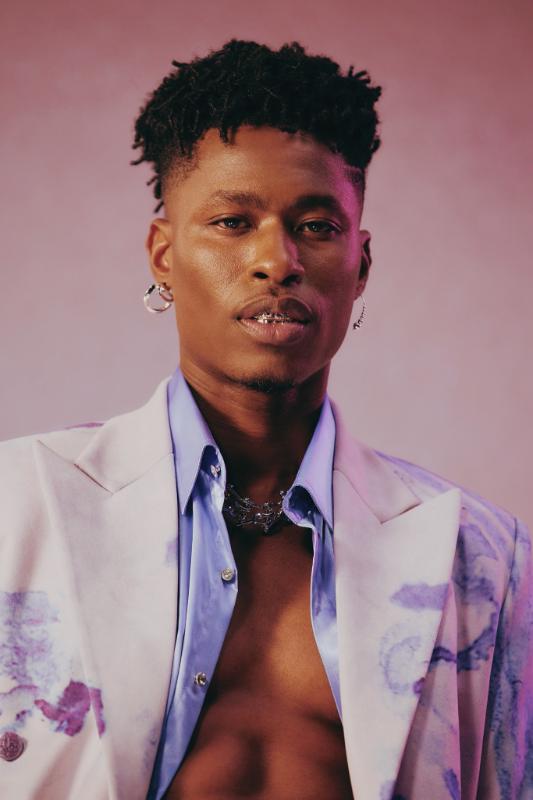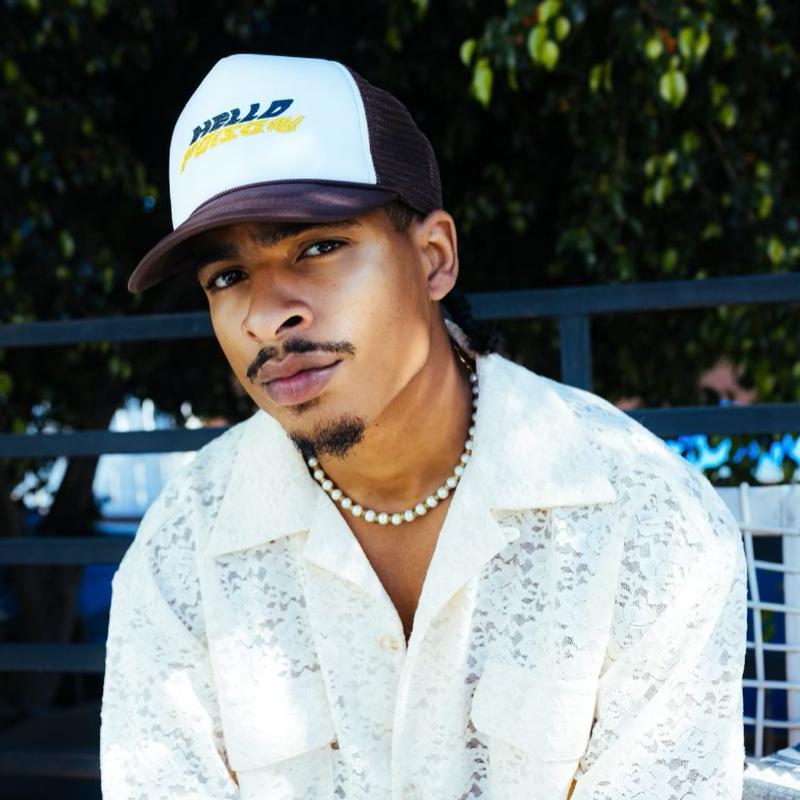
Arin Ray

R&B
Contemporary R&B
Alternative R&B
 Viberate Rank: 26687
 Viberate Rank: 26687
 Monthly ListenersFollowers
 Subscribers
 Followers
 Followers
 FansTop Spotify Songs
| Track | 7-Day Streams | |
|---|---|---|
1 | 48.76K | |
2 | 44.63K | |
3 | 37.74K | |
4 | 25.07K | |
5 | 20.88K |
Top YouTube VideosMonthly ListenersFeatured in Playlists| Playlist | Followers | |
|---|---|---|
1 |  Chilled R&B Spotify | 2.36M |
2 |  Soulful Day Spotify | 1.01M |
3 |  Lowkey Spotify | 956.09K |
4 |  Best Rap Songs of All Time IndieMassive Hits | 510.81K |
5 |  songs i wanna get fucked to 🥀💋 Trinna | 278.95K |
Audience| City | Monthly Listeners | |
|---|---|---|
1 | | 12.97K |
2 | | 8.25K |
3 |  | 8.18K |
4 | | 7.20K |
5 | | 6.64K |
See full performance history, audience data, playlist activity, rankings, comparisons, and more in Viberate music analytics. Start with a free trial, then continue with a paid plan.
Arin Ray’s Spotify BioContemporary R&B artist Arin Ray parlayed appearances on TV's The X Factor into work as a songwriter for names like Jason Derulo and K. Michelle before making his full-length solo debut with 2018's Platinum Fire on a major label. Artists including but not limited to Ty Dolla $ign and VanJess contributed to the singer and songwriter's second album, 2022's Hello Poison.
During the first season of The X Factor in 2011, the Cincinnati native was eliminated as a member of the bootcamp-stage group Intensity. He returned in 2012 for the second season, mentored by Britney Spears, and finished tenth. Ray self-released a single, "Turn It Up," in 2013, but within a couple years had co-written songs for Jason Derulo ("Love Like That") and Chris Brown ("KAE"). Ray resumed solo work with the Phases EP in 2016, the same year he was credited with co-writing songs for the likes of K. Michelle (the charting single "Ain't You"), Ro James ("Ride"), DJ Mustard ("Another Summer"), and Jahkoy ("Don't Stop the… Vibe").
In 2018, Ray made his major-label debut with Platinum Fire on Interscope. The album featured collaborations with Terrace Martin, Nez & Rio, and Childish Major, among others. Included was the single "We Ain't Homies." A deluxe version of Platinum Fire followed later that year and added three more songs including "Always" featuring Babyface. In December 2019, he came back with the Kehlani-featuring Phases II EP.
It would be over two years before Ray returned with new material in the form of seductive single "The Mood" featuring D Smoke. It arrived on Interscope in April 2022, just two months before it showed up on Ray's second long-player, Hello Poison. That album also included several collaborations, including tracks with VanJess, Ari Lennox, and Ty Dolla $ign. ~ Andy Kellman & Marcy Donelson, Rovi
Viberate is a music analytics platform built for A&Rs, artist managers, labels, booking agents, marketers, and artists.
It helps music professionals track artist growth, analyze audience data, monitor playlist activity, compare artists, follow song performance, and identify opportunities across the music market.
Public artist pages provide a free preview of selected artist data. Paid plans provide access to deeper analytics, historical data, charts, comparisons, playlist tools, exports, alerts, reports, and additional professional features.
Yes. Public Viberate artist pages provide selected artist analytics and music data for free.
Viberate also offers a 7-day free trial of the full platform. A credit card is required to start the trial. The trial includes access to the complete product so users can test deeper artist analytics, historical views, playlist insights, comparisons, charts, exports, alerts, and reporting features before choosing a paid plan.
Viberate provides artist analytics across streaming, playlists, social media, video, radio airplay, songs, and audience markets.
Users can analyze Spotify performance, Spotify and Apple Music playlists, YouTube activity, TikTok and Instagram growth, radio spins, song performance, audience locations, demographics, rankings, and overall artist momentum.
Artist profiles also connect to music charts, similar artists, and comparison tools, helping users benchmark performance and evaluate artists in context.
Viberate updates key artist and track data daily.
For followed artists and tracks, selected data is refreshed multiple times per day. This helps teams monitor playlist changes, streaming movement, audience growth, releases, and campaign performance with more current data.
Update frequency can vary depending on the metric and data source.
Yes. Viberate lets users compare up to five artists side by side across streaming, social media, audience, and engagement metrics.
Users can compare fanbase growth, audience demographics, locations, Spotify performance, social metrics, and other artist data over selected time periods.
Artist comparison can be used for A&R scouting, benchmarking, booking decisions, campaign planning, and evaluating artists with similar audiences or market positions.