Ari Up

Punk
Punk Rock
Dub
 Viberate Rank: 576338
 Viberate Rank: 576338
 Monthly ListenersFollowers
 Subscribers
 Followers
 Followers
 FansTop Spotify SongsTop YouTube VideosMonthly ListenersFeatured in Playlists
| Playlist | Followers | |
|---|---|---|
1 |  Reggae Dub Joe | 8.14K |
2 | space rock & psychedelia Edson Alejandro Adame | 8.05K |
3 |  Groove Salad // Trip Hop / Psybient / Lounge / Soma / Downtempo / Ambient / World Beat Billy Kilbey | 4.89K |
4 |  Adrian Sherwood Selections On-U Sound | 2.72K |
5 |  POSiTiVE ViBRATiONS® Little Flaivor | 1.45K |
Audience| City | Monthly Listeners | |
|---|---|---|
1 | | 6 |
2 |  | 3 |
3 |  | 3 |
See full performance history, audience data, playlist activity, rankings, comparisons, and more in Viberate music analytics. Start with a free trial, then continue with a paid plan.
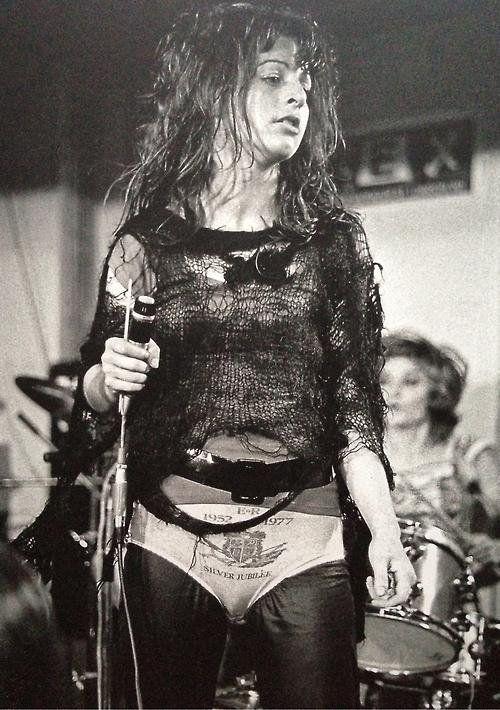
Ari Up’s Spotify BioAri Up was born Arianna Forster to a German mother in 1962 (John Lydon was her stepfather). Raised in London, she formed the all-girl punk band the Slits in January 1977, around a lineup of drummer Palmolive (born Paloma Romero), guitarist Kate Korus, and bassist Suzi Gutsy. By the time the group actually appeared in public, however, Gutsy had been replaced by Tessa Pollitt (the pair had previously played together in the Castrators) and Korus by Viv Albertine, who'd appeared alongside Palmolive in Lydon's Flowers of Romance.
Over the next four years, the Slits would cut two landmark albums, Cut and Return of the Giant Slits, with further albums drawn from demos (Bootleg Retrospective), BBC radio recordings (The Peel Sessions), and live shows. Up, however, also stepped out of the band format on several occasions, contributing percussion to Talking Heads' Fear of Music album and linking with producer Adrian Sherwood in the first manifestation of the New Age Steppers' post-punk super… session. A cover of Junior Byles' "Fade Away" was released as the first single on Sherwood's On-U label in summer 1980.
The New Age Steppers' eponymous debut album followed, with Up joined by Bruce Smith and Sean Oliver of Rip Rig & Panic, Neneh Cherry, Flying Lizards keyboard player Steve Beresford, singing journalist Vivien Goldman, Aswad's George Oban, and the Roots Radics' Style Scott. The ensuing disc is nevertheless dominated by Up's distinctive vocals and, reinvigorated by the experience, she led the Slits through their Return of the Giant Slits swan song. The band broke up within weeks of their next tour, and Up threw herself back into the New Age Steppers. Two further albums, Action Battlefield and Foundation Steppers, followed.
Thereafter, however, Up lapsed into silence, relocating to live first in Belize, and then Jamaica. She turned up on La Onda Vaselina's Hoy album in 1995, but it was the early 2000s before Up truly returned to action, guesting on Terranova's Hitchhiking Non-Stop with No Particular Destination and Peace Is Tough albums, and contributing one track to Wish You Were Here: Love Songs for New York, a benefit album for victims of the Twin Towers attack -- she transformed the Cookies' "Don't Say Nothing Bad About My Baby" into "Don't Say Nothing Bad About NY." Up's first solo album, Dread More Dan Dead, arrived in 2005. Five years later, stepfather Lydon announced that Up had died from a "serious illness" on October 20, 2010. She was 48 years old at the time of her passing. ~ Dave Thompson, Rovi
Viberate is a music analytics platform built for A&Rs, artist managers, labels, booking agents, marketers, and artists.
It helps music professionals track artist growth, analyze audience data, monitor playlist activity, compare artists, follow song performance, and identify opportunities across the music market.
Public artist pages provide a free preview of selected artist data. Paid plans provide access to deeper analytics, historical data, charts, comparisons, playlist tools, exports, alerts, reports, and additional professional features.
Yes. Public Viberate artist pages provide selected artist analytics and music data for free.
Viberate also offers a 7-day free trial of the full platform. A credit card is required to start the trial. The trial includes access to the complete product so users can test deeper artist analytics, historical views, playlist insights, comparisons, charts, exports, alerts, and reporting features before choosing a paid plan.
Viberate provides artist analytics across streaming, playlists, social media, video, radio airplay, songs, and audience markets.
Users can analyze Spotify performance, Spotify and Apple Music playlists, YouTube activity, TikTok and Instagram growth, radio spins, song performance, audience locations, demographics, rankings, and overall artist momentum.
Artist profiles also connect to music charts, similar artists, and comparison tools, helping users benchmark performance and evaluate artists in context.
Viberate updates key artist and track data daily.
For followed artists and tracks, selected data is refreshed multiple times per day. This helps teams monitor playlist changes, streaming movement, audience growth, releases, and campaign performance with more current data.
Update frequency can vary depending on the metric and data source.
Yes. Viberate lets users compare up to five artists side by side across streaming, social media, audience, and engagement metrics.
Users can compare fanbase growth, audience demographics, locations, Spotify performance, social metrics, and other artist data over selected time periods.
Artist comparison can be used for A&R scouting, benchmarking, booking decisions, campaign planning, and evaluating artists with similar audiences or market positions.