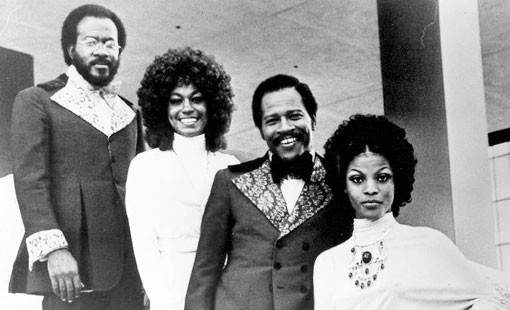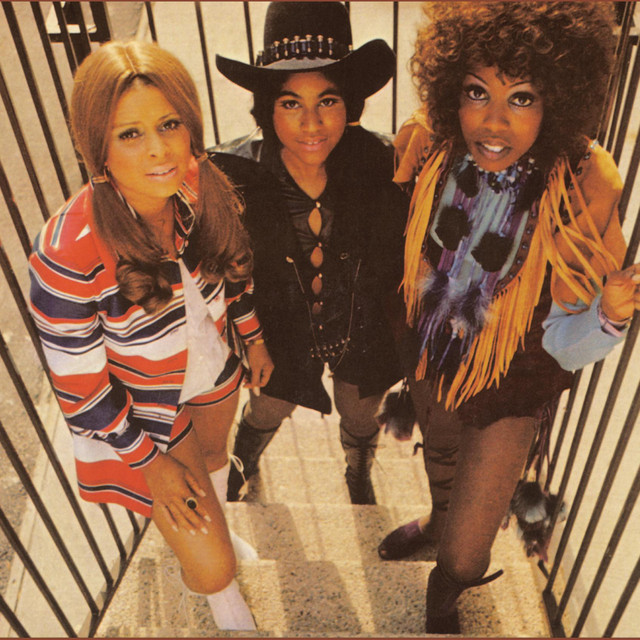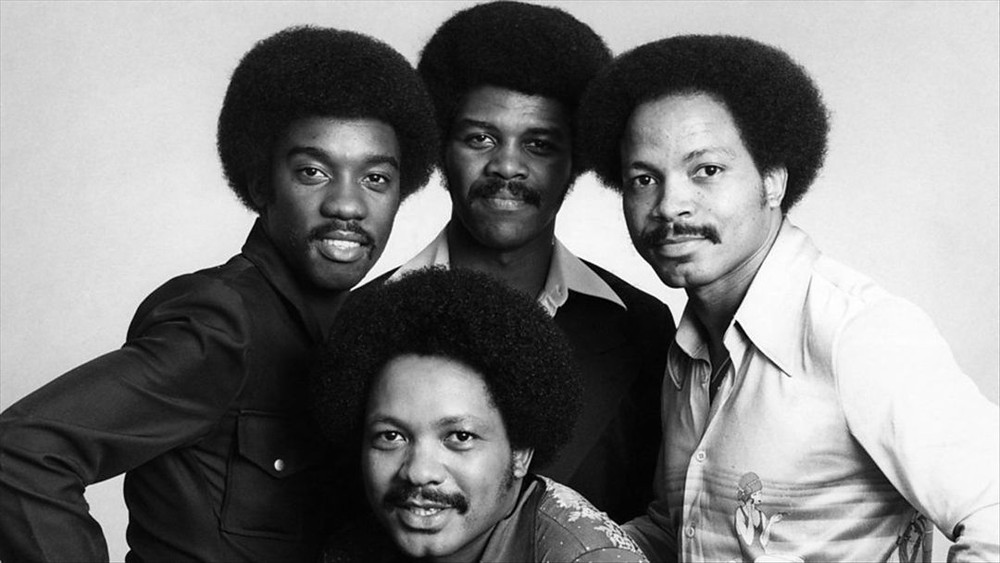
Archie Bell & The Drells

R&B
Soul
 Viberate Rank: 66543
 Viberate Rank: 66543
 Monthly ListenersFollowers
 Subscribers
 Followers
 Followers
 FansTop Spotify Songs
| Track | 7-Day Streams | |
|---|---|---|
1 | 34.31K | |
2 | 13.29K | |
3 | 12.59K | |
4 | 5.97K | |
5 | 4.85K |
Top YouTube VideosMonthly ListenersFeatured in Playlists| Playlist | Followers | |
|---|---|---|
1 |  Philly Soul Spotify | 180.71K |
2 |  70s R&B/Soul - The Golden Era Raul Gabriel - Music | 159.85K |
3 |  Northern Soul Classics Spotify | 153.00K |
4 |  500 Greatest Songs Of All Time kieron | 112.49K |
5 |  I Love My 60s Funk Spotify | 111.11K |
Audience| City | Monthly Listeners | |
|---|---|---|
1 |  | 6.78K |
2 |  | 3.13K |
3 | | 2.93K |
4 | | 2.68K |
5 | | 2.22K |
See full performance history, audience data, playlist activity, rankings, comparisons, and more in Viberate music analytics. Start with a free trial, then continue with a paid plan.
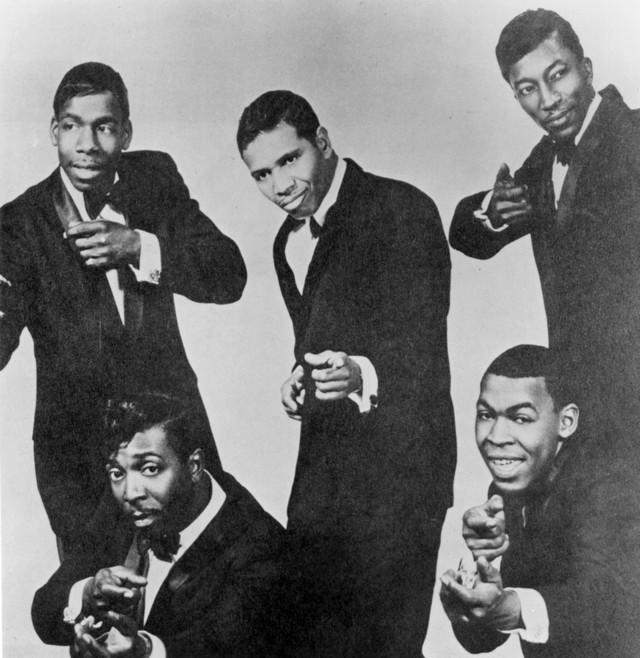
Archie Bell & The Drells’ Spotify BioVocal group Archie Bell & the Drells are known most "Tighten Up," a funky, handclap-happy soul single that reached number one on Billboard's R&B and pop charts in 1968. The Houston-based group, which featured, at varying times, Archie's brother Lee Bell, Billy Butler, Joe Cross, Lucious Larkins, Willie Pernell, and James Wise, went on to work extensively with Philly soul architects Kenneth Gamble and/or Leon Huff. Throughout the '70s, Bell and the Drells combined their increasingly smooth and sophisticated sound with top-rate showmanship, amassing a total of 20 charting singles -- such as the additional Top Ten R&B hits "I Can't Stop Dancing," "There's Gonna Be a Showdown," and "Let's Groove" -- before their split in 1980. Among their seven albums are the chart-topping Tighten Up (1968) and the number 11 R&B LP Dance Your Troubles Away (1975), their first of four released through Gamble & Huff's Philadelphia International.
Born in Henderson, Texas and raised in Houston, Archie Bell grew… up in a household that included seven brothers, including All-American football star Ricky Bell. His mother, Ruthie Bell, sang gospel and made sure her sons were involved in church-based activities. Because of his mother, Bell began singing in church at an early age. He formed Archie Bell & the Drells in his teens and started performing at local talent shows. While performing, the group was discovered by KCOH DJ Skipper Lee Frazier. Frazier had his own record label, Ovide, and on a handshake-based management deal, the Drells began recording for him. The group scored a regional hit in 1967 with "She's My Woman, She's My Girl."
Soon after, Bell was drafted to serve in the Army. While on short leave, Bell recorded "Tighten Up," which he and Billy Butler wrote with musical backing by the T.S.U. Toronadoes. Issued in December 1967, "Tighten Up" became a huge hit in Houston. The following May, after Atlantic picked it up for wide distribution, the song topped the Billboard R&B and Hot 100 charts for two weeks, and received a gold certification from the RIAA. The parent album, also titled Tighten Up, reached number 15 R&B and 142 pop. Bell was stationed in Germany as this developed. For performances, James Wise substituted for Bell and Charles Gibbs was brought in to add background vocals. Occasionally, Bell was allowed to return to the U.S. to do club dates.
The follow-up single, "I Can't Stop Dancing," marked the beginning of a long affiliation with production and songwriting duo Kenneth Gamble and Leon Huff. It peaked at number nine on the Hot 100 and at number five on the R&B chart. Afterward, Bell and the Drells didn't threaten the pop Top Ten again, but they were a favorite among serious lovers of soul music. The group's last charting single for Atlantic was the David Crawford-produced cover of Sam & Dave's "Wrap It Up." Following one single for Henry Stone's Glades label, the successful "Dancing to Your Music," they recorded for the TSOP label, a subsidiary of Gamble and Huff's Philadelphia International Records, and quickly moved to PIR proper. This period was highlighted by the number 11 R&B album Dance Your Troubles Away (1975), the Top 40 R&B album Strategy (1979), and charting singles such as "The Soul City Walk," "Let's Groove," and "Strategy."
In 1980, the year Japan's Yellow Magic Orchestra appeared on Soul Train with their animated version of "Tighten Up," Archie Bell & the Drells broke up. Bell released a solo album, I Never Had It So Good, the following year on the Becket label. He and the Drells eventually reunited, however, and continued to perform well into the latter half of the 2010s. They celebrated their 50th anniversary in 2016 with the two-disc Let's Groove: The Archie Bell & the Drells Story, released on BBR in the U.K. The Albums 1968-1979, a comprehensive boxed set also containing a disc of A- and B-sides, followed on Robinsongs in 2024. ~ Ed Hogan & Andy Kellman, Rovi
Viberate is a music analytics platform built for A&Rs, artist managers, labels, booking agents, marketers, and artists.
It helps music professionals track artist growth, analyze audience data, monitor playlist activity, compare artists, follow song performance, and identify opportunities across the music market.
Public artist pages provide a free preview of selected artist data. Paid plans provide access to deeper analytics, historical data, charts, comparisons, playlist tools, exports, alerts, reports, and additional professional features.
Yes. Public Viberate artist pages provide selected artist analytics and music data for free.
Viberate also offers a 7-day free trial of the full platform. A credit card is required to start the trial. The trial includes access to the complete product so users can test deeper artist analytics, historical views, playlist insights, comparisons, charts, exports, alerts, and reporting features before choosing a paid plan.
Viberate provides artist analytics across streaming, playlists, social media, video, radio airplay, songs, and audience markets.
Users can analyze Spotify performance, Spotify and Apple Music playlists, YouTube activity, TikTok and Instagram growth, radio spins, song performance, audience locations, demographics, rankings, and overall artist momentum.
Artist profiles also connect to music charts, similar artists, and comparison tools, helping users benchmark performance and evaluate artists in context.
Viberate updates key artist and track data daily.
For followed artists and tracks, selected data is refreshed multiple times per day. This helps teams monitor playlist changes, streaming movement, audience growth, releases, and campaign performance with more current data.
Update frequency can vary depending on the metric and data source.
Yes. Viberate lets users compare up to five artists side by side across streaming, social media, audience, and engagement metrics.
Users can compare fanbase growth, audience demographics, locations, Spotify performance, social metrics, and other artist data over selected time periods.
Artist comparison can be used for A&R scouting, benchmarking, booking decisions, campaign planning, and evaluating artists with similar audiences or market positions.