Appleblim

Electronic
Dubstep
Dub Techno
Dub
 Viberate Rank: 204853
 Viberate Rank: 204853
 Monthly ListenersFollowers
 Subscribers
 Followers
 Followers
 FansTop Spotify Songs
| Track | 7-Day Streams | |
|---|---|---|
1 | 1.22K | |
2 | 555 | |
3 | 345 | |
4 | 223 | |
5 | 223 |
Top YouTube VideosMonthly ListenersFeatured in Playlists| Playlist | Followers | |
|---|---|---|
1 |  Bonobo presents OUTLIER Radio Bonobo | 63.87K |
2 |  Living In My Headphones James Lavelle (UNKLE) | 16.04K |
3 | New music 2026 OOR | 7.51K |
4 |  Boiler Room Robert Brown | 6.66K |
5 |  Calming Classics: Reworks & Remixes Music Lab Collective | 6.30K |
Audience| City | Monthly Listeners | |
|---|---|---|
1 | | 476 |
2 |  | 275 |
3 |  | 126 |
4 | | 122 |
5 | | 122 |
See full performance history, audience data, playlist activity, rankings, comparisons, and more in Viberate music analytics. Start with a free trial, then continue with a paid plan.
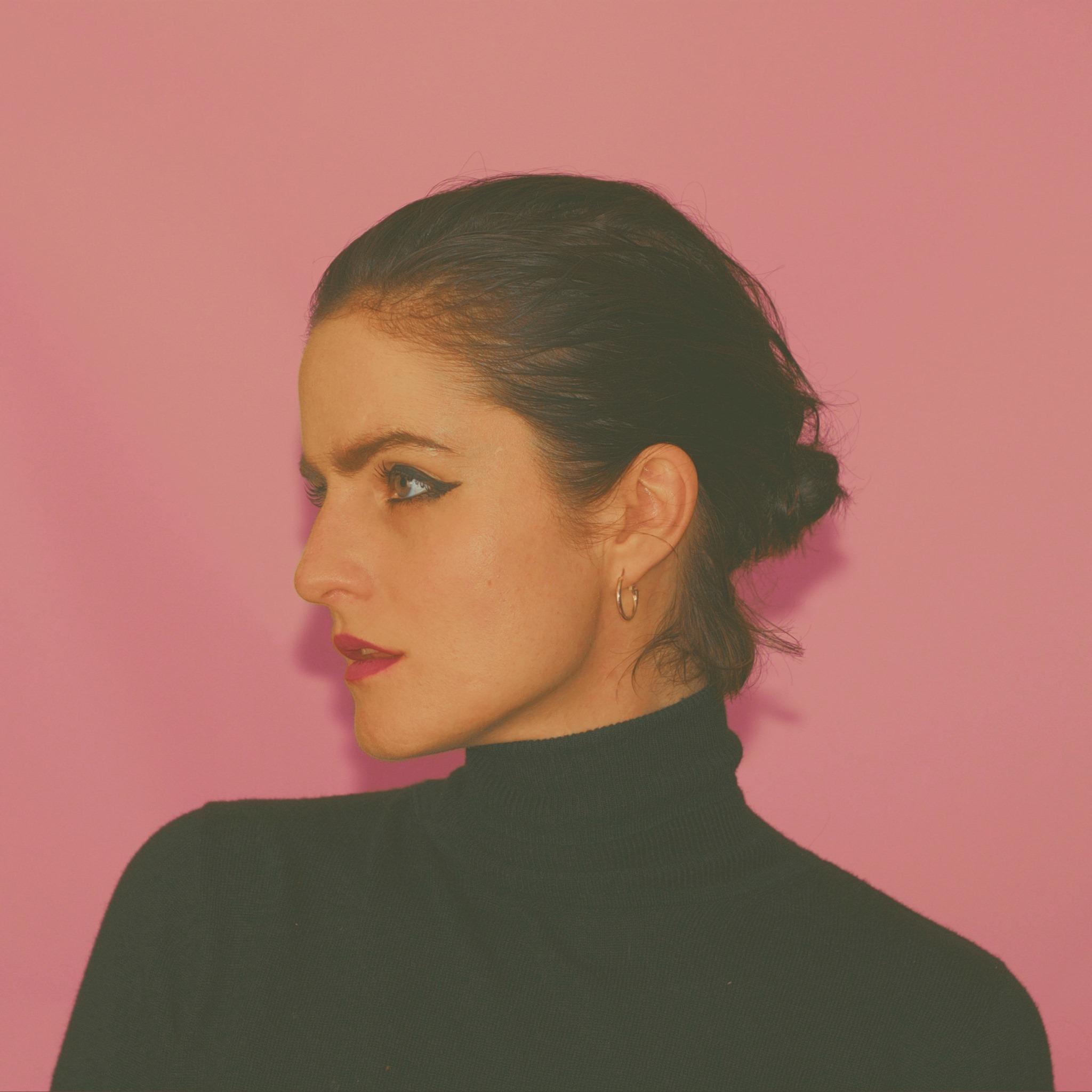
Appleblim’s Spotify BioInitially known for producing and spinning some of the darkest, heaviest music to come out of the early U.K. dubstep scene, Appleblim (Laurie Osborne) has continued to produce innovative, bass-heavy club music, blending elements of techno, ambient, garage, jungle, and other styles. Along with Shackleton, he ran the highly influential Skull Disco label from 2005 until 2008, when he founded his own Apple Pips imprint. He has regularly collaborated with Ramadanman, Peverelist, Second Storey, and other producers, and has remixed Harmonia & Eno, Bonobo, and even Claude Debussy. In addition to regular appearances at trendsetting dubstep night FWD>>, Appleblim has performed at prestigious clubs and event series such as Berghain, Fabric, and the Bunker.
Osborne grew up listening to folk and rock music, and played in psychedelic/math rock group the Monsoon Bassoon for several years during the late '90s and early 2000s. After becoming a regular at FWD>>, an event series at London club Plastic… People that helped kick-start dubstep, Osborne began working as a press and label manager at Tempa, one of the scene's most important labels. He then started playing warm-up sets at FWD>>, blending dub, ambient, and house with the emerging dubstep sound, in addition to spinning fresh dubplates from producers like Martyn, Pinch, and 2562.
In 2005, Appleblim and Shackleton launched Skull Disco, a label that released some of the darkest, deadliest music the emerging genre had yet produced. Although short-lived, all of the label's releases were met with acclaim, and attracted attention from outside the dubstep scene. When the label ended in 2008, Appleblim established Apple Pips, which expanded beyond dubstep into dub techno and house. He also released his first mix CD, Dubstep Allstars, Vol. 6. Appleblim 12"s, mostly produced in collaboration with other artists, arrived on labels like Aus Music and Berkane Sol, although he did release a few solo records on Apple Pips and Tempa.
Under the name ALSO, Appleblim and Second Storey released a trilogy of EPs on R&S that contained some of the producers' most experimental work yet. These EPs were compiled as the full-length ALSO in 2015. The duo returned to the label for 2016's Gimme Six EP. In 2017, Appleblim began releasing limited white-label 12"s on a label called Beatnik Boulevard. The following year, he released his debut full-length, Life in a Laser, on Sneaker Social Club. The ambitious, vibrant album was heavily inspired by early jungle, hardcore, and IDM. A follow-up LP, Ungoverned & Ungovernable, appeared in 2020 and was both inspired by and in collaboration with journalist and field recorder Ian Urbina. ~ Paul Simpson, Rovi
Viberate is a music analytics platform built for A&Rs, artist managers, labels, booking agents, marketers, and artists.
It helps music professionals track artist growth, analyze audience data, monitor playlist activity, compare artists, follow song performance, and identify opportunities across the music market.
Public artist pages provide a free preview of selected artist data. Paid plans provide access to deeper analytics, historical data, charts, comparisons, playlist tools, exports, alerts, reports, and additional professional features.
Yes. Public Viberate artist pages provide selected artist analytics and music data for free.
Viberate also offers a 7-day free trial of the full platform. A credit card is required to start the trial. The trial includes access to the complete product so users can test deeper artist analytics, historical views, playlist insights, comparisons, charts, exports, alerts, and reporting features before choosing a paid plan.
Viberate provides artist analytics across streaming, playlists, social media, video, radio airplay, songs, and audience markets.
Users can analyze Spotify performance, Spotify and Apple Music playlists, YouTube activity, TikTok and Instagram growth, radio spins, song performance, audience locations, demographics, rankings, and overall artist momentum.
Artist profiles also connect to music charts, similar artists, and comparison tools, helping users benchmark performance and evaluate artists in context.
Viberate updates key artist and track data daily.
For followed artists and tracks, selected data is refreshed multiple times per day. This helps teams monitor playlist changes, streaming movement, audience growth, releases, and campaign performance with more current data.
Update frequency can vary depending on the metric and data source.
Yes. Viberate lets users compare up to five artists side by side across streaming, social media, audience, and engagement metrics.
Users can compare fanbase growth, audience demographics, locations, Spotify performance, social metrics, and other artist data over selected time periods.
Artist comparison can be used for A&R scouting, benchmarking, booking decisions, campaign planning, and evaluating artists with similar audiences or market positions.