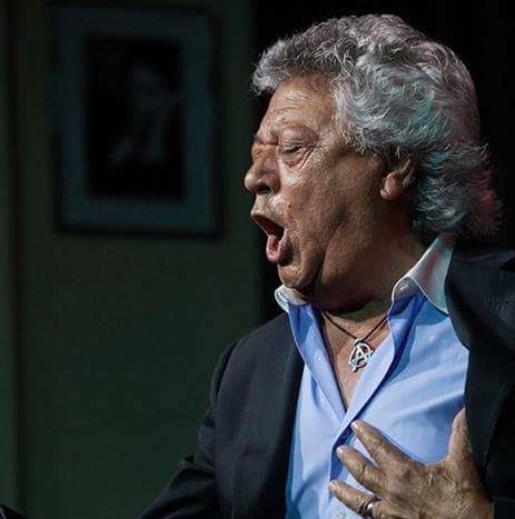
Antonio Reyes

European
Flamenco
Tango
 Viberate Rank: 237259
 Viberate Rank: 237259
 Monthly ListenersFollowers
 Subscribers
 Followers
 Followers
 FansTop Spotify Songs
| Track | 7-Day Streams | |
|---|---|---|
1 | 3.09K | |
2 | 2.88K | |
3 | 2.77K | |
4 | 2.57K | |
5 | 1.66K |
Top YouTube VideosMonthly ListenersFeatured in Playlists| Playlist | Followers | |
|---|---|---|
1 |  Flamenquito & Rumbitas Julio del Valle | 25.83K |
2 | Flamenco Classics kernowboy | 24.71K |
3 |  Flamenco para Bailar 👠 Catherin Rodriguez Fernandez | 16.61K |
4 |  Best of NOVA / FIP 💿 Chocooo ⚡💿 | 5.25K |
5 |  GUITARRA FLAMENCA Carlos Celso | 4.82K |
Audience| City | Monthly Listeners | |
|---|---|---|
1 | | 2.46K |
2 | | 2.19K |
3 | | 1.12K |
4 | | 1.07K |
5 | | 332 |
See full performance history, audience data, playlist activity, rankings, comparisons, and more in Viberate music analytics. Start with a free trial, then continue with a paid plan.
Antonio Reyes’ Spotify BioAntonio Reyes Montoya (Chiclana de la Frontera, 26 de julio de 1977) es un cantaor flamenco ganador del giraldillo al cante de la XVIII Bienal de Flamenco, en 2014.1
Nació en Chiclana de la Frontera en 1977 en el seno de una familia de tradición flamenca; su abuelo materno es Antonio Montoya, su tío Roque Montoya "Jarrito" y también tiene parentesco paterno con José Cortés Jiménez, "Pansequito".2
Subió por primera vez a un escenario cuando tenía 7 años en la fiesta de la Parpuja de Chiclana. En 1984, actuó en la plaza de toros de Jerez, dentro de los jueves flamencos, organizados por el guitarrista Manuel Morao. Con 10 años obtuvo el 1er premio de Fuengirola, en la modalidad de jóvenes.3
En 1988, con 13 años, fue finalista del concurso de Mairena del Alcor y viajó por Estados Unidos con la Compañía Gitanos de Jerez dirigida por Manuel Morao y después por Europa con el espectáculo Misa Flamenca. A partir de 2000 se consolidó como profesional con los premios del Memorial Camarón de la… Isla y en el Concurso Nacional de Arte Flamenco.
En 2009 grabó su primer disco, Viento del sur, en 2014 obtuvo el giraldillo al cante de la Bienal de Flamenco de Sevilla, según apreciaba el jurado "por incorporar su personalidad al legado de los grandes maestros" y en 2015 grabó su segundo disco junto al guitarrista Diego del Morao.
Viberate is a music analytics platform built for A&Rs, artist managers, labels, booking agents, marketers, and artists.
It helps music professionals track artist growth, analyze audience data, monitor playlist activity, compare artists, follow song performance, and identify opportunities across the music market.
Public artist pages provide a free preview of selected artist data. Paid plans provide access to deeper analytics, historical data, charts, comparisons, playlist tools, exports, alerts, reports, and additional professional features.
Yes. Public Viberate artist pages provide selected artist analytics and music data for free.
Viberate also offers a 7-day free trial of the full platform. A credit card is required to start the trial. The trial includes access to the complete product so users can test deeper artist analytics, historical views, playlist insights, comparisons, charts, exports, alerts, and reporting features before choosing a paid plan.
Viberate provides artist analytics across streaming, playlists, social media, video, radio airplay, songs, and audience markets.
Users can analyze Spotify performance, Spotify and Apple Music playlists, YouTube activity, TikTok and Instagram growth, radio spins, song performance, audience locations, demographics, rankings, and overall artist momentum.
Artist profiles also connect to music charts, similar artists, and comparison tools, helping users benchmark performance and evaluate artists in context.
Viberate updates key artist and track data daily.
For followed artists and tracks, selected data is refreshed multiple times per day. This helps teams monitor playlist changes, streaming movement, audience growth, releases, and campaign performance with more current data.
Update frequency can vary depending on the metric and data source.
Yes. Viberate lets users compare up to five artists side by side across streaming, social media, audience, and engagement metrics.
Users can compare fanbase growth, audience demographics, locations, Spotify performance, social metrics, and other artist data over selected time periods.
Artist comparison can be used for A&R scouting, benchmarking, booking decisions, campaign planning, and evaluating artists with similar audiences or market positions.