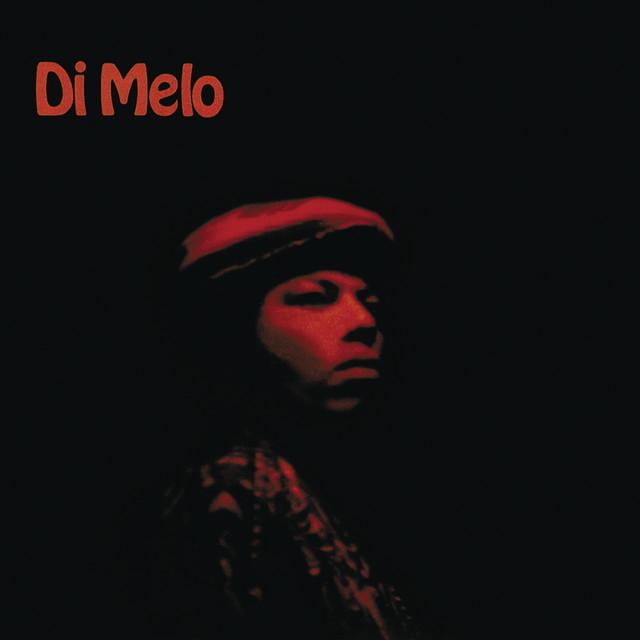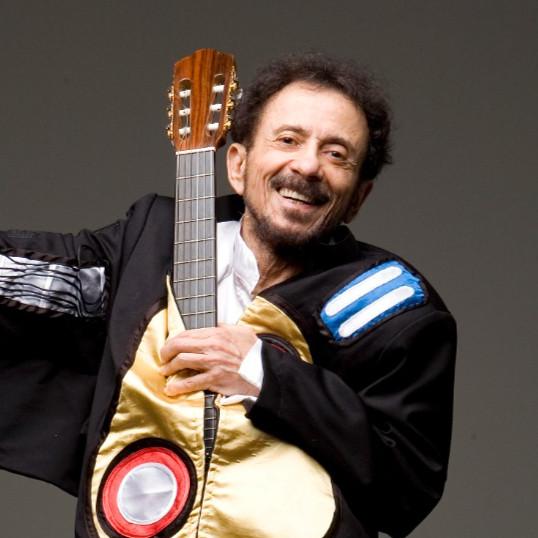
Antônio Carlos e Jocáfi

Pop
Latin Pop
Samba
 Viberate Rank: 76343
 Viberate Rank: 76343
 Monthly ListenersFollowers
 Subscribers
 Followers
 Followers
 FansTop Spotify Songs
| Track | 7-Day Streams | |
|---|---|---|
1 | 84.42K | |
2 | 46.66K | |
3 | 23.48K | |
4 | 14.18K | |
5 | 10.59K |
Top YouTube Videos| Video | 7-Day Views | |
|---|---|---|
1 | 8 |
Monthly ListenersFeatured in Playlists| Playlist | Followers | |
|---|---|---|
1 |  This Is Seu Jorge Spotify | 235.31K |
2 |  Canto aos Orixás Spotify | 181.22K |
3 |  Baile Maravilha Spotify | 120.65K |
4 |  Brasil Anos 70 Spotify | 108.20K |
5 |  This Is BaianaSystem Spotify | 88.06K |
Audience| City | Monthly Listeners | |
|---|---|---|
1 | | 55.41K |
2 | | 24.63K |
3 | | 22.41K |
4 | | 15.04K |
5 | | 14.13K |
See full performance history, audience data, playlist activity, rankings, comparisons, and more in Viberate music analytics. Start with a free trial, then continue with a paid plan.
Antônio Carlos e Jocáfi’s Spotify BioAntônio Carlos e Jocafi is a duo of very popular composers. Recorded by several interpreters and enjoying an international reputation, they've also recorded 13 albums as interpreters, from 1971 to 1996. The composer Antônio Carlos Marques Pinto was guitarist of the Carlos Lacerda Orchestra, having written "Festa no Terreiro de Alaketu," presented by Maria Creusa in 1967 in III Brazilian Popular Music Festival (FMPB). In the next year, they also teamed with the composer Jocafi (José Carlos Figueiredo), he wrote "Catendê," interpreted by Maria Creuza in the V FMPB (1969). Maria Creuza recorded that song in 1971 and also interpreted other creations by the duo in different records. In 1971, the duo recorded "Você Abusou," which had extraordinary success, having been re-recorded by different artists until today. They also had success in that period with "Mudei de Idéia" and "Desacato." The success in Brazil and abroad reached a peak with "Dona Flor e Seus Dois Maridos" and "Diacho de Dor,"… winner of the second place of the World Popular Song Festival (Tokyo, Japan). ~ Alvaro Neder, Rovi
Viberate is a music analytics platform built for A&Rs, artist managers, labels, booking agents, marketers, and artists.
It helps music professionals track artist growth, analyze audience data, monitor playlist activity, compare artists, follow song performance, and identify opportunities across the music market.
Public artist pages provide a free preview of selected artist data. Paid plans provide access to deeper analytics, historical data, charts, comparisons, playlist tools, exports, alerts, reports, and additional professional features.
Yes. Public Viberate artist pages provide selected artist analytics and music data for free.
Viberate also offers a 7-day free trial of the full platform. A credit card is required to start the trial. The trial includes access to the complete product so users can test deeper artist analytics, historical views, playlist insights, comparisons, charts, exports, alerts, and reporting features before choosing a paid plan.
Viberate provides artist analytics across streaming, playlists, social media, video, radio airplay, songs, and audience markets.
Users can analyze Spotify performance, Spotify and Apple Music playlists, YouTube activity, TikTok and Instagram growth, radio spins, song performance, audience locations, demographics, rankings, and overall artist momentum.
Artist profiles also connect to music charts, similar artists, and comparison tools, helping users benchmark performance and evaluate artists in context.
Viberate updates key artist and track data daily.
For followed artists and tracks, selected data is refreshed multiple times per day. This helps teams monitor playlist changes, streaming movement, audience growth, releases, and campaign performance with more current data.
Update frequency can vary depending on the metric and data source.
Yes. Viberate lets users compare up to five artists side by side across streaming, social media, audience, and engagement metrics.
Users can compare fanbase growth, audience demographics, locations, Spotify performance, social metrics, and other artist data over selected time periods.
Artist comparison can be used for A&R scouting, benchmarking, booking decisions, campaign planning, and evaluating artists with similar audiences or market positions.