Antonino Votto

Classical
Opera
 Viberate Rank: 242182
 Viberate Rank: 242182
 Monthly ListenersFollowers
 Subscribers
 Followers
 Followers
 FansTop Spotify Songs
| Track | 7-Day Streams | |
|---|---|---|
1 | 6.45K | |
2 | 5.02K | |
3 | 4.01K | |
4 | 1.89K | |
5 | 1.34K |
Top YouTube VideosMonthly ListenersFeatured in Playlists| Playlist | Followers | |
|---|---|---|
1 |  when THE headline finally drops riley <3 | 32.81K |
2 |  Maria Callas - Best of Warner Classics | 26.00K |
3 |  NPR Classical NPR Music | 14.43K |
4 |  Les plus grands airs d'opéra Erato France | 12.66K |
5 | Professor T VRT 1 | 8.49K |
Audience| City | Monthly Listeners | |
|---|---|---|
1 |  | 917 |
2 | | 581 |
3 |  | 558 |
4 |  | 534 |
5 |  | 414 |
See full performance history, audience data, playlist activity, rankings, comparisons, and more in Viberate music analytics. Start with a free trial, then continue with a paid plan.
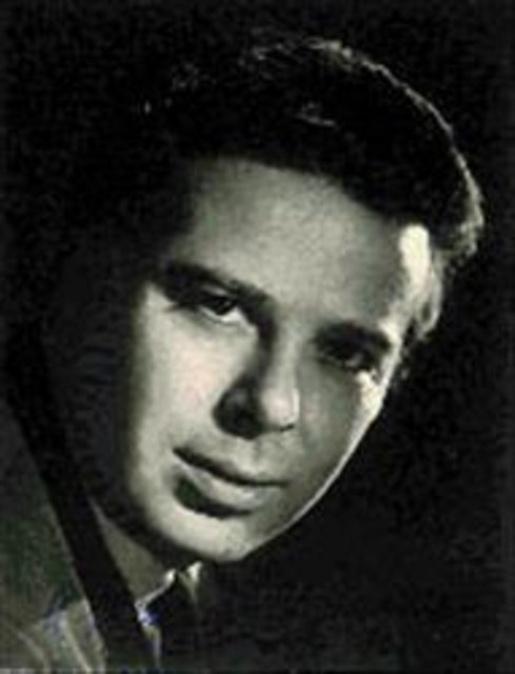
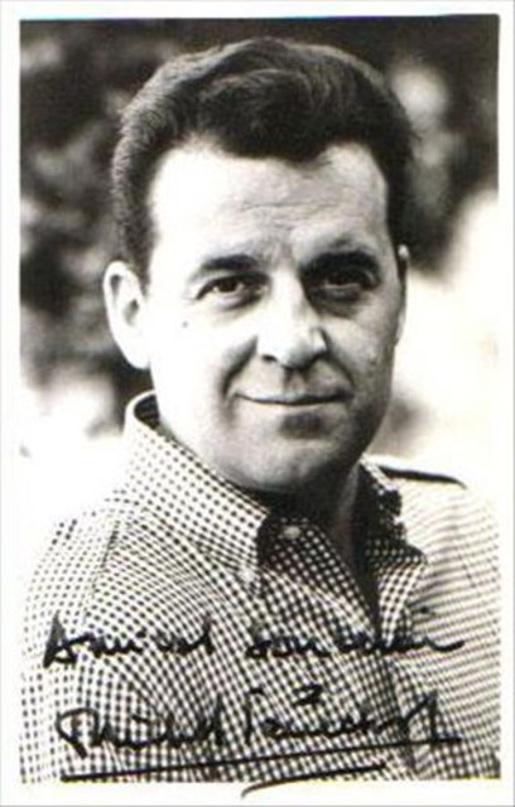
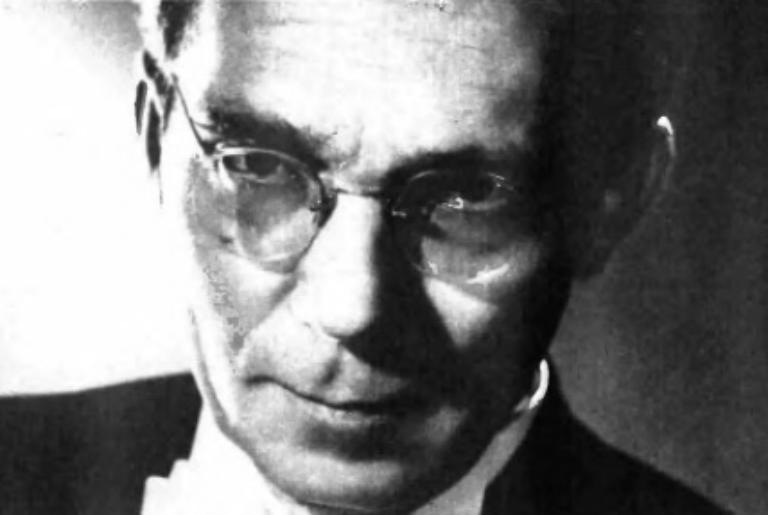
Antonino Votto’s Spotify BioItalian conductor Antonino Votto was a highly successful protégée of Arturo Toscanini. Votto rose to worldwide prominence in the 1950s largely on the strength of his numerous successful operatic recordings for EMI with popular soprano Maria Callas. But he also developed a reputation as one of the leading operatic conductors of his time owing to his many acclaimed performances at La Scala, in Milan, where he worked regularly for nearly two decades.
Votto was born in Piacenza, Italy, on October 30, 1896. He enrolled at the Naples Conservatory for music studies and after graduation served as répétiteur at La Scala. He was also an assistant conductor there to Arturo Toscanini. In 1923 Votto made his official debut, leading a performance of Puccini's Manon Lescaut.
With occasional appearances at La Scala and other major operatic venues in Italy and abroad, Votto gradually built a reputation as the one of the most outstanding conductors of Italian opera of his time. In 1941 he began teaching… at the Giuseppe Verdi Conservatory in Milan, the war limiting operatic activity in Italy and most parts of Europe. Over the years, his students included Claudio Abbado and Riccardo Muti.
Votto began conducting regularly at La Scala in 1948, though Victor de Sabata was the music director. In the recording studio and arguably in the live performances he led over the next two decades at La Scala, Votto would rival de Sabata, as well as his young successors there, Carlo Maria Giulini and Guido Cantelli.
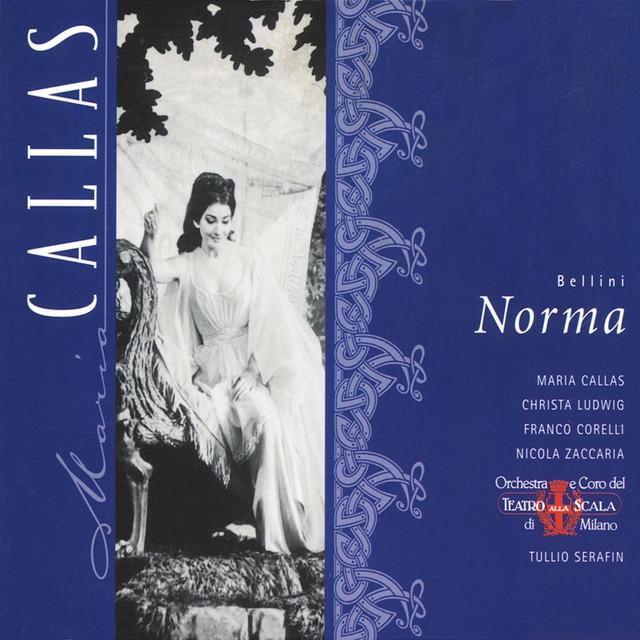
Votto made a series of highly successful recordings in the 1950s with Callas, based on extravagant productions staged at La Scala with the iconic soprano. Their collaborations on Puccini's La bohème (1956), Verdi's Un Ballo in Maschera (1956), and Bellini's La Sonnambula (1957), for EMI, were enthusiastically received by both critics and public. Surpassing this imposing trio, many believe, were their two live recordings of Bellini's Norma and Giordano's Andrea Chenier, both from 1955.
Though Votto had debuted at Covent Garden in 1924 in performances of Puccini's Madama Butterfly and Leoncavallo's I Pagliacci, his American debut did not come until 1960, when he appeared at the Chicago Lyric Opera to conduct two Verdi staples, Aida and Don Carlo. Votto remained active at La Scala until 1967. In his remaining years he limited conducting appearances. Votto died in Milan on September 9, 1985.
Viberate is a music analytics platform built for A&Rs, artist managers, labels, booking agents, marketers, and artists.
It helps music professionals track artist growth, analyze audience data, monitor playlist activity, compare artists, follow song performance, and identify opportunities across the music market.
Public artist pages provide a free preview of selected artist data. Paid plans provide access to deeper analytics, historical data, charts, comparisons, playlist tools, exports, alerts, reports, and additional professional features.
Yes. Public Viberate artist pages provide selected artist analytics and music data for free.
Viberate also offers a 7-day free trial of the full platform. A credit card is required to start the trial. The trial includes access to the complete product so users can test deeper artist analytics, historical views, playlist insights, comparisons, charts, exports, alerts, and reporting features before choosing a paid plan.
Viberate provides artist analytics across streaming, playlists, social media, video, radio airplay, songs, and audience markets.
Users can analyze Spotify performance, Spotify and Apple Music playlists, YouTube activity, TikTok and Instagram growth, radio spins, song performance, audience locations, demographics, rankings, and overall artist momentum.
Artist profiles also connect to music charts, similar artists, and comparison tools, helping users benchmark performance and evaluate artists in context.
Viberate updates key artist and track data daily.
For followed artists and tracks, selected data is refreshed multiple times per day. This helps teams monitor playlist changes, streaming movement, audience growth, releases, and campaign performance with more current data.
Update frequency can vary depending on the metric and data source.
Yes. Viberate lets users compare up to five artists side by side across streaming, social media, audience, and engagement metrics.
Users can compare fanbase growth, audience demographics, locations, Spotify performance, social metrics, and other artist data over selected time periods.
Artist comparison can be used for A&R scouting, benchmarking, booking decisions, campaign planning, and evaluating artists with similar audiences or market positions.