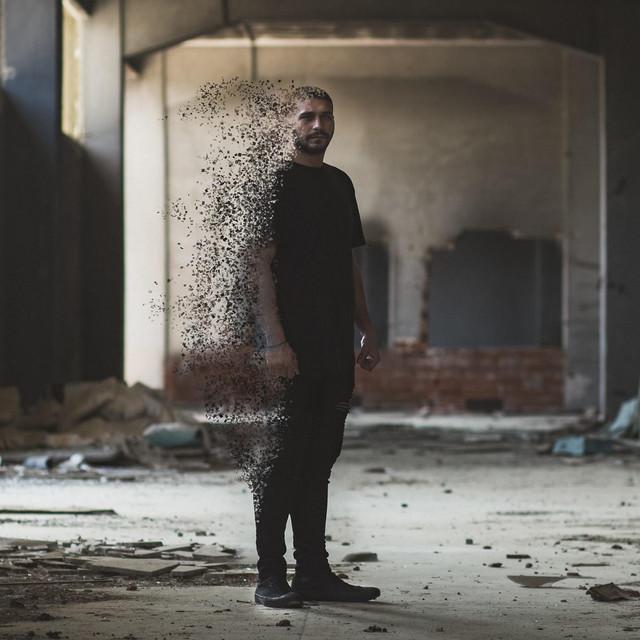
Anton Tumas

Electronic
House
Deep House
Tech House
 Viberate Rank: 288394
 Viberate Rank: 288394
 Monthly ListenersFollowers
 Subscribers
 Followers
 Followers
 FansTop Spotify SongsTop YouTube VideosMonthly ListenersFeatured in Playlists
| Playlist | Followers | |
|---|---|---|
1 |  All Day I Dream of Releases All Day I Dream | 22.61K |
2 | Full Length DJ Mixes - Continuous Mixes Evan Witten | 8.60K |
3 |  Resident 2026 by Hernan Cattaneo Uniqode Lab | 6.87K |
4 |  Organic Techno James Hawley | 2.50K |
5 |  Label: Sudbeat Music bertholvoet | 2.21K |
Audience| City | Monthly Listeners | |
|---|---|---|
1 |  | 39 |
2 |  | 26 |
3 | | 16 |
4 |  | 15 |
5 |  | 14 |
See full performance history, audience data, playlist activity, rankings, comparisons, and more in Viberate music analytics. Start with a free trial, then continue with a paid plan.
Anton Tumas’ Spotify BioAnton Tumas moves quietly but leaves deep footprints. DJ, sound designer, event architect, and founder of Subtract Music, he has spent more than a decade stripping away gimmicks and focusing on what actually matters: music, systems, and the people in front of them.
He’s played everywhere from LA warehouses to Moontribe, Burning Man, Lightning in a Bottle, Further Future, and Woogie Weekend, sharing the booth with Hernán Cattáneo, DJ Tennis, Danny Howells, and many more. His sets live in the overlap between deep house, techno, and hypnotic electronica, guided by a simple filter: forward‑thinking, emotionally honest, and built to last.
Subtract, the label, follows the same philosophy: release slowly, and only when the music demands it. That approach has built a catalog that spans emerging voices and veterans like John Digweed, Stimming, and Matthew Dekay, and it has carried Anton’s own productions to imprints such as All Day I Dream, Sudbeat, Balance, Endless, Sol Selectas, and Subtract… itself, including collaborations with Hernán Cattáneo, Dave DK, and Jamie Stevens.
Underneath all of this is one ongoing project: subtract everything inessential until only the real remains—whether that’s a record, a sound system, an event, or a moment on the dance floor. The landscape keeps evolving, and so does he, but the direction stays the same: less noise, more truth, and better bass.
Viberate is a music analytics platform built for A&Rs, artist managers, labels, booking agents, marketers, and artists.
It helps music professionals track artist growth, analyze audience data, monitor playlist activity, compare artists, follow song performance, and identify opportunities across the music market.
Public artist pages provide a free preview of selected artist data. Paid plans provide access to deeper analytics, historical data, charts, comparisons, playlist tools, exports, alerts, reports, and additional professional features.
Yes. Public Viberate artist pages provide selected artist analytics and music data for free.
Viberate also offers a 7-day free trial of the full platform. A credit card is required to start the trial. The trial includes access to the complete product so users can test deeper artist analytics, historical views, playlist insights, comparisons, charts, exports, alerts, and reporting features before choosing a paid plan.
Viberate provides artist analytics across streaming, playlists, social media, video, radio airplay, songs, and audience markets.
Users can analyze Spotify performance, Spotify and Apple Music playlists, YouTube activity, TikTok and Instagram growth, radio spins, song performance, audience locations, demographics, rankings, and overall artist momentum.
Artist profiles also connect to music charts, similar artists, and comparison tools, helping users benchmark performance and evaluate artists in context.
Viberate updates key artist and track data daily.
For followed artists and tracks, selected data is refreshed multiple times per day. This helps teams monitor playlist changes, streaming movement, audience growth, releases, and campaign performance with more current data.
Update frequency can vary depending on the metric and data source.
Yes. Viberate lets users compare up to five artists side by side across streaming, social media, audience, and engagement metrics.
Users can compare fanbase growth, audience demographics, locations, Spotify performance, social metrics, and other artist data over selected time periods.
Artist comparison can be used for A&R scouting, benchmarking, booking decisions, campaign planning, and evaluating artists with similar audiences or market positions.