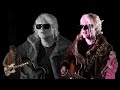
Anton Barbeau

Rock
Pop Rock
Power Pop
 Viberate Rank: 391573
 Viberate Rank: 391573
 Monthly ListenersFollowers
 Subscribers
 Followers
 Followers
 FansTop Spotify Songs
| Track | 7-Day Streams | |
|---|---|---|
1 | 86 | |
2 | 9 | |
3 | 9 | |
4 | 6 | |
5 | 6 |
Top YouTube VideosMonthly ListenersFeatured in Playlists| Playlist | Followers | |
|---|---|---|
1 |  Matador Recommends Matador Records | 4.81K |
2 |  History of Power Pop Luthercal | 2.00K |
3 |  WFMU's Heavily Played Records - 2020s Edition WFMU | 1.93K |
4 | Stuart Maconie's Freak Zone 🔊 (BBC 6 Music) reacharound98 | 1.12K |
Audience| City | Monthly Listeners | |
|---|---|---|
1 |  | 31 |
2 | | 26 |
3 | | 21 |
4 | | 19 |
5 |  | 17 |
See full performance history, audience data, playlist activity, rankings, comparisons, and more in Viberate music analytics. Start with a free trial, then continue with a paid plan.
Anton Barbeau’s Spotify BioThe term "cult hero" was practically created for Anton Barbeau, whose surreal yet melodious psychedelic guitar pop bears the stamp of predecessors like XTC, Syd Barrett, Julian Cope, and Robyn Hitchcock. He first gained traction in the pop underground in 1994 after his debut long-player, The Horse's Tongue, took home the Sammie (Sacramento Area Music Awards) for album of the year. Since then, he has released a steady stream of acclaimed albums, including Drug Free, In the Village of the Apple Sun, Manbird, and Power Pop!!!, and has collaborated with members of XTC, the Soft Boys, the Bevis Frond, Cake, the Loud Family, Elf Power, and the Corner Laughers, among others.
Born and raised in Sacramento, California, Barbeau began honing his self-described "pre-apocalyptic psychedelic pop" in the 1980s. After achieving regional success in the early 1990s, the noted anglophile began splitting his time between Sacramento and the U.K., releasing albums on various labels such as Idiot, Frigidisk,… and 125 Records. In 1999, he released Antology, Vol. 1, a compilation of material previously available on cassette only, and A Splendid Tray, which featured guest appearances by the Loud Family's Scott Miller and Cake's Gabe Nelson. 2003 saw the release of King of Missouri, which was produced in England with members of fellow psych-pop enthusiasts the Bevis Frond. He collaborated again with Scott Miller on the 2006 Loud Family release What If it Works?, and later that year released two of his most revered solo efforts, Drug Free and In the Village of the Apple Sun. Automatic Door and Plastic Guitar appeared in 2007 and 2009, respectively, followed by Psychedelic Mynde of Moses in 2010. He worked with Sacramento singer Allyson Seconds on her 2009 effort Bag of Kittens and again in 2016 on Little World, the latter of which featured guest spots from Colin Moulding (XTC), Kimberley Rew (the Soft Boys and Katrina and the Waves), and Scott Miller. He recorded two albums with Andy Metcalfe and Morris Windsor (Robyn Hitchcock & the Egyptians) under the moniker Three Minute Tease (who released 2011's Three Minute Tease and 2014's Bite the Hand), and in 2016 he issued Magic Act on the Spanish label You Are the Cosmos. Natural Causes arrived two years later, followed by a string of well-received solo efforts, including Manbird (2020), Oh the Joys We Live For (2021), and Power Pop!!! (2022). ~ James Christopher Monger, Rovi
Viberate is a music analytics platform built for A&Rs, artist managers, labels, booking agents, marketers, and artists.
It helps music professionals track artist growth, analyze audience data, monitor playlist activity, compare artists, follow song performance, and identify opportunities across the music market.
Public artist pages provide a free preview of selected artist data. Paid plans provide access to deeper analytics, historical data, charts, comparisons, playlist tools, exports, alerts, reports, and additional professional features.
Yes. Public Viberate artist pages provide selected artist analytics and music data for free.
Viberate also offers a 7-day free trial of the full platform. A credit card is required to start the trial. The trial includes access to the complete product so users can test deeper artist analytics, historical views, playlist insights, comparisons, charts, exports, alerts, and reporting features before choosing a paid plan.
Viberate provides artist analytics across streaming, playlists, social media, video, radio airplay, songs, and audience markets.
Users can analyze Spotify performance, Spotify and Apple Music playlists, YouTube activity, TikTok and Instagram growth, radio spins, song performance, audience locations, demographics, rankings, and overall artist momentum.
Artist profiles also connect to music charts, similar artists, and comparison tools, helping users benchmark performance and evaluate artists in context.
Viberate updates key artist and track data daily.
For followed artists and tracks, selected data is refreshed multiple times per day. This helps teams monitor playlist changes, streaming movement, audience growth, releases, and campaign performance with more current data.
Update frequency can vary depending on the metric and data source.
Yes. Viberate lets users compare up to five artists side by side across streaming, social media, audience, and engagement metrics.
Users can compare fanbase growth, audience demographics, locations, Spotify performance, social metrics, and other artist data over selected time periods.
Artist comparison can be used for A&R scouting, benchmarking, booking decisions, campaign planning, and evaluating artists with similar audiences or market positions.