Anti-Corpos

Punk
Hardcore Punk
Punk Rock
 Viberate Rank: 352221
 Viberate Rank: 352221
 Monthly ListenersFollowers
 Subscribers
 Followers
 Followers
 FansTop Spotify Songs
| Track | 7-Day Streams | |
|---|---|---|
1 | 70 | |
2 | 42 | |
3 | 40 | |
4 | 33 | |
5 | 32 |
Top YouTube VideosMonthly ListenersFeatured in Playlists| Playlist | Followers | |
|---|---|---|
1 |  lesbian punk <3 olly🎩 | 3.89K |
2 |  Queercore (Lgbtq+ Punk music) Ps1 metalhead | 3.77K |
3 |  Punk Femenino 💜 Sadie | 3.14K |
4 |  Melhor Ja ir na Papudinha Punkzilla! | 2.88K |
5 |  Crossover, Thrash & Hardcore - Brasil Punkzilla! | 2.42K |
Audience| City | Monthly Listeners | |
|---|---|---|
1 |  | 90 |
2 | | 29 |
3 | | 22 |
4 | | 21 |
5 | | 16 |
See full performance history, audience data, playlist activity, rankings, comparisons, and more in Viberate music analytics. Start with a free trial, then continue with a paid plan.
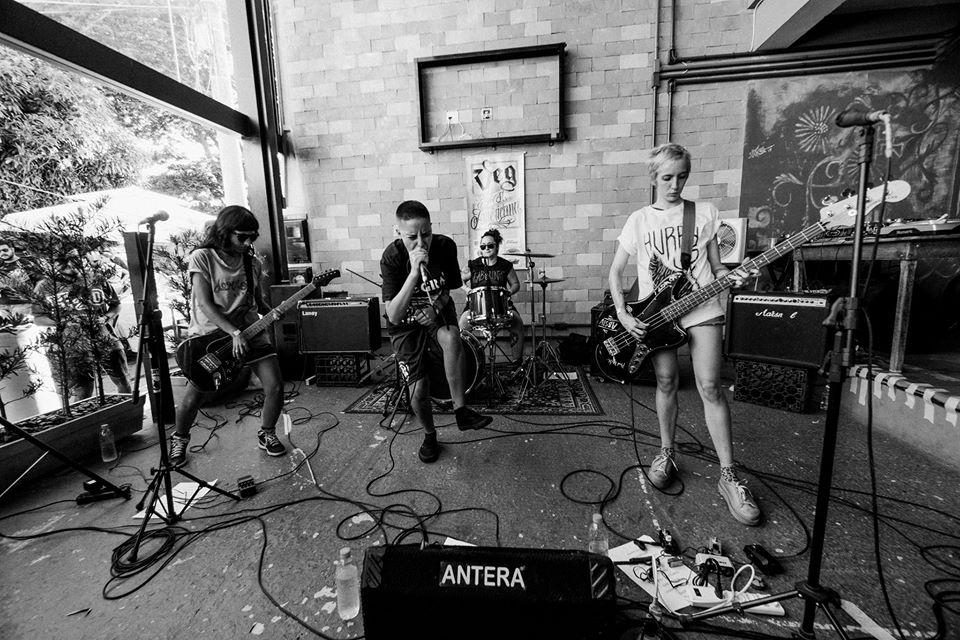
Anti-Corpos’ Spotify BioBorn in Brazil in 2002, Anti-Corpos the queer-(post)-hardcore-noise
band, has fought for gender equality in heavy music since the
beginning.
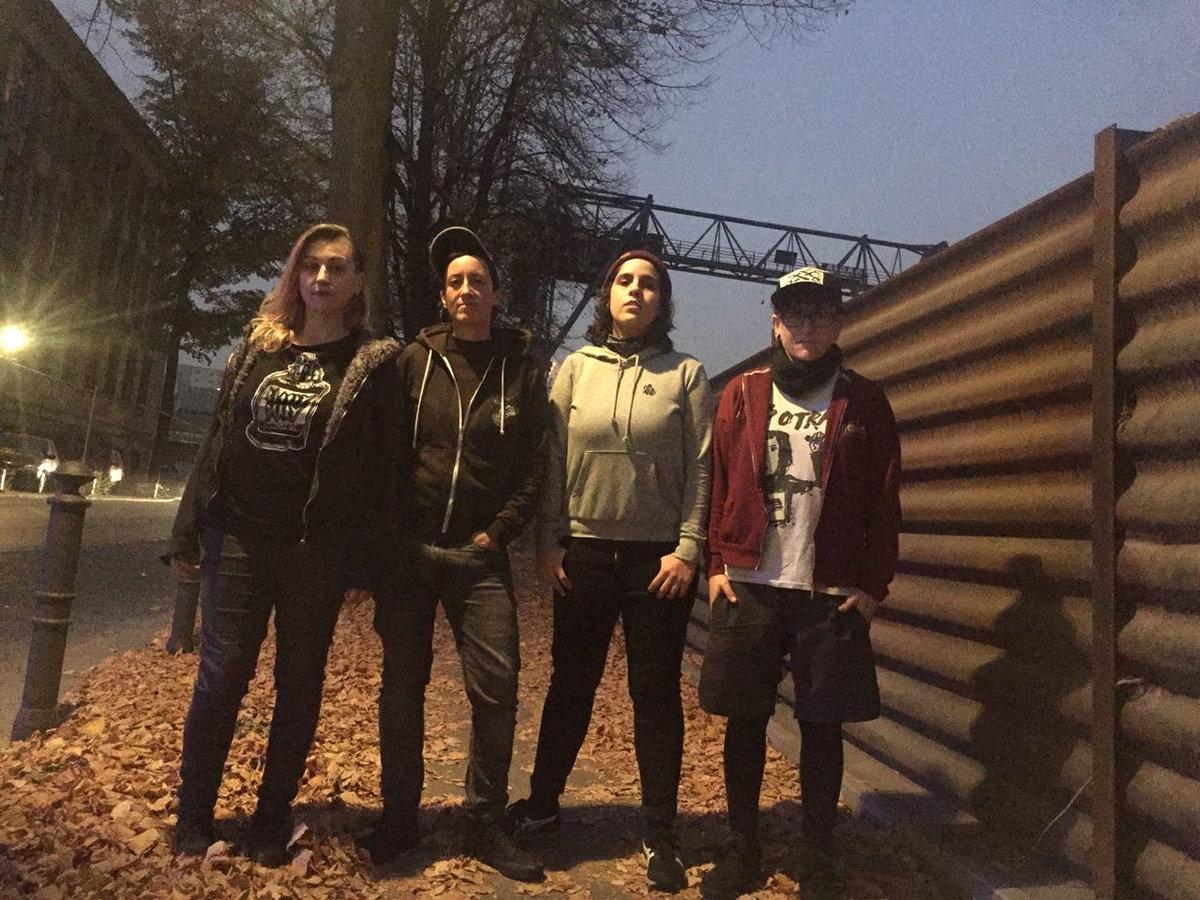
The band, now based in Berlin consists of; Adriessa Souza -
vocals/bass (Eat My Fear, Dominatrix), Helena Krausz -drums- (Eat My
Fear, Gegenüber), and Irem Kara -vocals/guitar- (Nervöus,
Hoarse). With their new formation the band brings even more ethnic
diversity on western stages and spreads awareness for
underrepresented minority groups throughout the European music
scene.
Anti-corpos’ lyrics focus on themes of feminism, anti-homophobia, antiracism, and self-care. With fast and heavy riffs, the band shifts between
dark grooves and chaotic noise, the trio delivers a visceral live
performance.
With several tours in Brazil, The UK and Europe, Anti-Corpos has
played at several Festivals including: Puntala Festival, Fluff Fest,
LadyFest, Fusion Festival, Dyke March, LDCM, No Gods No Masters,
Miss the Stars.
Anti-Corpos has released 5 EPs, 2 of them released by the… German
label EMANCIPUNX Records and 3 music videos.
Anti-Corpos recorded a demo in late 2023, with plans to release in
early 2024. They are planning to record a full length record in the of
2024.
Viberate is a music analytics platform built for A&Rs, artist managers, labels, booking agents, marketers, and artists.
It helps music professionals track artist growth, analyze audience data, monitor playlist activity, compare artists, follow song performance, and identify opportunities across the music market.
Public artist pages provide a free preview of selected artist data. Paid plans provide access to deeper analytics, historical data, charts, comparisons, playlist tools, exports, alerts, reports, and additional professional features.
Yes. Public Viberate artist pages provide selected artist analytics and music data for free.
Viberate also offers a 7-day free trial of the full platform. A credit card is required to start the trial. The trial includes access to the complete product so users can test deeper artist analytics, historical views, playlist insights, comparisons, charts, exports, alerts, and reporting features before choosing a paid plan.
Viberate provides artist analytics across streaming, playlists, social media, video, radio airplay, songs, and audience markets.
Users can analyze Spotify performance, Spotify and Apple Music playlists, YouTube activity, TikTok and Instagram growth, radio spins, song performance, audience locations, demographics, rankings, and overall artist momentum.
Artist profiles also connect to music charts, similar artists, and comparison tools, helping users benchmark performance and evaluate artists in context.
Viberate updates key artist and track data daily.
For followed artists and tracks, selected data is refreshed multiple times per day. This helps teams monitor playlist changes, streaming movement, audience growth, releases, and campaign performance with more current data.
Update frequency can vary depending on the metric and data source.
Yes. Viberate lets users compare up to five artists side by side across streaming, social media, audience, and engagement metrics.
Users can compare fanbase growth, audience demographics, locations, Spotify performance, social metrics, and other artist data over selected time periods.
Artist comparison can be used for A&R scouting, benchmarking, booking decisions, campaign planning, and evaluating artists with similar audiences or market positions.