Anthony Rooley

Classical
Opera
Other European Music
 Viberate Rank: 327805
 Viberate Rank: 327805
 Monthly ListenersFollowers
 Subscribers
 Followers
 Followers
 FansTop Spotify Songs
| Track | 7-Day Streams | |
|---|---|---|
1 | 5.29K | |
2 | 1.15K | |
3 | 1.01K | |
4 | 767 | |
5 | 497 |
Top YouTube VideosMonthly ListenersFeatured in Playlists| Playlist | Followers | |
|---|---|---|
1 |  medieval vibes Spotify | 500.32K |
2 |  Renaissance Classics Spotify | 74.13K |
3 |  This Is Purcell Spotify | 35.80K |
4 |  ASSTRONOMY 202 caneronwinter | 30.87K |
5 |  Year of Wonder : Classical Music for Every Day - Clemency Burton-Hill lilham | 16.11K |
Audience| City | Monthly Listeners | |
|---|---|---|
1 | | 455 |
2 |  | 449 |
3 |  | 350 |
4 |  | 287 |
5 | | 265 |
See full performance history, audience data, playlist activity, rankings, comparisons, and more in Viberate music analytics. Start with a free trial, then continue with a paid plan.
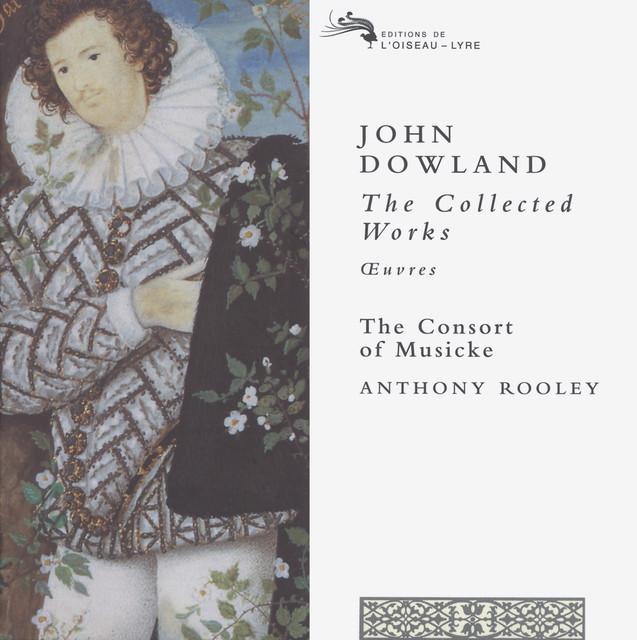
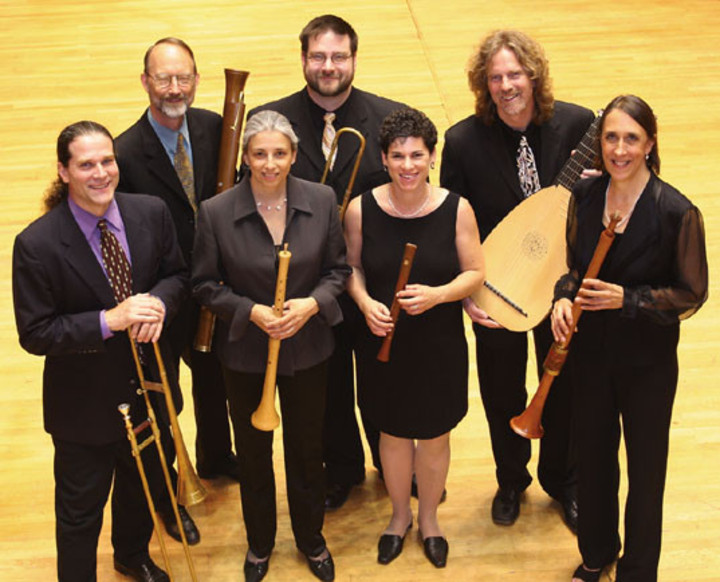
Anthony Rooley’s Spotify BioAnthony Rooley began his musical career as a classical guitarist, studying with Hector Quine at the Royal Academy of Music. By his own description, he felt "misfit" in this young performance program; he began teaching himself to play the lute, making his own transcriptions from the academy's library. While teaching at the RAM after graduation, Rooley formed the ensemble Consort of Musicke with James Tyler, lutenist and viol player. From its 1969 inception, the ensemble gave instrumental performances, often adding a single voice, of late Renaissance and early Baroque secular music. After a 1978 grant from the British Arts Council (and a new recording contract with Decca), Rooley and the Consort of Musicke began a long specialization in the madrigal repertory. His extensive discography highlights the music of lesser-known 17th century composers John Coprario, Sigismondo d'India, Henry Lawes, Biagio Marini, Barbara Strozzi, Giaches de Wert, John Ward. It often features integral recordings… of complete published collections; his work may be found on l'Oiseau-Lyre, Harmonia Mundi, Hyperion, Virgin, and ASV, as well as his own label, Musica Oscura. Rooley's ensembles, freely alternating between all-vocal and accompanied orchestrations, have been credited with "bold elasticity of dynamics and phrasing," as well as an audible theatricality. In live performance, Rooley's musicians often intensify this with gesture and choreography. The dramatic renditions follow directly from his fascination with contemporary philosophy. Quoting Marsilio Ficino and other 16th century sources, Rooley seeks an "Orphic" performance of music that can bring the soul of the listener -- through the medium of the senses -- face to face with the Divine.
Viberate is a music analytics platform built for A&Rs, artist managers, labels, booking agents, marketers, and artists.
It helps music professionals track artist growth, analyze audience data, monitor playlist activity, compare artists, follow song performance, and identify opportunities across the music market.
Public artist pages provide a free preview of selected artist data. Paid plans provide access to deeper analytics, historical data, charts, comparisons, playlist tools, exports, alerts, reports, and additional professional features.
Yes. Public Viberate artist pages provide selected artist analytics and music data for free.
Viberate also offers a 7-day free trial of the full platform. A credit card is required to start the trial. The trial includes access to the complete product so users can test deeper artist analytics, historical views, playlist insights, comparisons, charts, exports, alerts, and reporting features before choosing a paid plan.
Viberate provides artist analytics across streaming, playlists, social media, video, radio airplay, songs, and audience markets.
Users can analyze Spotify performance, Spotify and Apple Music playlists, YouTube activity, TikTok and Instagram growth, radio spins, song performance, audience locations, demographics, rankings, and overall artist momentum.
Artist profiles also connect to music charts, similar artists, and comparison tools, helping users benchmark performance and evaluate artists in context.
Viberate updates key artist and track data daily.
For followed artists and tracks, selected data is refreshed multiple times per day. This helps teams monitor playlist changes, streaming movement, audience growth, releases, and campaign performance with more current data.
Update frequency can vary depending on the metric and data source.
Yes. Viberate lets users compare up to five artists side by side across streaming, social media, audience, and engagement metrics.
Users can compare fanbase growth, audience demographics, locations, Spotify performance, social metrics, and other artist data over selected time periods.
Artist comparison can be used for A&R scouting, benchmarking, booking decisions, campaign planning, and evaluating artists with similar audiences or market positions.