Anthony Lewis

R&B
Contemporary R&B
Mainstream Pop
 Viberate Rank: 128300
 Viberate Rank: 128300
 Monthly ListenersFollowers
 Subscribers
 Followers
 Followers
 FansTop Spotify Songs
| Track | 7-Day Streams | |
|---|---|---|
1 | 4.31K | |
2 | 2.63K | |
3 | 1.43K | |
4 | 1.07K | |
5 | 883 |
Top YouTube VideosMonthly ListenersFeatured in Playlists| Playlist | Followers | |
|---|---|---|
1 | R&B + Hip Hop 2010-2020 Arben Duci | 34.64K |
2 | Kodak Black’s Best Hits🔥 KrazyStoner | 16.18K |
3 | JoJo - 'Marvin's Room (Can't Do Better)' Greg | 14.86K |
4 | Sean Haney | 12.16K |
5 | Soved. | 10.08K |
Audience| City | Monthly Listeners | |
|---|---|---|
1 |  | 1.05K |
2 | | 625 |
3 | | 616 |
4 |  | 515 |
5 |  | 415 |
See full performance history, audience data, playlist activity, rankings, comparisons, and more in Viberate music analytics. Start with a free trial, then continue with a paid plan.
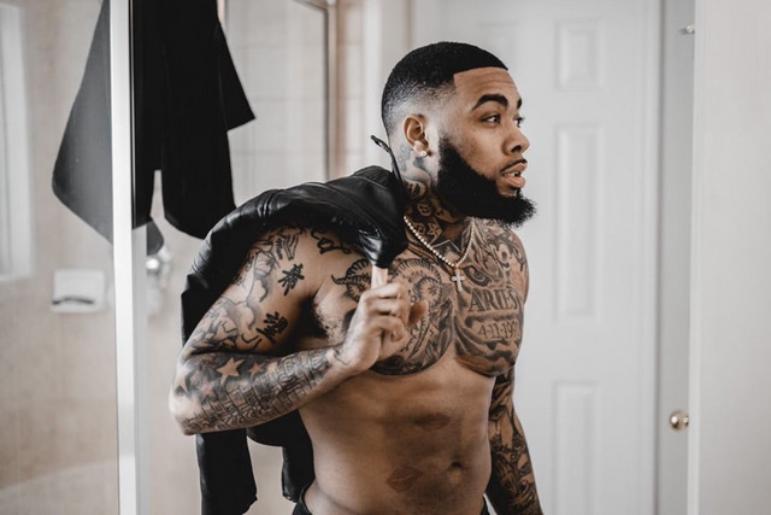
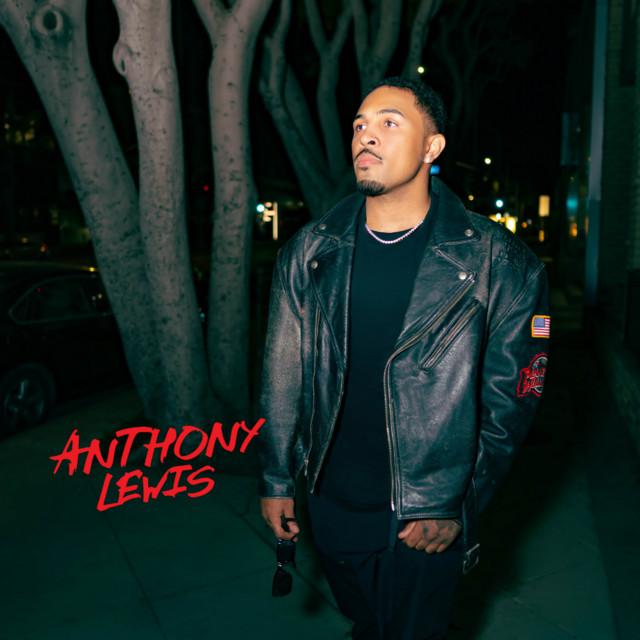
Anthony Lewis’ Spotify BioFor LA artist, Anthony Lewis, music runs deep in his blood. Inspired by pop-R&B and the sounds of the 90s, Anthony Lewis never tries to limit himself when it comes to making music. Drawing influences from idols such as After 7, Jodeci, Usher and Justin Timberlake, Anthony crafts songs that blend smooth production with 90s characteristics for a nostalgic, yet contemporary vibe.
Anthony Lewis has always been destined for stardom. Growing up in a household where both of his parents were musicians and actors, it was inevitable that Anthony would be surrounded by music and the freedom of creativity. His father was a member of the R&B group Az Yet, signed to La FaceRecords, while his mother was signed to a major record label and toured extensively across the country.
Anthony’s own musical journey began as a young teenager when he launched his YouTube channel and began posting videos of cover songs, such as Bruno Mars’ ‘Grenade’ and Frank Ocean’s ‘Thinkin Bout You’. Influenced by the likes of… Michael Jackson’s signature moonwalking, Anthony Lewis also discovered a talent for dancing and soon movement and music became two of his biggest passions as his audience expanded. His creativity was further pursued through acting and in 2020, he starred in Tyler Perry’s Madea’s Farewell Play.
Anthony Lewis’s soulful music has won over the hearts of many listeners. He is now set to release his highly anticipated 6-track EP ‘IT’S A LEWIS’ February 2024.
Viberate is a music analytics platform built for A&Rs, artist managers, labels, booking agents, marketers, and artists.
It helps music professionals track artist growth, analyze audience data, monitor playlist activity, compare artists, follow song performance, and identify opportunities across the music market.
Public artist pages provide a free preview of selected artist data. Paid plans provide access to deeper analytics, historical data, charts, comparisons, playlist tools, exports, alerts, reports, and additional professional features.
Yes. Public Viberate artist pages provide selected artist analytics and music data for free.
Viberate also offers a 7-day free trial of the full platform. A credit card is required to start the trial. The trial includes access to the complete product so users can test deeper artist analytics, historical views, playlist insights, comparisons, charts, exports, alerts, and reporting features before choosing a paid plan.
Viberate provides artist analytics across streaming, playlists, social media, video, radio airplay, songs, and audience markets.
Users can analyze Spotify performance, Spotify and Apple Music playlists, YouTube activity, TikTok and Instagram growth, radio spins, song performance, audience locations, demographics, rankings, and overall artist momentum.
Artist profiles also connect to music charts, similar artists, and comparison tools, helping users benchmark performance and evaluate artists in context.
Viberate updates key artist and track data daily.
For followed artists and tracks, selected data is refreshed multiple times per day. This helps teams monitor playlist changes, streaming movement, audience growth, releases, and campaign performance with more current data.
Update frequency can vary depending on the metric and data source.
Yes. Viberate lets users compare up to five artists side by side across streaming, social media, audience, and engagement metrics.
Users can compare fanbase growth, audience demographics, locations, Spotify performance, social metrics, and other artist data over selected time periods.
Artist comparison can be used for A&R scouting, benchmarking, booking decisions, campaign planning, and evaluating artists with similar audiences or market positions.