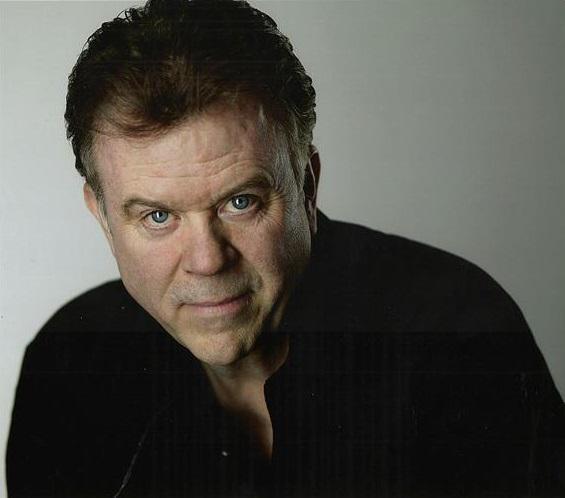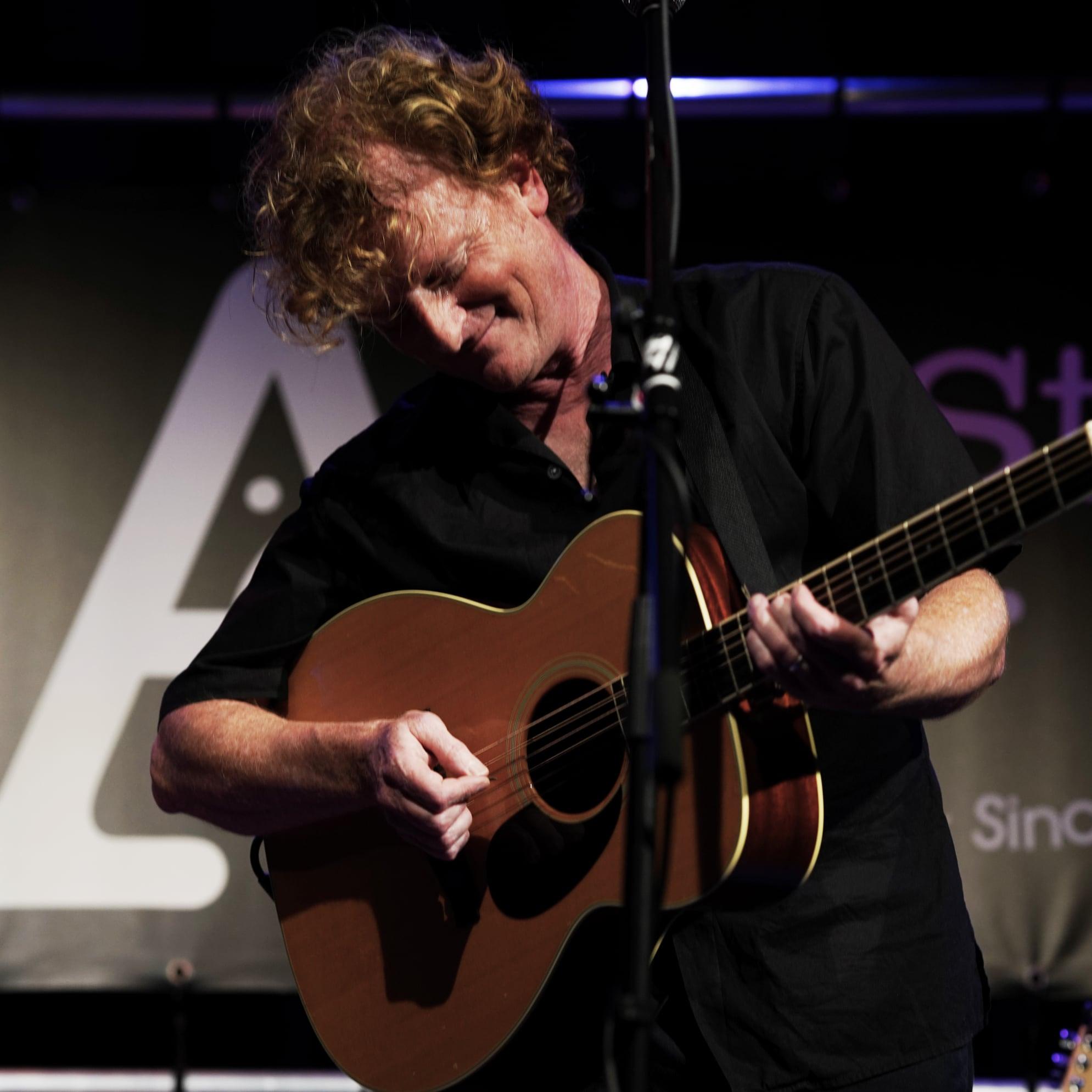
Anthony John Clarke

Country
Americana/Alt Country
Folk
 Viberate Rank: 884504
 Viberate Rank: 884504
 Monthly ListenersFollowers
 Subscribers
 Followers
 Followers
 FansTop Spotify SongsTop YouTube VideosMonthly ListenersFeatured in PlaylistsAudience
| City | Monthly Listeners | |
|---|---|---|
1 |  | 10 |
2 | | 6 |
3 | | 5 |
4 |  | 3 |
5 |  | 3 |
See full performance history, audience data, playlist activity, rankings, comparisons, and more in Viberate music analytics. Start with a free trial, then continue with a paid plan.
Anthony John Clarke’s Spotify BioAs a singer, songwriter, guitarist, and recording artists, Anthony John Clark found his way into the professional side of music around 1991. Since then he has performed all over the world and completed a number of albums that have brought him positive reviews and plenty of loyal fans, young and old. His music is a style of folk that can be both insightful and humorous. Raised in Ireland, Clarke's first real career was that of a teacher. At the start of the '90s, he moved full-time into being a music artist. His debut album, I Get Lost, brought enough success to give him the courage to move forward. In 1994, he finished a sophomore full-length offering, Keep in Touch. It was followed by Straight on, No Problem, and then in 1997 by A Sideways Glance. Love in a Box came next. Clark kept up a steady touring schedule when not working on a new album, appearing at clubs, concert halls, festivals, and any where else an audience could be gathered to enjoy his songs. With the help of radio… stations his music reached fans not only in Ireland, but also in places like North America, Australia, Europe, and China.
Once a teacher always a teacher, so some say. And Anthony John Clark has never complete left the school behind. He has performed many times at small schools and large colleges, reaching out to young people with his folk songs and his love for music, hoping to share both. Some of the tunes fans can sample on his recordings are "Seven in Ireland," "Wanted," "No Party's Quite the Same," "Irish Eyes," "Short Weekend," "Old Lovers," "Too Long at the Fair," and "But Then I'm Irish." ~ Charlotte Dillon
Viberate is a music analytics platform built for A&Rs, artist managers, labels, booking agents, marketers, and artists.
It helps music professionals track artist growth, analyze audience data, monitor playlist activity, compare artists, follow song performance, and identify opportunities across the music market.
Public artist pages provide a free preview of selected artist data. Paid plans provide access to deeper analytics, historical data, charts, comparisons, playlist tools, exports, alerts, reports, and additional professional features.
Yes. Public Viberate artist pages provide selected artist analytics and music data for free.
Viberate also offers a 7-day free trial of the full platform. A credit card is required to start the trial. The trial includes access to the complete product so users can test deeper artist analytics, historical views, playlist insights, comparisons, charts, exports, alerts, and reporting features before choosing a paid plan.
Viberate provides artist analytics across streaming, playlists, social media, video, radio airplay, songs, and audience markets.
Users can analyze Spotify performance, Spotify and Apple Music playlists, YouTube activity, TikTok and Instagram growth, radio spins, song performance, audience locations, demographics, rankings, and overall artist momentum.
Artist profiles also connect to music charts, similar artists, and comparison tools, helping users benchmark performance and evaluate artists in context.
Viberate updates key artist and track data daily.
For followed artists and tracks, selected data is refreshed multiple times per day. This helps teams monitor playlist changes, streaming movement, audience growth, releases, and campaign performance with more current data.
Update frequency can vary depending on the metric and data source.
Yes. Viberate lets users compare up to five artists side by side across streaming, social media, audience, and engagement metrics.
Users can compare fanbase growth, audience demographics, locations, Spotify performance, social metrics, and other artist data over selected time periods.
Artist comparison can be used for A&R scouting, benchmarking, booking decisions, campaign planning, and evaluating artists with similar audiences or market positions.