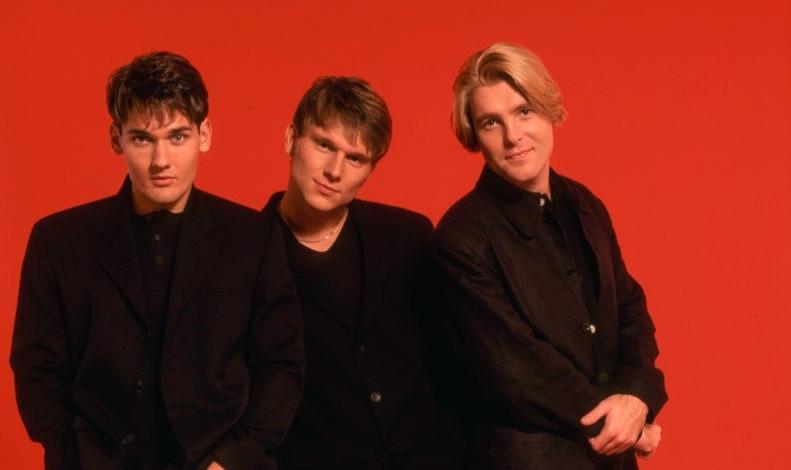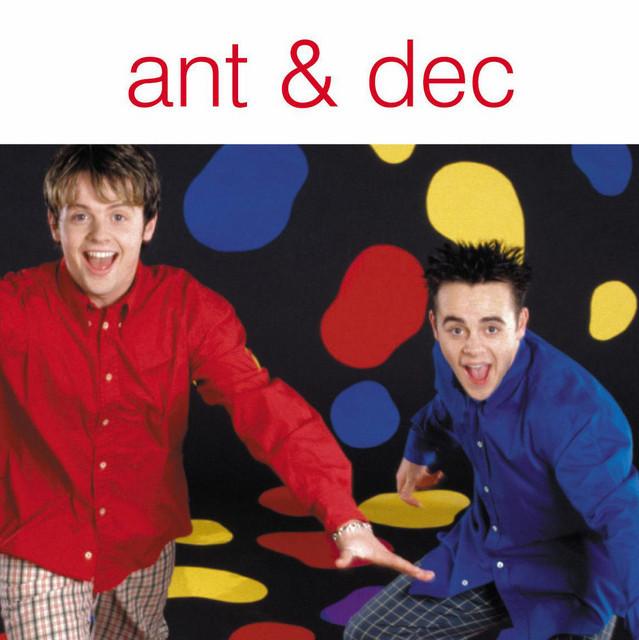
Ant & Dec

Pop
Mainstream Pop
Contemporary Hip Hop
Contemporary R&B
 Viberate Rank: 1089335
 Viberate Rank: 1089335
 Monthly ListenersFollowers
 Subscribers
 Followers
 Followers
 FansTop Spotify Songs
| Track | 7-Day Streams | |
|---|---|---|
1 | 21.14K | |
2 | 21.14K | |
3 | 4.10K | |
4 | 3.10K | |
5 | 1.74K |
Top YouTube VideosMonthly ListenersFeatured in Playlists| Playlist | Followers | |
|---|---|---|
1 |  Derry Girls: Every Single Fab Tune Rory McEvoy | 128.86K |
2 | Mat Young | 67.69K |
3 |  Now 1 - 114 (1983 - 2023) Now That's What I Call Music 1 - 114 abundantmusic | 56.69K |
4 |  90s Hits DJ Master Mac | 51.35K |
5 |  90s/00s Party Playlist Megan | 40.52K |
Audience| City | Monthly Listeners | |
|---|---|---|
1 | | 1.95K |
2 | | 1.19K |
3 |  | 841 |
4 | | 578 |
5 |  | 564 |
See full performance history, audience data, playlist activity, rankings, comparisons, and more in Viberate music analytics. Start with a free trial, then continue with a paid plan.
Ant & Dec’s Spotify BioArguably the most successful all-round entertainers of their generation in the U.K., the inseparable Ant & Dec were one of the most consistent pop acts of the mid-'90s. The pair met while working on the CBBC drama Byker Grove, and in 1994, they signed to Telstar Records under their character names, PJ & Duncan. Their breakthrough came with third release, "Let's Get Ready to Rhumble," which reached number nine and was later nominated for Best British Single at the Brit Awards, while their debut album, Psyche, sold over half a million copies. After a sold-out tour, where they were supported by a pre-famous Backstreet Boys, follow-up Top Katz charted at number 11 in 1995. Two years later, Ant & Dec reverted back to their real names for their more mature guitar-led third album, The Cult of Ant & Dec. Following their last single, "Falling," at the end of 1997, they decided to concentrate on their television career. Their self-titled BBC show and Channel 4's Unzipped both won BAFTAs, but it… was their highly inventive SMTV/CD:UK Saturday morning series that endeared them to the nation. They made the step up to prime-time hosts with the hugely successful Pop Idol, and later went onto present I'm a Celebrity…Get Me Out of Here, Britain's Got Talent, and Saturday Night Takeaway. They returned to music in 2002, when they reached number three with "On the Ball," the official England Anthem for the South Korea/Japan World Cup, and in 2006, they starred in their first movie, the British comedy Alien Autopsy. ~ Jon O'Brien, Rovi
Viberate is a music analytics platform built for A&Rs, artist managers, labels, booking agents, marketers, and artists.
It helps music professionals track artist growth, analyze audience data, monitor playlist activity, compare artists, follow song performance, and identify opportunities across the music market.
Public artist pages provide a free preview of selected artist data. Paid plans provide access to deeper analytics, historical data, charts, comparisons, playlist tools, exports, alerts, reports, and additional professional features.
Yes. Public Viberate artist pages provide selected artist analytics and music data for free.
Viberate also offers a 7-day free trial of the full platform. A credit card is required to start the trial. The trial includes access to the complete product so users can test deeper artist analytics, historical views, playlist insights, comparisons, charts, exports, alerts, and reporting features before choosing a paid plan.
Viberate provides artist analytics across streaming, playlists, social media, video, radio airplay, songs, and audience markets.
Users can analyze Spotify performance, Spotify and Apple Music playlists, YouTube activity, TikTok and Instagram growth, radio spins, song performance, audience locations, demographics, rankings, and overall artist momentum.
Artist profiles also connect to music charts, similar artists, and comparison tools, helping users benchmark performance and evaluate artists in context.
Viberate updates key artist and track data daily.
For followed artists and tracks, selected data is refreshed multiple times per day. This helps teams monitor playlist changes, streaming movement, audience growth, releases, and campaign performance with more current data.
Update frequency can vary depending on the metric and data source.
Yes. Viberate lets users compare up to five artists side by side across streaming, social media, audience, and engagement metrics.
Users can compare fanbase growth, audience demographics, locations, Spotify performance, social metrics, and other artist data over selected time periods.
Artist comparison can be used for A&R scouting, benchmarking, booking decisions, campaign planning, and evaluating artists with similar audiences or market positions.