Annea Lockwood

Electronic
Other Electronic Music
 Viberate Rank: 406570
 Viberate Rank: 406570
 Monthly ListenersFollowers
 Subscribers
 Followers
 Followers
 FansTop Spotify Songs
| Track | 7-Day Streams | |
|---|---|---|
1 | 34 | |
2 | 32 | |
3 | 31 | |
4 | 29 | |
5 | 26 |
Top YouTube VideosMonthly ListenersFeatured in Playlists| Playlist | Followers | |
|---|---|---|
1 | 1200 Years of Women Composers Ulysses' Classical | 14.93K |
2 |  Stroom 〰 Spring Summer Stroom | 3.60K |
3 | 100 Best Field Recordings Scott Preston | 3.11K |
4 |  Pink Corners jcantu | 1.53K |
5 |  Experimental julien | 1.40K |
Audience| City | Monthly Listeners | |
|---|---|---|
1 | | 24 |
2 |  | 15 |
3 | | 14 |
4 |  | 12 |
5 | | 11 |
See full performance history, audience data, playlist activity, rankings, comparisons, and more in Viberate music analytics. Start with a free trial, then continue with a paid plan.
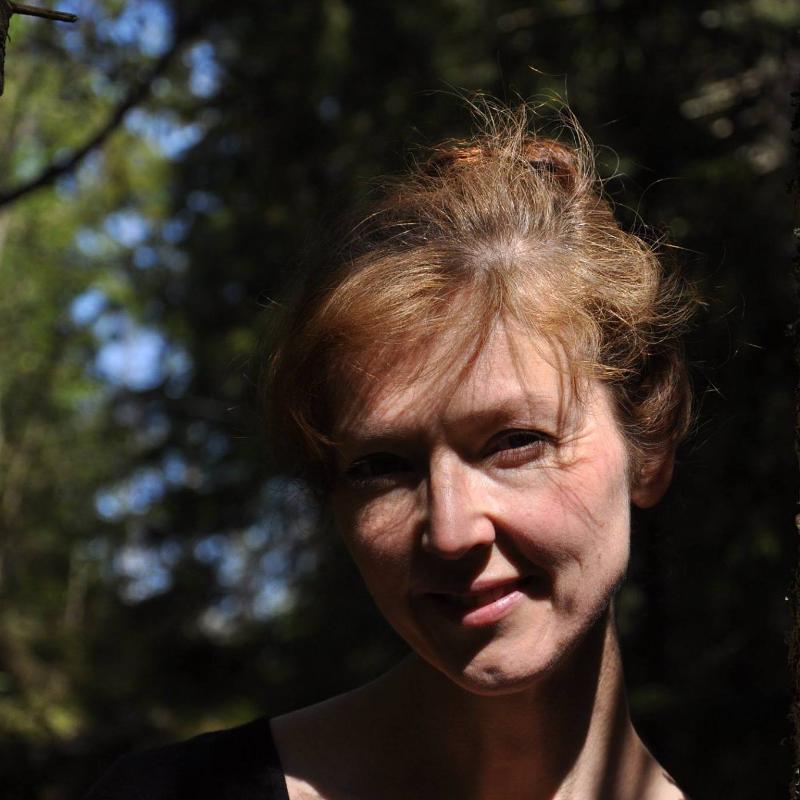
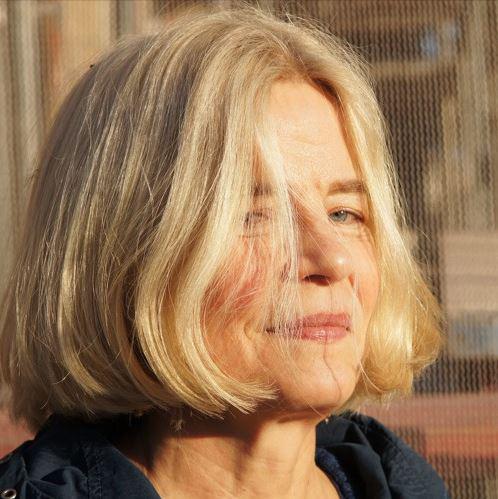
Annea Lockwood’s Spotify BioComposer Annea Lockwood is an avant-garde experimenter who was a pioneer in the fields of sound sculpture and mixed-media composition. Many of her works are based on found natural sounds.
Lockwood was born (as Anna Lockwood) in Christchurch, New Zealand, on July 29, 1939. During her childhood, she was trained as a classical pianist but also spent much time hiking in rural New Zealand, where she developed an interest in the natural sound world. She earned a bachelor's degree in music from the University of Canterbury in New Zealand and then went on to the Royal College of Music in London in 1961, where she studied until 1963 with Peter Racine Fricker. She also took courses at the Darmstadt Ferienkurs für Neue Musik and the Musikhochschule Köln in Germany, and in the Netherlands. Returning to London in 1964, she lived as a freelance composer and performer. Her 1966 work, The Glass Concert, was written for two performers playing a variety of glass sound-makers, including tubing and glass… shards. That work was recorded as early as 1970 on the Nonsequitur label.
In 1973, Lockwood moved to the U.S., began teaching at Hunter College in New York, and began experimenting with performance art and found sounds. She had her own electronics studio there, and she remains one of very few women in the U.S. to have designed her own studio. Her Piano Transplants series, coordinated with the heart transplants being developed in South Africa, submerged, burned, or planted disused pianos in various locations. Lockwood's World Rhythms (1975) mixed sounds of an earthquake, a fire, quasars, a volcano, mud pools, tides, and birds, answered with a gong. Lockwood composed Sound Maps of the Hudson and Danube Rivers, incorporating sounds at various locations along the river involved. In 1982, she joined the faculty at Vassar College, where she remains active as professor emerita in the early 2020s. Lockwood's works have been recorded on more than a dozen albums, mostly on the Lovely Music and Xi Records labels. Her Becoming Air (2018) was developed with trumpeter Nate Wooley and uses extended techniques and electronics to destabilize, in a way, the player's control over his instruments, while Into the Vanishing Point (2019) addressed the global crash in insect populations; those two works appeared in 2021 on an album on the Black Truffle label. ~ James Manheim, Rovi
Viberate is a music analytics platform built for A&Rs, artist managers, labels, booking agents, marketers, and artists.
It helps music professionals track artist growth, analyze audience data, monitor playlist activity, compare artists, follow song performance, and identify opportunities across the music market.
Public artist pages provide a free preview of selected artist data. Paid plans provide access to deeper analytics, historical data, charts, comparisons, playlist tools, exports, alerts, reports, and additional professional features.
Yes. Public Viberate artist pages provide selected artist analytics and music data for free.
Viberate also offers a 7-day free trial of the full platform. A credit card is required to start the trial. The trial includes access to the complete product so users can test deeper artist analytics, historical views, playlist insights, comparisons, charts, exports, alerts, and reporting features before choosing a paid plan.
Viberate provides artist analytics across streaming, playlists, social media, video, radio airplay, songs, and audience markets.
Users can analyze Spotify performance, Spotify and Apple Music playlists, YouTube activity, TikTok and Instagram growth, radio spins, song performance, audience locations, demographics, rankings, and overall artist momentum.
Artist profiles also connect to music charts, similar artists, and comparison tools, helping users benchmark performance and evaluate artists in context.
Viberate updates key artist and track data daily.
For followed artists and tracks, selected data is refreshed multiple times per day. This helps teams monitor playlist changes, streaming movement, audience growth, releases, and campaign performance with more current data.
Update frequency can vary depending on the metric and data source.
Yes. Viberate lets users compare up to five artists side by side across streaming, social media, audience, and engagement metrics.
Users can compare fanbase growth, audience demographics, locations, Spotify performance, social metrics, and other artist data over selected time periods.
Artist comparison can be used for A&R scouting, benchmarking, booking decisions, campaign planning, and evaluating artists with similar audiences or market positions.