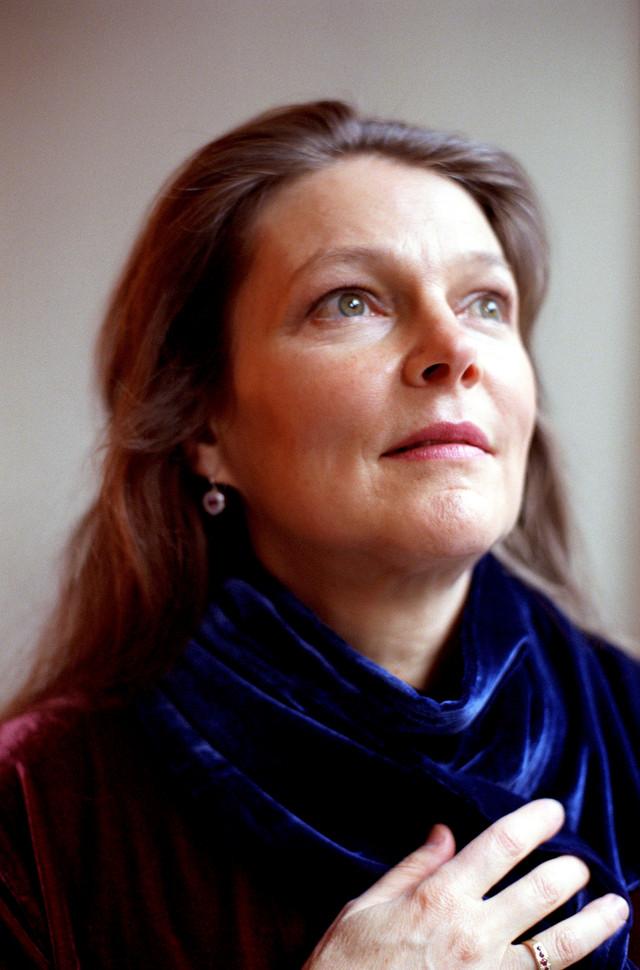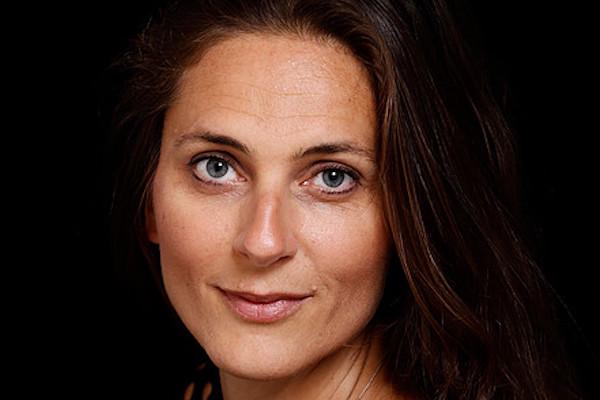
Anna Prohaska

Classical
Opera
 Viberate Rank: 253335
 Viberate Rank: 253335
 Monthly ListenersFollowers
 Subscribers
 Followers
 Followers
 FansTop Spotify SongsTop YouTube VideosMonthly ListenersFeatured in Playlists
| Playlist | Followers | |
|---|---|---|
1 | Gerson Berrio | 51.62K |
2 |  Opera - Best of Deutsche Grammophon (DG) | 17.76K |
3 |  FEMALE OPERA ARIAS Eve Moneypenny | 14.63K |
4 | IL MEGLIO DELLA MUSICA CLASSICA João Alves de Melo Jr. | 13.25K |
5 |  Romantic Classical E. McNeil | 9.47K |
Audience| City | Monthly Listeners | |
|---|---|---|
1 | | 286 |
2 |  | 170 |
3 |  | 170 |
4 |  | 163 |
5 | | 157 |
See full performance history, audience data, playlist activity, rankings, comparisons, and more in Viberate music analytics. Start with a free trial, then continue with a paid plan.
Anna Prohaska’s Spotify BioAnna Prohaska has drawn comparisons with Anna Netrebko and other leading sopranos owing to the beauty, warmth, and power of her voice. Indeed, critics noted the ravishing character of Prohaska's tone, from its secure and potent upper notes to its dark middle register and her seemingly effortless manner of delivery. She sings an extensive range of operatic roles, and her concert and recital repertoire is equally broad. In 2024, Prohaska was heard on a recording of George Benjamin's opera Picture a day like this and was named the Opus Klassik Female Singer of the Year.
Prohaska was born into a musical family in Neu-Ulm, Germany, in 1983. Her great-grandfather, Carl Prohaska, was a respected composer, and her grandfather was conductor Felix Prohaska; her mother and her brother, Daniel, are singers, and her father was an opera director. Raised in Vienna, Anna began piano and ballet lessons at age six. At 11, she and her family moved to Berlin, and she began vocal studies at 14 with… conductor Eberhard Kloke. At the Hochschule für Musik Hanns Eisler, she continued vocal studies with Brenda Mitchell, Norma Sharp, and Wolfram Rieger. Prohaska was busy during her student years on the concert stage, making her first professional appearances at 16 at the North-Rhine Westphalia and Potsdam music festivals. In 2002, she debuted at the Komische Oper Berlin as Flora in Britten's The Turn of The Screw. Prohaska had further training at the Aix-en-Provence Festival's Académie Européenne de Musique in 2003 and later on at the International Handel Academy Karlsruhe.
Prohaska appeared at the Staatsoper Unter den Linden (Berlin State Opera) in 2005 in the premiere of Seven Attempted Escapes from Silence, a contemporary opera fashioned by seven different composers and librettist Jonathan Safran Foer, author of the novel Extremely Loud and Incredibly Close. In 2006, Prohaska sang Frasquita in a Barenboim-led performance of Bizet's Carmen at the Berlin State Opera, and the following year, she became a member of the company. Since 2007, Prohaska has appeared regularly with the Berlin Philharmonic Orchestra. In 2008, Prohaska debuted as the First Wood Nymph at the Salzburg Festival under Franz Welser-Möst in Dvorák's Rusalka. Prohaska gave the 2009 Berlin premiere of Wolfgang Rihm's Mnemosyne with the Berlin Philharmonic under Matthias Pintscher. Prohaska's 2010 live performance in the Berg Lulu Suite with the Simón Bolívar Symphony Orchestra under Abbado was issued on an acclaimed Accentus DVD. Prohaska's other roles have included Poppea in Handel's Agrippina, Blonde in Mozart's The Abduction from the Seraglio, and Anne Truelove in Stravinsky's The Rake's Progress. Her concert and recital repertoire offers works by Dowland, Haydn, Luigi Nono, and many others.
In 2011, Prohaska signed with Deutsche Grammophon and released Sirène, her first recital disc for the label featuring works by Mahler, Debussy, and Dowland, among others. She has also recorded for the Alpha, Accent, and Wergo labels. On Alpha, she has released two albums, both to critical success: Serpent & Fire in 2016 and Paradise Lost in 2020. In 2022, Prohaska was joined by violinist Isabelle Faust for an acclaimed recording of György Kurtág's Kafka-Fragmente. In 2024, Prohaska was featured alongside Marianne Crebassa on a recording of George Benjamin's opera Picture a day like this, conducted by the composer. That year, she was named the Opus Klassik Female Singer of the Year. ~ Robert Cummings & Keith Finke, Rovi
Viberate is a music analytics platform built for A&Rs, artist managers, labels, booking agents, marketers, and artists.
It helps music professionals track artist growth, analyze audience data, monitor playlist activity, compare artists, follow song performance, and identify opportunities across the music market.
Public artist pages provide a free preview of selected artist data. Paid plans provide access to deeper analytics, historical data, charts, comparisons, playlist tools, exports, alerts, reports, and additional professional features.
Yes. Public Viberate artist pages provide selected artist analytics and music data for free.
Viberate also offers a 7-day free trial of the full platform. A credit card is required to start the trial. The trial includes access to the complete product so users can test deeper artist analytics, historical views, playlist insights, comparisons, charts, exports, alerts, and reporting features before choosing a paid plan.
Viberate provides artist analytics across streaming, playlists, social media, video, radio airplay, songs, and audience markets.
Users can analyze Spotify performance, Spotify and Apple Music playlists, YouTube activity, TikTok and Instagram growth, radio spins, song performance, audience locations, demographics, rankings, and overall artist momentum.
Artist profiles also connect to music charts, similar artists, and comparison tools, helping users benchmark performance and evaluate artists in context.
Viberate updates key artist and track data daily.
For followed artists and tracks, selected data is refreshed multiple times per day. This helps teams monitor playlist changes, streaming movement, audience growth, releases, and campaign performance with more current data.
Update frequency can vary depending on the metric and data source.
Yes. Viberate lets users compare up to five artists side by side across streaming, social media, audience, and engagement metrics.
Users can compare fanbase growth, audience demographics, locations, Spotify performance, social metrics, and other artist data over selected time periods.
Artist comparison can be used for A&R scouting, benchmarking, booking decisions, campaign planning, and evaluating artists with similar audiences or market positions.