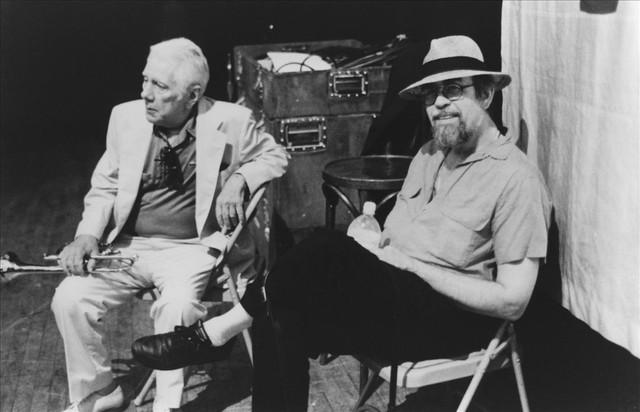
Andy LaVerne

Jazz
Smooth Jazz
 Viberate Rank: 333406
 Viberate Rank: 333406
 Monthly ListenersFollowers
 Subscribers
 Followers
 Followers
 FansTop Spotify Songs
| Track | 7-Day Streams | |
|---|---|---|
1 | 3.61K | |
2 | 92 | |
3 | 54 | |
4 | 32 | |
5 | 26 |
Top YouTube VideosMonthly ListenersFeatured in Playlists| Playlist | Followers | |
|---|---|---|
1 |  Jazzy Dinner Spotify | 417.94K |
2 |  Real Book - Jazz standards/classics Anders Garbom Bjørklund | 13.79K |
3 |  Jazz Cafe indiemusic | 9.18K |
4 | Smooth Jazz Guitar Ivan London | 4.90K |
5 | Jazz guitar helgueta | 4.46K |
Audience| City | Monthly Listeners | |
|---|---|---|
1 |  | 118 |
2 | | 112 |
3 |  | 106 |
4 |  | 105 |
5 | | 100 |
See full performance history, audience data, playlist activity, rankings, comparisons, and more in Viberate music analytics. Start with a free trial, then continue with a paid plan.
Andy LaVerne’s Spotify BioA fine keyboardist who has ranged in styles from Bill Evans to Chick Corea and fusion, Andy LaVerne has managed to avoid predictability throughout his career. He began studying as a classical piano student at Juilliard when he was eight. After discovering jazz, LaVerne had some important lessons from Bill Evans. He toured with Woody Herman's big band (1973-1975), played with John Abercrombie, and Miroslav Vitous, and was with Stan Getz's group during 1977-1980, often playing electric piano. In the 1980s, he performed with the Brubeck-LaVerne Trio (which also featured Chris and Dan Brubeck), recorded a tribute to Chick Corea for DMP, and became a busy jazz educator. In the 1990s, LaVerne has concentrated on acoustic piano, recording a solo concert at Maybeck Recital Hall. Through the years, Andy LaVerne has recorded as a leader for Storyville (1977), Jazzline, SteepleChase, DMP, Triloka, Concord, and some smaller labels. ~ Scott Yanow, Rovi
Viberate is a music analytics platform built for A&Rs, artist managers, labels, booking agents, marketers, and artists.
It helps music professionals track artist growth, analyze audience data, monitor playlist activity, compare artists, follow song performance, and identify opportunities across the music market.
Public artist pages provide a free preview of selected artist data. Paid plans provide access to deeper analytics, historical data, charts, comparisons, playlist tools, exports, alerts, reports, and additional professional features.
Yes. Public Viberate artist pages provide selected artist analytics and music data for free.
Viberate also offers a 7-day free trial of the full platform. A credit card is required to start the trial. The trial includes access to the complete product so users can test deeper artist analytics, historical views, playlist insights, comparisons, charts, exports, alerts, and reporting features before choosing a paid plan.
Viberate provides artist analytics across streaming, playlists, social media, video, radio airplay, songs, and audience markets.
Users can analyze Spotify performance, Spotify and Apple Music playlists, YouTube activity, TikTok and Instagram growth, radio spins, song performance, audience locations, demographics, rankings, and overall artist momentum.
Artist profiles also connect to music charts, similar artists, and comparison tools, helping users benchmark performance and evaluate artists in context.
Viberate updates key artist and track data daily.
For followed artists and tracks, selected data is refreshed multiple times per day. This helps teams monitor playlist changes, streaming movement, audience growth, releases, and campaign performance with more current data.
Update frequency can vary depending on the metric and data source.
Yes. Viberate lets users compare up to five artists side by side across streaming, social media, audience, and engagement metrics.
Users can compare fanbase growth, audience demographics, locations, Spotify performance, social metrics, and other artist data over selected time periods.
Artist comparison can be used for A&R scouting, benchmarking, booking decisions, campaign planning, and evaluating artists with similar audiences or market positions.