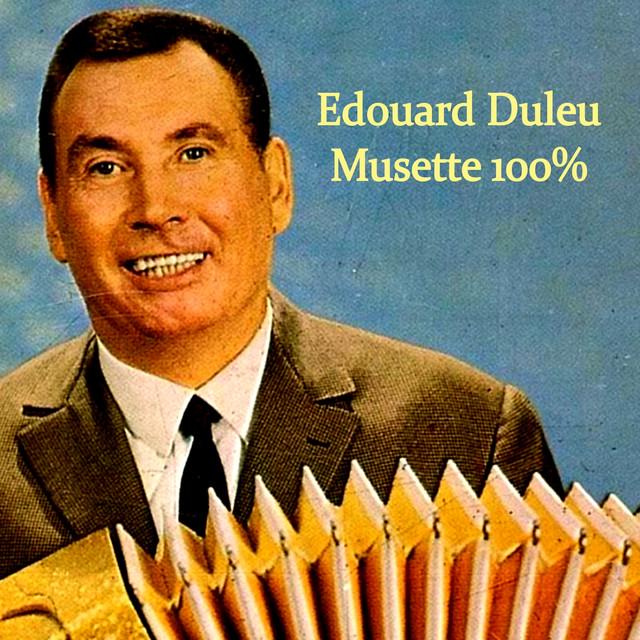
André Verchuren

European
French Folk
Folk
 Viberate Rank: 182194
 Viberate Rank: 182194
 Monthly ListenersFollowers
 Subscribers
 Followers
 Followers
 FansTop Spotify Songs
| Track | 7-Day Streams | |
|---|---|---|
1 | 2.11K | |
2 | 2.05K | |
3 | 1.95K | |
4 | 1.85K | |
5 | 1.65K |
Top YouTube VideosMonthly ListenersFeatured in Playlists| Playlist | Followers | |
|---|---|---|
1 |  גלגלצ - 100 האחרונים lerman01 | 6.76K |
2 | ACCORDEON GUINGUETTE Lulu Lemone | 5.83K |
3 |  LA PLAYLIST des invité·e·s de Quotidien Quotidien | 4.75K |
4 |  FRENCH 🇨🇵 BISTRO DJ GG | 4.06K |
5 | MUSETTE ACCORDEON Jérémie Musicfun | 3.98K |
Audience| City | Monthly Listeners | |
|---|---|---|
1 | | 466 |
2 | | 295 |
3 | | 154 |
4 | | 153 |
5 |  | 119 |
See full performance history, audience data, playlist activity, rankings, comparisons, and more in Viberate music analytics. Start with a free trial, then continue with a paid plan.
André Verchuren’s Spotify BioLe jeune André commence l'accordéon à quatre ans et touche son premier cachet à six ans en animant un bal, accompagné de sa mère à la batterie et dispense des cours dans l'école d'accordéon de son père. En 1936, il reçoit la coupe du monde d'accordéon des mains du roi Léopold III de Belgique en jouant l'ouverture des Saltimbanques debout, contre les codes de l'époque.
Pendant la Seconde Guerre mondiale, André Verchuren entre dans la Résistance en aidant les parachutistes alliés à se cacher. En juin 1944, il est dénoncé, arrêté par la Gestapo, torturé et envoyé au camp de Dachau. Il en ressortira 13 mois plus tard.
À partir de 1950, Verchuren voit sa carrière décoller à la suite de sa participation à l'émission populaire de Radio Luxembourg Swing contre musette.
En 1956, il est le premier accordéoniste à se produire à l'Olympia à Paris pendant trois semaines.
Parallèlement à ses émissions à la radio (17 ans sur RTL, puis 13 ans sur Europe 1), « Verchu » sillonne la France entière, donnant… 150 galas par an et a inventé la formule du « bal-music-hall ».
À La Défense, il joue le plus grand bal de France devant 125 000 spectateurs. Recordman du monde de vente de disques d'accordéon, avec plus de 70 millions d'albums vendus, il a enregistré durant sa carrière 777 albums tous supports confondus.
Il meurt à l'âge de 92 ans, le 10 Juillet 2013.
Son héritage est aujourd'hui géré par le label Hold On Music et les éditions Présence André Verchuren ( matthieu@holdonmusic.fr )
Viberate is a music analytics platform built for A&Rs, artist managers, labels, booking agents, marketers, and artists.
It helps music professionals track artist growth, analyze audience data, monitor playlist activity, compare artists, follow song performance, and identify opportunities across the music market.
Public artist pages provide a free preview of selected artist data. Paid plans provide access to deeper analytics, historical data, charts, comparisons, playlist tools, exports, alerts, reports, and additional professional features.
Yes. Public Viberate artist pages provide selected artist analytics and music data for free.
Viberate also offers a 7-day free trial of the full platform. A credit card is required to start the trial. The trial includes access to the complete product so users can test deeper artist analytics, historical views, playlist insights, comparisons, charts, exports, alerts, and reporting features before choosing a paid plan.
Viberate provides artist analytics across streaming, playlists, social media, video, radio airplay, songs, and audience markets.
Users can analyze Spotify performance, Spotify and Apple Music playlists, YouTube activity, TikTok and Instagram growth, radio spins, song performance, audience locations, demographics, rankings, and overall artist momentum.
Artist profiles also connect to music charts, similar artists, and comparison tools, helping users benchmark performance and evaluate artists in context.
Viberate updates key artist and track data daily.
For followed artists and tracks, selected data is refreshed multiple times per day. This helps teams monitor playlist changes, streaming movement, audience growth, releases, and campaign performance with more current data.
Update frequency can vary depending on the metric and data source.
Yes. Viberate lets users compare up to five artists side by side across streaming, social media, audience, and engagement metrics.
Users can compare fanbase growth, audience demographics, locations, Spotify performance, social metrics, and other artist data over selected time periods.
Artist comparison can be used for A&R scouting, benchmarking, booking decisions, campaign planning, and evaluating artists with similar audiences or market positions.