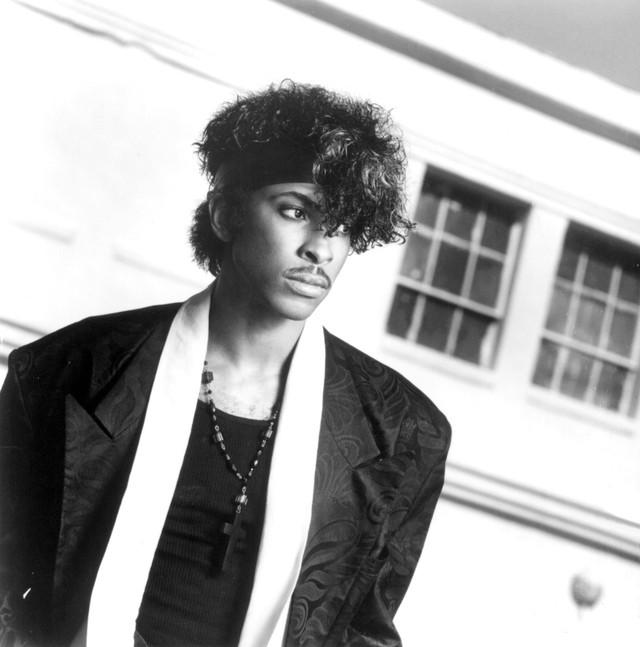
André Cymone

R&B
Funk
Disco house
 Viberate Rank: 149083
 Viberate Rank: 149083
 Monthly ListenersFollowers
 Subscribers
 Followers
 Followers
 FansTop Spotify Songs
| Track | 7-Day Streams | |
|---|---|---|
1 | 1.05K | |
2 | 1.05K | |
3 | 486 | |
4 | 228 | |
5 | 60 |
Top YouTube VideosMonthly ListenersFeatured in Playlists| Playlist | Followers | |
|---|---|---|
1 |  The Greatest Hits Of Prince Serge Wenus | 129.00K |
2 | **80s R&B Hits** Chrismix | 119.20K |
3 | Funky 80's Pascal Amiaud | 37.68K |
4 | Michelle Obama's Musiaqualogy Vol 2. 1980-1997 by Questlove Ahmir Khalib Thompson | 16.57K |
5 |  Funky, Jazzy, Soul Grooves ☀️ by Don's Tunes Don's Tunes | 12.38K |
Audience| City | Monthly Listeners | |
|---|---|---|
1 | | 122 |
2 | | 100 |
3 | | 84 |
4 | | 77 |
5 |  | 68 |
See full performance history, audience data, playlist activity, rankings, comparisons, and more in Viberate music analytics. Start with a free trial, then continue with a paid plan.
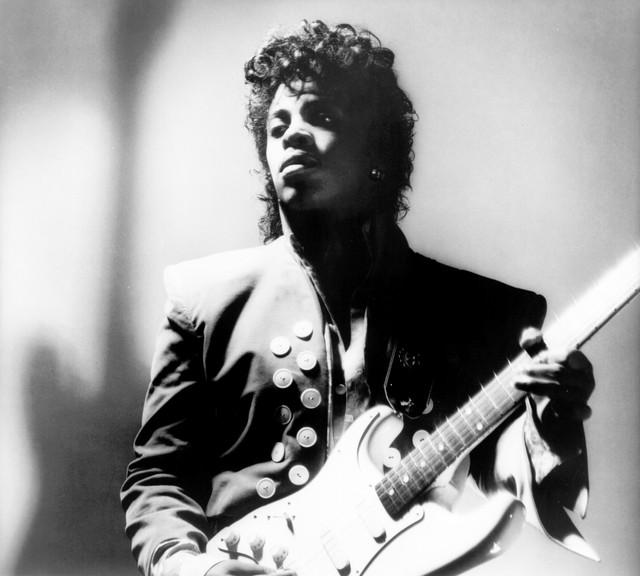
André Cymone’s Spotify BioAndré Cymone, a multi-instrumentalist, songwriter, and producer, is more than a branch in the Prince musical family tree. Born Andre Simon Anderson in Minneapolis, Minnesota, Cymone grew up in a supportive household where fellow aspiring musicians congregated and practiced. One peer was Prince, who even stayed with the family for a time. Cymone and Prince, whose fathers also played together, were in fledgling bands Grand Central and Champagne, until Prince signed a recording contract with Warner Bros. After Prince released his debut, 1978's For You, he had Cymone join his touring band as its bassist. Cymone remained with Prince until 1981, signed with Columbia as a solo artist, and released three albums -- Livin' in the New Wave (1982), Survivin' in the '80s (1983), and A.C. (1985) -- that fused funk, new wave, hard rock, and pop. Six singles from these releases made Billboard's R&B chart. The biggest hit, 1985's "The Dance Electric," was written by Prince and reached number ten.
While… Cymone wrote and produced four songs for Evelyn "Champagne" King's 1983 album Face to Face (including the Top 30 R&B single "Teenager") and was the driving force behind the 1984 Columbia-released album Girl Talk by the Girls, he didn't focus on outside work until after the release of A.C. Cymone worked briefly with Pebbles ("Love/Hate"), James Ingram ("Better Way"), Jermaine Stewart (Say It Again), Phil Thornalley ("Love Me Like a Rock"), Pretty Poison (the Top Ten Hot 100 single "Catch Me I’m Falling"), Adam Ant (Manners & Physique), and Tom Jones (The Lead and How to Swing It). His most lasting success came with Jody Watley, to whom he was married for several years. The two collaborated extensively, from Watley's 1987 full-length solo debut through 1993's Intimacy -- a partnership that yielded the number one R&B singles "Looking for a New Love" and "Real Love," as well as the Top Five hits "Still a Thrill," "Some Kind of Lover," "Friends," and "I Want You." From the mid-'90s onward, Cymone wasn't as visibly active. He worked with independent artists, including fellow Prince associate St. Paul Peterson (Blue Cadillac, 1996), Angel Sessions (Introducing, 1998), and Jody Russell (Just in Time, 1999). Cymone spent several years away from the industry, as a family man, and returned in 2012 with "America" -- an uplifting rocker for which all proceeds went to Barack Obama's re-election campaign. The following year, he released "Trayvon" in response to the fatal shooting of unarmed Black teenager Trayvon Martin, and donated the song's proceeds to the Trayvon Martin Foundation. Cymone's fourth album, the rock-oriented The Stone, followed in 2014. ~ Andy Kellman, Rovi
Viberate is a music analytics platform built for A&Rs, artist managers, labels, booking agents, marketers, and artists.
It helps music professionals track artist growth, analyze audience data, monitor playlist activity, compare artists, follow song performance, and identify opportunities across the music market.
Public artist pages provide a free preview of selected artist data. Paid plans provide access to deeper analytics, historical data, charts, comparisons, playlist tools, exports, alerts, reports, and additional professional features.
Yes. Public Viberate artist pages provide selected artist analytics and music data for free.
Viberate also offers a 7-day free trial of the full platform. A credit card is required to start the trial. The trial includes access to the complete product so users can test deeper artist analytics, historical views, playlist insights, comparisons, charts, exports, alerts, and reporting features before choosing a paid plan.
Viberate provides artist analytics across streaming, playlists, social media, video, radio airplay, songs, and audience markets.
Users can analyze Spotify performance, Spotify and Apple Music playlists, YouTube activity, TikTok and Instagram growth, radio spins, song performance, audience locations, demographics, rankings, and overall artist momentum.
Artist profiles also connect to music charts, similar artists, and comparison tools, helping users benchmark performance and evaluate artists in context.
Viberate updates key artist and track data daily.
For followed artists and tracks, selected data is refreshed multiple times per day. This helps teams monitor playlist changes, streaming movement, audience growth, releases, and campaign performance with more current data.
Update frequency can vary depending on the metric and data source.
Yes. Viberate lets users compare up to five artists side by side across streaming, social media, audience, and engagement metrics.
Users can compare fanbase growth, audience demographics, locations, Spotify performance, social metrics, and other artist data over selected time periods.
Artist comparison can be used for A&R scouting, benchmarking, booking decisions, campaign planning, and evaluating artists with similar audiences or market positions.