André Christovam

Blues
Contemporary Blues
 Viberate Rank: 239204
 Viberate Rank: 239204
 Monthly ListenersFollowers
 Subscribers
 Followers
 Followers
 FansTop Spotify Songs
| Track | 7-Day Streams | |
|---|---|---|
1 | 460 | |
2 | 355 | |
3 | 306 | |
4 | 259 | |
5 | 247 |
Top YouTube VideosMonthly ListenersFeatured in Playlists| Playlist | Followers | |
|---|---|---|
1 |  Slow Guitar Blues Hakon Stefansson | 11.43K |
2 |  A Maior Playlist de Música Brasileira do Mundo Petrobras | 9.01K |
3 | BLUES BRASILEIRO Tulio Lazier | 6.26K |
4 | Só Blues Brasileiro de Primeira Rodrigo Lopes | 3.15K |
5 |  Festival BB Seguros Festival BB Seguros | 2.54K |
Audience| City | Monthly Listeners | |
|---|---|---|
1 | | 691 |
2 | | 353 |
3 | | 204 |
4 | | 183 |
5 | | 171 |
See full performance history, audience data, playlist activity, rankings, comparisons, and more in Viberate music analytics. Start with a free trial, then continue with a paid plan.
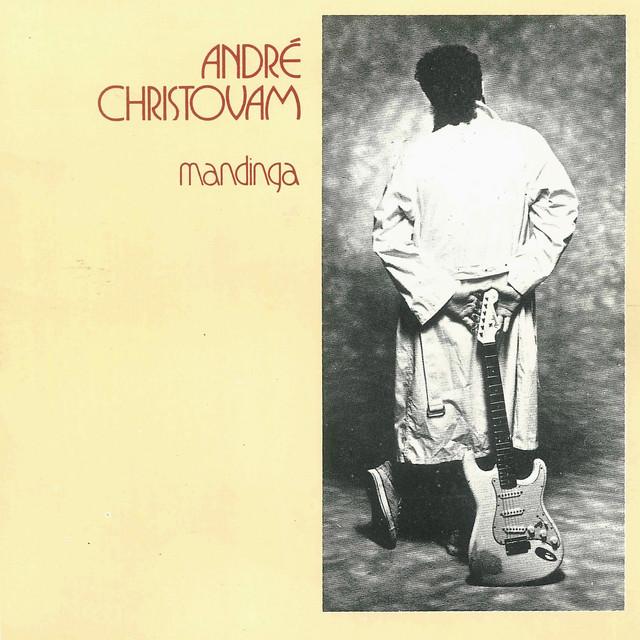
André Christovam’s Spotify BioAndré Christovam is a noted Brazilian bluesman. His first group was Fickle Pikle in the late '70s. As guitarist and composer, he recorded in that period with Kid Vinil e os Heróis do Brasil. Studied in the Guitar Institute of Technology of Los Angeles, played with Rita Lee (participating in Flerte Fatal, 1987), Raul Seixas (Panela do Diabo, 1989), and Marcelo Nova (Blackout, 1991). He became a solo artist in the '80s, recording the first individual album in 1989 (Mandinga, Eldorado). Followed A Touch of Glass (1990) and The 2120 Session (1991), recorded in Chicago with American musicians. In the '90s he formed the André Christovam Trio with drummer Athos Costa and bassist Izal de Oliveira (replaced by Fábio Zaglanin in 1996). The trio recorded the CD Mississippi Saxophone in 1996. In that year, they performed with Carlos Santana in his Brazilian tour. In 1997, they released Catharsis. ~ Alvaro Neder, Rovi
Viberate is a music analytics platform built for A&Rs, artist managers, labels, booking agents, marketers, and artists.
It helps music professionals track artist growth, analyze audience data, monitor playlist activity, compare artists, follow song performance, and identify opportunities across the music market.
Public artist pages provide a free preview of selected artist data. Paid plans provide access to deeper analytics, historical data, charts, comparisons, playlist tools, exports, alerts, reports, and additional professional features.
Yes. Public Viberate artist pages provide selected artist analytics and music data for free.
Viberate also offers a 7-day free trial of the full platform. A credit card is required to start the trial. The trial includes access to the complete product so users can test deeper artist analytics, historical views, playlist insights, comparisons, charts, exports, alerts, and reporting features before choosing a paid plan.
Viberate provides artist analytics across streaming, playlists, social media, video, radio airplay, songs, and audience markets.
Users can analyze Spotify performance, Spotify and Apple Music playlists, YouTube activity, TikTok and Instagram growth, radio spins, song performance, audience locations, demographics, rankings, and overall artist momentum.
Artist profiles also connect to music charts, similar artists, and comparison tools, helping users benchmark performance and evaluate artists in context.
Viberate updates key artist and track data daily.
For followed artists and tracks, selected data is refreshed multiple times per day. This helps teams monitor playlist changes, streaming movement, audience growth, releases, and campaign performance with more current data.
Update frequency can vary depending on the metric and data source.
Yes. Viberate lets users compare up to five artists side by side across streaming, social media, audience, and engagement metrics.
Users can compare fanbase growth, audience demographics, locations, Spotify performance, social metrics, and other artist data over selected time periods.
Artist comparison can be used for A&R scouting, benchmarking, booking decisions, campaign planning, and evaluating artists with similar audiences or market positions.