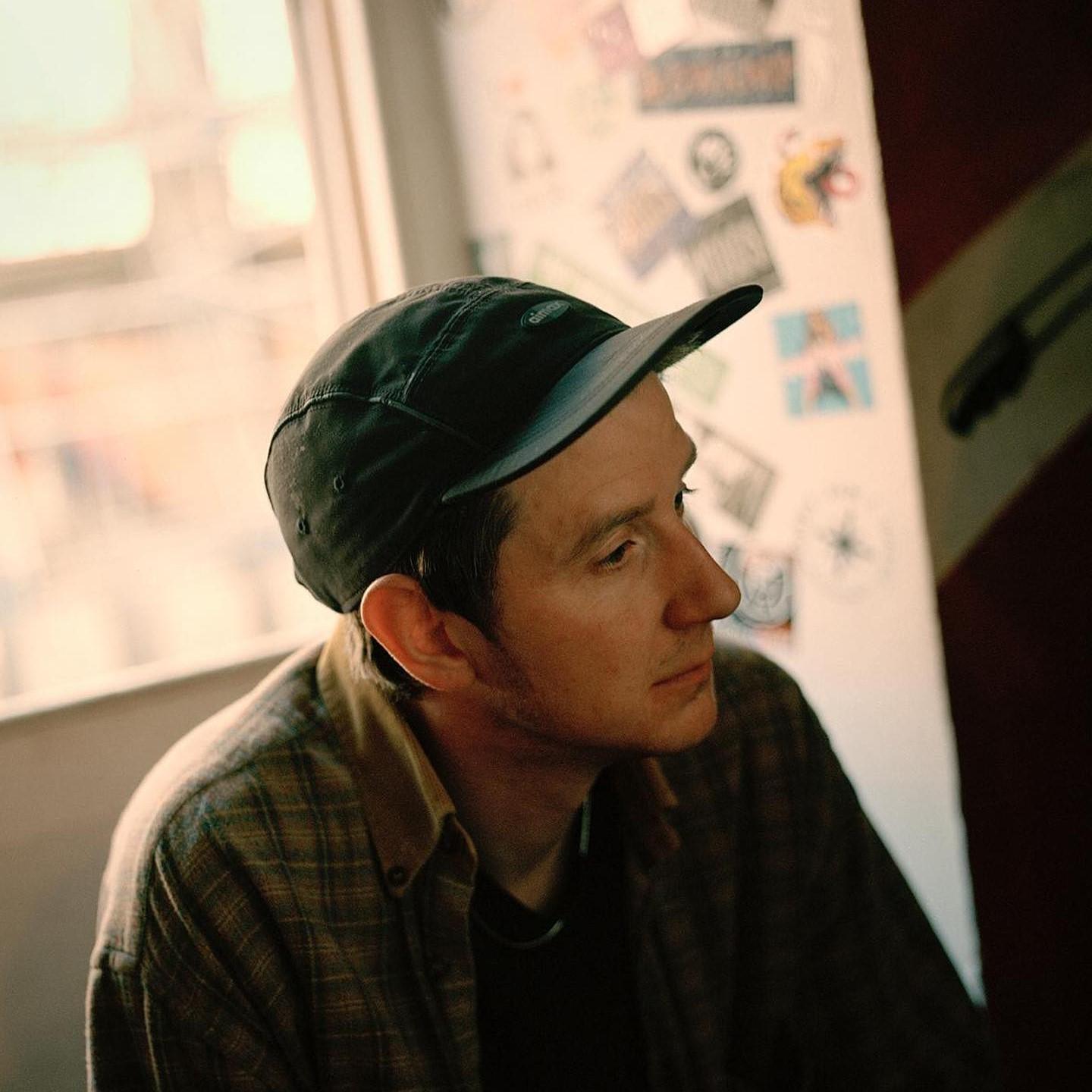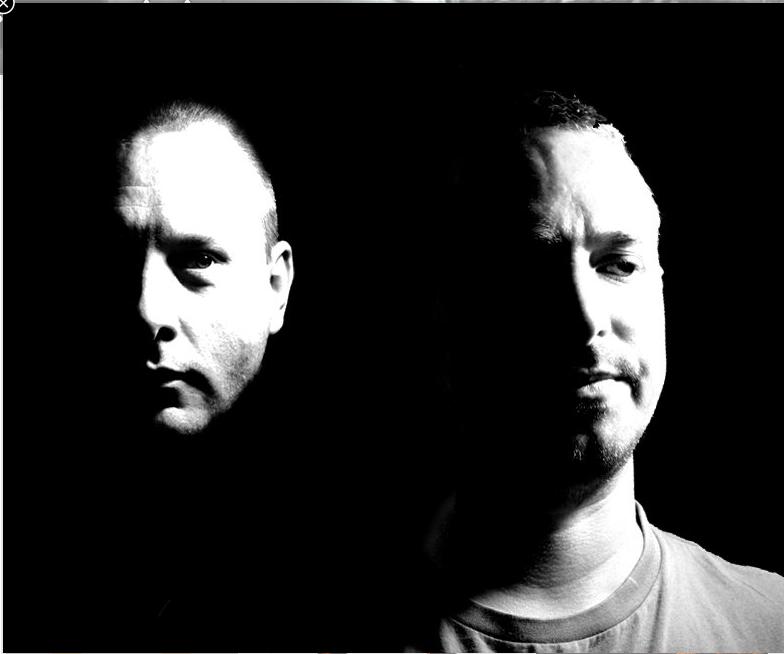
Ancestral Voices

Electronic
Downtempo
Ambient
 Viberate Rank: 332224
 Viberate Rank: 332224
 Monthly ListenersFollowers
 Subscribers
 Followers
 Followers
 FansTop Spotify Songs
| Track | 7-Day Streams | |
|---|---|---|
1 | 71 | |
2 | 49 | |
3 | 39 | |
4 | 33 | |
5 | 30 |
Top YouTube VideosMonthly ListenersFeatured in Playlists| Playlist | Followers | |
|---|---|---|
1 |  YEAR0001: SOUNDS YEAR0001 | 20.97K |
2 | Deep Ambient Techno Štefan Repček | 11.15K |
3 |  Boiler Room Robert Brown | 6.65K |
4 |  futurebeats kyle hovey | 3.81K |
5 |  WRITE TO THIS NOOOOOOWWW Zach Cregger | 2.84K |
Audience| City | Monthly Listeners | |
|---|---|---|
1 | | 41 |
2 |  | 25 |
3 |  | 18 |
4 |  | 13 |
5 |  | 12 |
See full performance history, audience data, playlist activity, rankings, comparisons, and more in Viberate music analytics. Start with a free trial, then continue with a paid plan.
Ancestral Voices’ Spotify BioExperimental electronic project Ancestral Voices was the second solo incarnation of Manchester's Liam Blackburn, formerly best known for his drum'n'bass work as Indigo.
Blackburn began his musical career as Indigo in 2008 with the single "Set to Cycle" on Mindset, which had more of a dubstep sound. Further singles followed over the next few years on Smokin' Sessions, On the Edge, OpenEarz, and Exit, during which time he gravitated toward a drum'n'bass style. After several collaborations with Synkro, the pair teamed up to form the duo Akkord, releasing their eponymous debut album in 2013 on Fabric offshoot Houndstooth. Through his friendship with Samurai Music's Geoff Presha, originally his agent, Indigo issued releases on the Samurai offshoot labels Red Seal and Horo. Always at the more experimental end of the drum'n'bass spectrum, he naturally gravitated toward these outlets, which at that time were pioneering the so-called "autonomic" or "grey area" sound, a stripped-down,… skeletonized version of drum'n'bass which incorporated elements of techno. Eventually growing apart from the drum'n'bass scene and wanting to try something completely different, he abandoned the Indigo moniker and launched the ambient-leaning Ancestral Voices project. His debut album under this new moniker, 2015's Night of Visions, was inspired by his participation in a Shamanic ritual in the Amazon rainforest, and trod a middle ground between the grey-area style and more ambient soundscapes. In 2016 he released two more club-oriented singles on Samurai, "Old Earth Voodoo" and "Yantra." His sophomore album, 2017's Divination, was a sprawling, largely beatless, dark ambient affair. In 2018 he launched his own label, The Fifth Kingdom, with the single "Mycelia." His third album, 2019's Navagraha, had a complex harmonic concept based on ancient Sanskrit notions of the celestial bodies of the solar system. ~ John D. Buchanan, Rovi
Viberate is a music analytics platform built for A&Rs, artist managers, labels, booking agents, marketers, and artists.
It helps music professionals track artist growth, analyze audience data, monitor playlist activity, compare artists, follow song performance, and identify opportunities across the music market.
Public artist pages provide a free preview of selected artist data. Paid plans provide access to deeper analytics, historical data, charts, comparisons, playlist tools, exports, alerts, reports, and additional professional features.
Yes. Public Viberate artist pages provide selected artist analytics and music data for free.
Viberate also offers a 7-day free trial of the full platform. A credit card is required to start the trial. The trial includes access to the complete product so users can test deeper artist analytics, historical views, playlist insights, comparisons, charts, exports, alerts, and reporting features before choosing a paid plan.
Viberate provides artist analytics across streaming, playlists, social media, video, radio airplay, songs, and audience markets.
Users can analyze Spotify performance, Spotify and Apple Music playlists, YouTube activity, TikTok and Instagram growth, radio spins, song performance, audience locations, demographics, rankings, and overall artist momentum.
Artist profiles also connect to music charts, similar artists, and comparison tools, helping users benchmark performance and evaluate artists in context.
Viberate updates key artist and track data daily.
For followed artists and tracks, selected data is refreshed multiple times per day. This helps teams monitor playlist changes, streaming movement, audience growth, releases, and campaign performance with more current data.
Update frequency can vary depending on the metric and data source.
Yes. Viberate lets users compare up to five artists side by side across streaming, social media, audience, and engagement metrics.
Users can compare fanbase growth, audience demographics, locations, Spotify performance, social metrics, and other artist data over selected time periods.
Artist comparison can be used for A&R scouting, benchmarking, booking decisions, campaign planning, and evaluating artists with similar audiences or market positions.