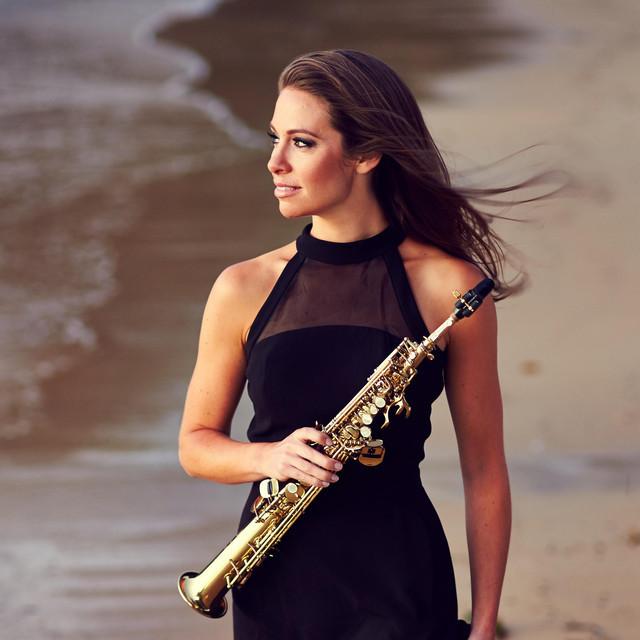
Amy Dickson

Classical
Chamber Music
Classical Crossover
 Viberate Rank: 122214
 Viberate Rank: 122214
 Monthly ListenersFollowers
 Subscribers
 Followers
 Followers
 FansTop Spotify SongsTop YouTube VideosMonthly ListenersFeatured in Playlists
| Playlist | Followers | |
|---|---|---|
1 |  Chilled Classical Spotify | 888.62K |
2 |  Classical Reading Spotify | 634.31K |
3 |  Morning Classical Spotify | 460.14K |
4 |  Soft Instrumental Spotify | 267.46K |
5 |  Classical Study Music for Focus 🎻🎶 Prime Feelings | 191.75K |
Audience| City | Monthly Listeners | |
|---|---|---|
1 | | 1.77K |
2 |  | 1.28K |
3 |  | 1.11K |
4 |  | 1.10K |
5 | | 954 |
See full performance history, audience data, playlist activity, rankings, comparisons, and more in Viberate music analytics. Start with a free trial, then continue with a paid plan.
Amy Dickson’s Spotify BioNamed the UK’s Young Australian of the Year 2016 and Grammy™ nominated twice, British-Australian Sony Artist, Amy Dickson, made history by becoming the first saxophonist to win a Classic Brit Award and the first ever Australian to win the Mastercard Breakthrough Artist of the Year award. This followed the release of her third album, Dusk and Dawn, which attained the coveted No. 1 position in the UK Classical Album Charts. She has since been named by BBC Music Magazine as one of the world’s six best classical saxophonists both past and present.
Amy made her concerto debut at 16, and on her 18th birthday made her first recording as soloist with the Sydney Symphony Orchestra. She was recipient of the James Fairfax Australian Young Artist of the Year award, and has won a string of major competitions including the Gold Medal at the Royal Overseas League Competition, the Symphony Australia Young Performer of the Year Competition and the Prince’s Prize.
In 2017 she launched her programme… called “Take a Breath”. The programme helps equip young children in their formative years with simple yet invaluable techniques to encourage them how to breathe properly.
At the beginning of 2018, Amy premiered the new saxophone concerto by Sir James MacMillan with the Scottish Chamber Orchestra and Joseph Swensen. She will be premiering the concerto world-wide, recording it with the Adelaide Symphony Orchestra and touring the work in the UK with Aurora Orchestra in 2019.
Viberate is a music analytics platform built for A&Rs, artist managers, labels, booking agents, marketers, and artists.
It helps music professionals track artist growth, analyze audience data, monitor playlist activity, compare artists, follow song performance, and identify opportunities across the music market.
Public artist pages provide a free preview of selected artist data. Paid plans provide access to deeper analytics, historical data, charts, comparisons, playlist tools, exports, alerts, reports, and additional professional features.
Yes. Public Viberate artist pages provide selected artist analytics and music data for free.
Viberate also offers a 7-day free trial of the full platform. A credit card is required to start the trial. The trial includes access to the complete product so users can test deeper artist analytics, historical views, playlist insights, comparisons, charts, exports, alerts, and reporting features before choosing a paid plan.
Viberate provides artist analytics across streaming, playlists, social media, video, radio airplay, songs, and audience markets.
Users can analyze Spotify performance, Spotify and Apple Music playlists, YouTube activity, TikTok and Instagram growth, radio spins, song performance, audience locations, demographics, rankings, and overall artist momentum.
Artist profiles also connect to music charts, similar artists, and comparison tools, helping users benchmark performance and evaluate artists in context.
Viberate updates key artist and track data daily.
For followed artists and tracks, selected data is refreshed multiple times per day. This helps teams monitor playlist changes, streaming movement, audience growth, releases, and campaign performance with more current data.
Update frequency can vary depending on the metric and data source.
Yes. Viberate lets users compare up to five artists side by side across streaming, social media, audience, and engagement metrics.
Users can compare fanbase growth, audience demographics, locations, Spotify performance, social metrics, and other artist data over selected time periods.
Artist comparison can be used for A&R scouting, benchmarking, booking decisions, campaign planning, and evaluating artists with similar audiences or market positions.